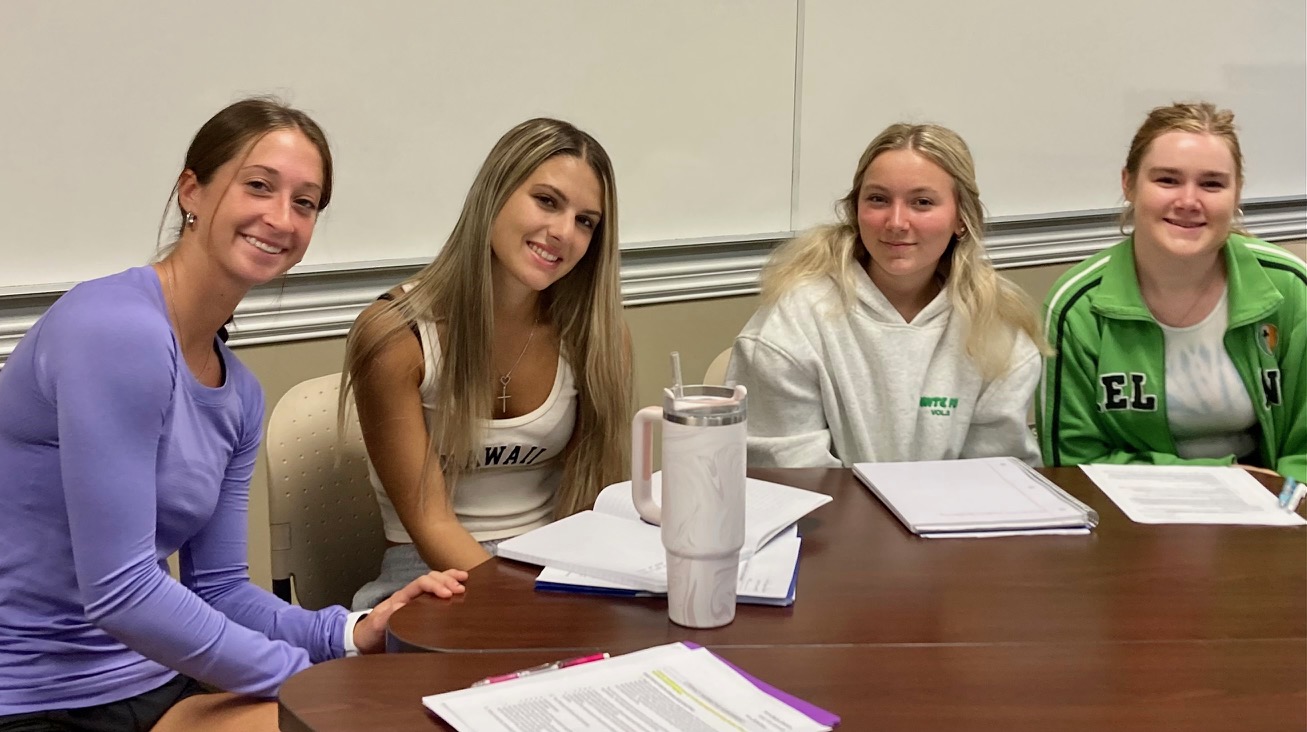
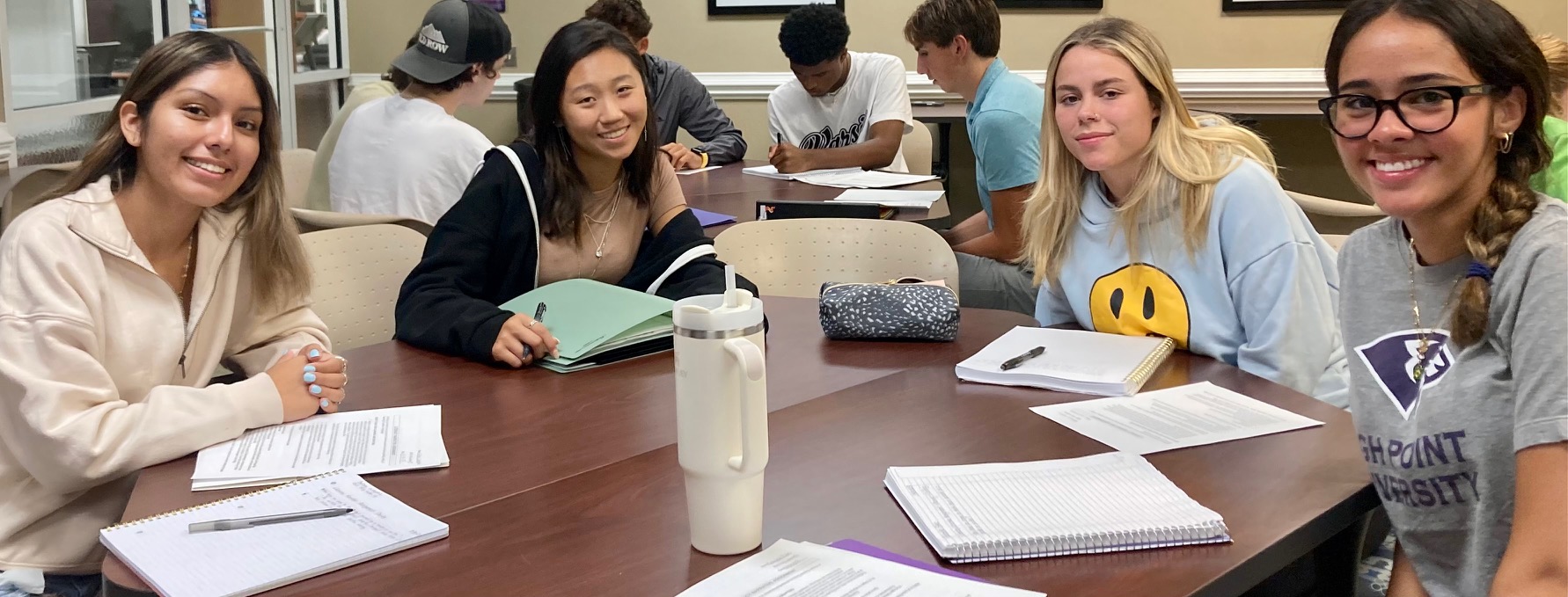
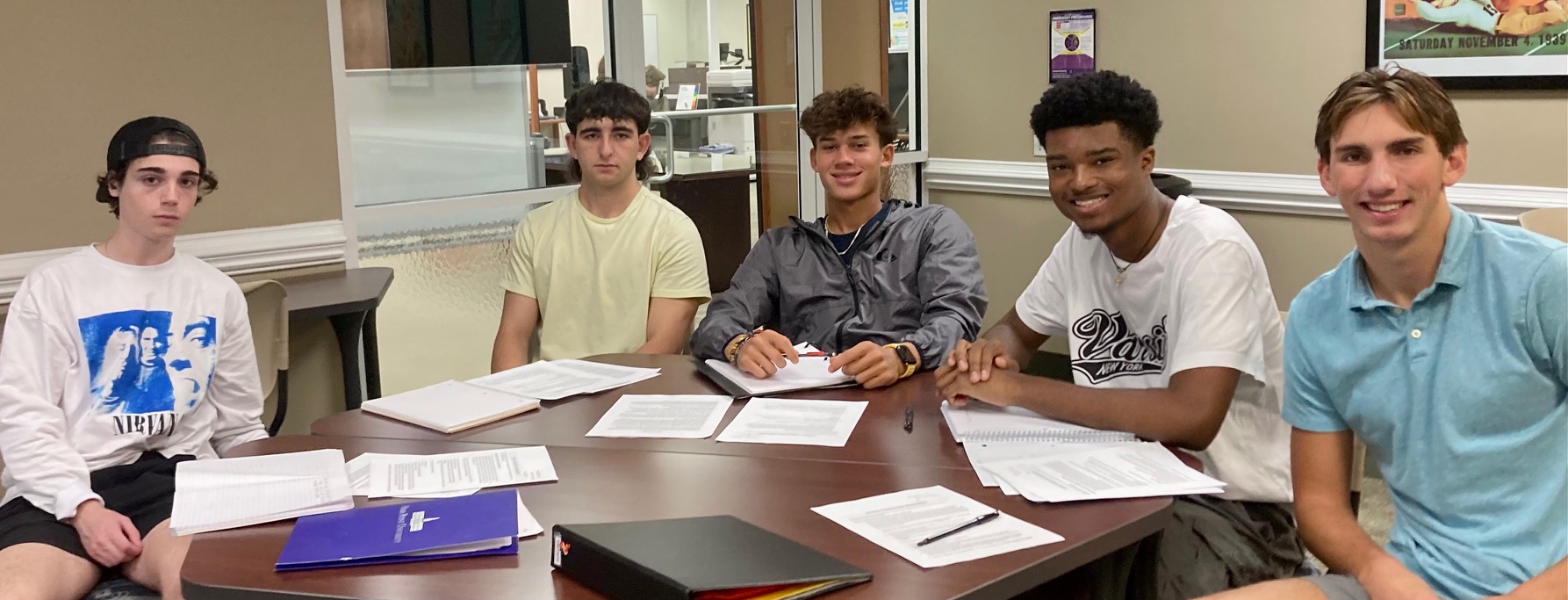
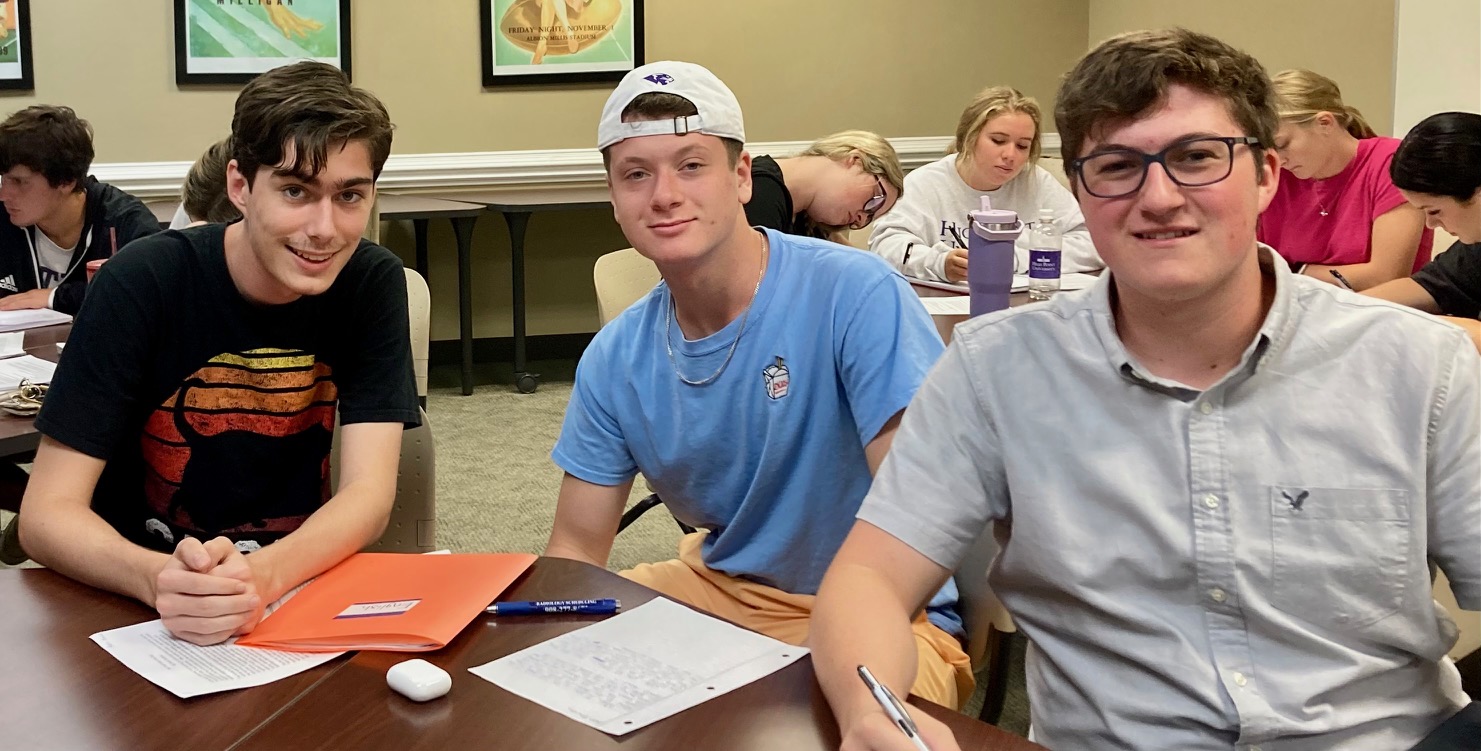
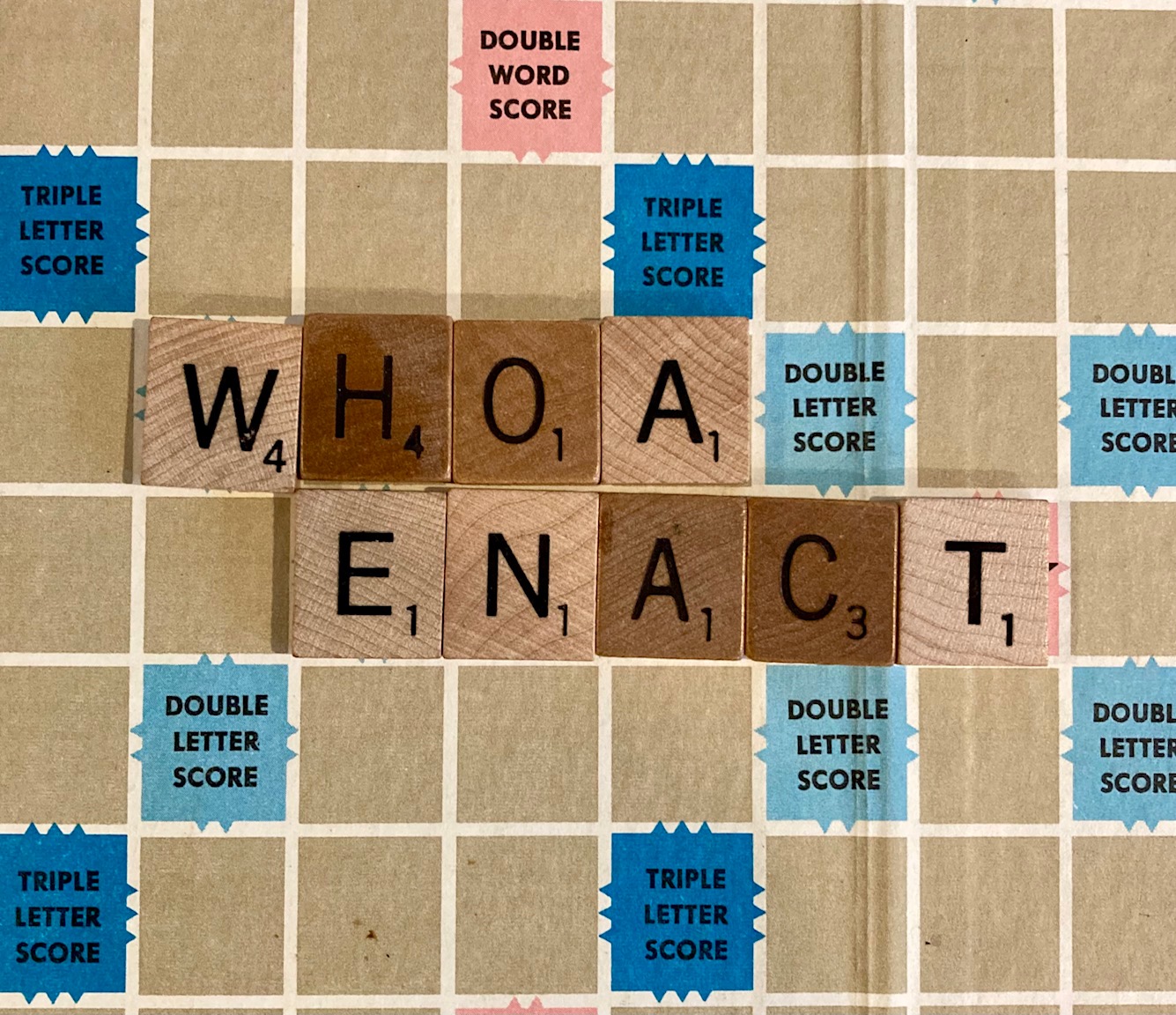
To help us put names with faces, I have included in this post pictures of all of you in sections 19 and 20 with picture captions that list your names. I encourage you to review this page frequently. In between the pictures, I have included lists of first names that are also common nouns, making them playable in Scrabble.
- Al: a type of East Indian tree
- Alan: a breed of hunting dog (also aland, alant)
- Alec: a herring
- Ana: a collection of miscellany about a specific topic
- Anna: a former Indian coin
- Barbie: a barbecue
- Belle: a pretty woman
- Ben: an inner room
- Benny: an amphetamine pill
- Bertha: a style of wide collar
- Beth: a Hebrew letter
- Biff: to hit
- Bill: to charge for goods
- Billy: a short club
- Bo: a friend
- Bobby: a policeman
- Bonnie: pretty (also bonny)
- Brad: a small nail or tack
- Brock: a badger
- Carl: a peasant or manual laborer (also carle)
- Carol: to sing merrily
- Celeste: a percussive keyboard instrument (also celesta)
- Chad: a scrap of paper
- Charlie: a fool
- Chevy: to chase (also chivy)
- Christie: a type of turn in skiing (also christy)
- Clarence: and enclosed carriage
- Dagwood: a large, stuffed sandwich
- Daphne: a flowering shrub with poisonous berries
- Davy: a safety lamp
- Deb: a debutante
- Devon: a breed of cattle
- Dexter: located to the right
- Dom: a title given to some monks
- Don: to put on a piece of clothing
- Donna: an Italian wo woman of repute
- Erica: a shrub of the heath family
- Fay: to join together closely
- Florence: a former European gold coin
- Franklin: a nonnoble medieval English landowner
- Fritz: a nonworking or semi-functioning state
- Gilbert: a unit of magneto-motive force
- Gilly: to transport on a type of train car
- Graham: whole-wheat flour
- Hank: to secure a sail
- Henry: a unit of electric inductance
- Herby: full of herbs
- Jack: to hoist with a type of lever
- Jacky: a sailor
- Jake: okay, satisfactory
- Jane: a girl or woman
- Jay: any of various birds, known for their crests and shrill calls
- Jean: denim
- Jenny: a female donkey
- Jerry: a German soldier
- Jess: to fasten a strap around the leg of a bird in falconry (also Jesse)

- Jill: a unit of measure equal to to 1/4 of a pint
- Jimmy: to pry open
- Joannes: a Portugese coin (also johannes)
- Joe: a fellow
- Joey: a young kangaroo
- John: a toilet
- Johnny: a hospital gown
- Jones: a strong desire
- Josh: to tease
- Kelly: a bright shade of green
- Kelvin: a unit of absolute temperature
- Ken: to know
- Kent: past tense of ken
- Kerry: a breed of cattle
- Kris: a curved dagger
- Lars: plural of lar: a type of ancient Roman guardian deity (also lares)
- Lassie: a lass
- Laura: an aggregation of hermitages used by monks
- Laurel: to crown one’s head with a wreath
- Lee: to shelter from the wind
- Louie: a lieutenant
- Louis: a former gold coin of France worth twenty francs

- Marcel: to make waves in the hair using a special iron
- Marge: a margin
- Mark: a line, figure, or symbol
- Martin: any type of the bird also known as a swallow
- Marvy: marvelous
- Matilda (a hobo’s bundle (chiefly Australian)
- Matt: to put a dull finish on (also matte)
- Maxwell: a unit of magnetic flux
- Mel: honey
- Merle: a blackbird
- Mickey: a drugged drink
- Mike: a microphone (also mic)
- Milt: to fertilize with fish sperm
- Minny: a minnow
- Mo: a moment
- Molly: a type of tropical fish
- Morgan: a unit of frequency in genetics
- Morris: a type of folk dance from England
- Morse: describing a type of code made of long and short signals
- Mort: a note sounded in hunting to announce the death of prey

- Nelson: a type of wrestling hold
- Newton: the unit of force required to accelerate one kilogram of mass on meter per second
- Nick: to make a shallow cut
- Norm: a standard
- Pam: the name of the jack of clubs in some card games
- Parker: one who parks a motorized vehicle
- Peter: to lessen gradually
- Pia: a fine membrane of the brain and spinal cord
- Randy: sexually excited
- Regina: a queen
- Rex: a king
- Rick: to stack, hay, corn, or straw
- Roger: the pirate flag

- Sal: salt
- Sally: to make a brief trip or a sudden start
- Sawyer: one who saws wood
- Shawn: past tense of show
- Sheila: a girl or young woman
- Sol: the fifth note on a diatonic scale (also so)
- Sonny: a boy or young man
- Sophy: a former Persian ruler
- Spencer: a type of sail
- Tad: a young boy
- Tammie: a fabric used in linings (also tammy)
- Ted: to spread for drying
- Teddy: a woman’s one-piece undergarment
- Terry: a soft, absorbent type of cloth
- Tiffany: a thin, mesh fabric
- Timothy: a Eurasian grass used for grazing
- Toby: a drinking mug in the shape of a man or a man’s face
- Tod: a British unit of weight for wool equal to twenty-eight pounds
- Tom: the male of various animals
- Tommy: a loaf or chunk of bread
- Tony: very stylish
- Vera: very
- Victoria: a light, four-wheeled carriage
- Warren: an area where rabbits live, or a crowded maze-like place
- Webster: one who weaves
- Will: to choose, decree, or induce to happen
- Willy: to clean fibers with a certain machine

Bonus Point Opportunity!
Students who correctly respond to the playable first names and last names question below will earn five bonus points for his/her/their second Check, Please! assignment.
How many students in English 1103.19 and 20 have a first and/or last name that is a playable Scrabble word?

Directions for Finding and Submitting Your Answer
- Review the list of playable first names, compare it with the students’ first and last names in the photo captions above, or on the class page, and determine which of the students’ first and last names are playable in Scrabble.
- Compose a response of one or more complete sentences that includes (1) the number of students with playable names, and (2) the first and last name of each student with a playable name.
- Post your comment as a reply to this blog post by 4 p.m. on Thursday, August 31.
- To post your comment, click the title of the post, “What’s in a Name. . . . ,” then scroll down to the bottom of the post. There you will see the image of an airmail envelope with a white rectangular box for your comment. Type your comment in the box and hit return. Voila! You have submitted your answer. Good luck! I will make the comments visible before class on Friday, September 1.
Next Up
Friday marks the second Wordplay Day of the semester. To prepare for class, review the Dictionary and World Builder pages on the Scrabble website. Also review the posts on my blog–including this post–devoted to Scrabble tips.




 Jane Lucas