
This morning in class you will plan and compose a midterm reflective essay that documents your work in the first half of the semester, focusing on two or three assignments or aspects of the course that have contributed to your development as a writer and a student. Since you have already written a reflection devoted solely to your literacy narrative, your midterm reflection should focus primarily on other assignments or aspects of the course, including the following:
- Keeping a journal
- Completing Check, Please! assignments
- Studying one of the readings examined class, including “Letter from Birmingham Jail,” “Me Talk Pretty One Day,” “The Day that Language Came into My Life,” “The Power of the Pun,” “Back Story” (from The Blind Side), “The Falling Man,” “The School,” or the sample literacy narrative (“A Bridge to Words”)
- Reading and editing samples of student writing
- Writing for an online audience beyond the classroom/creating and maintaining a WordPress blog
- Collaborating with your classmates on in-class writing assignments
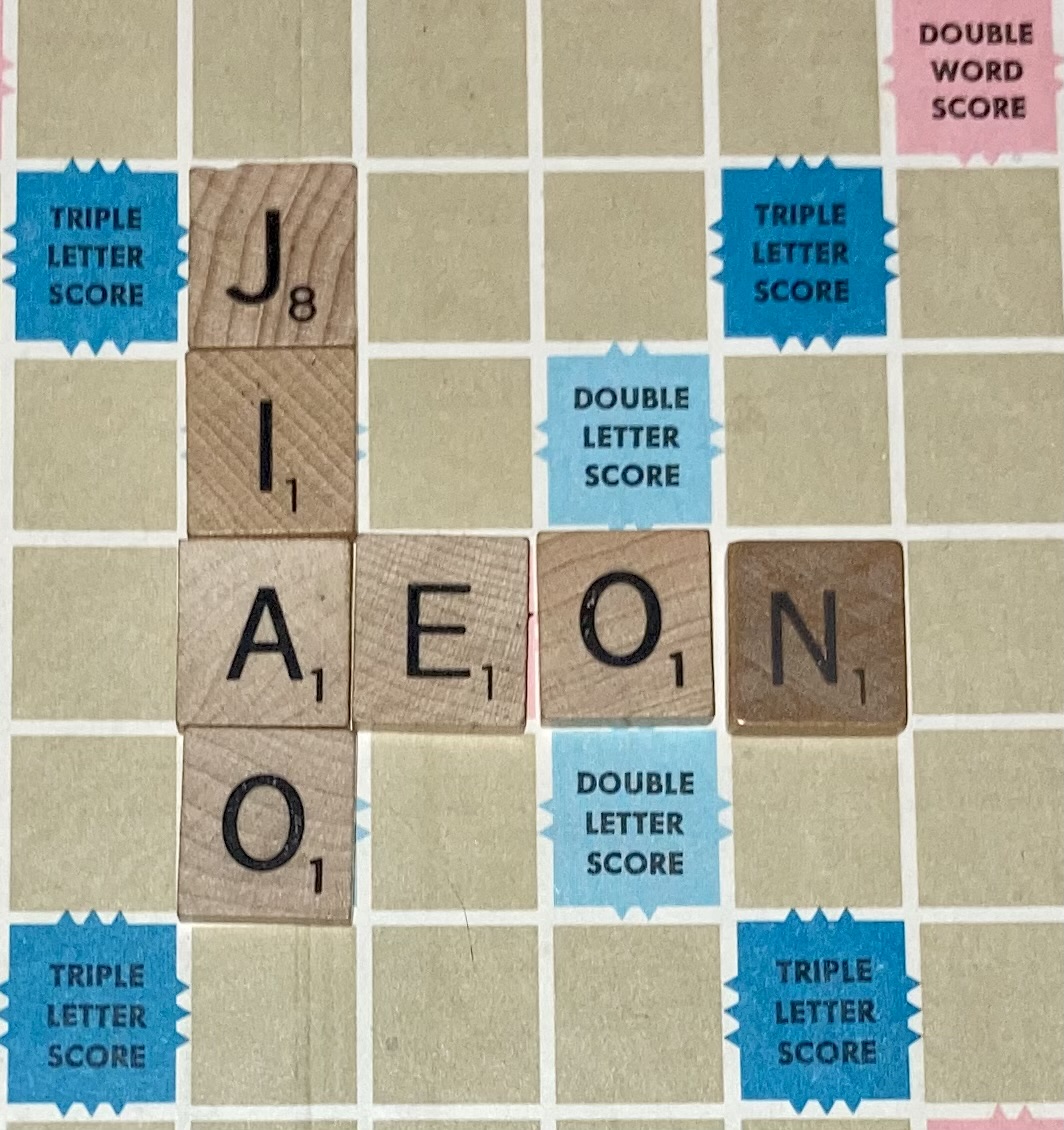
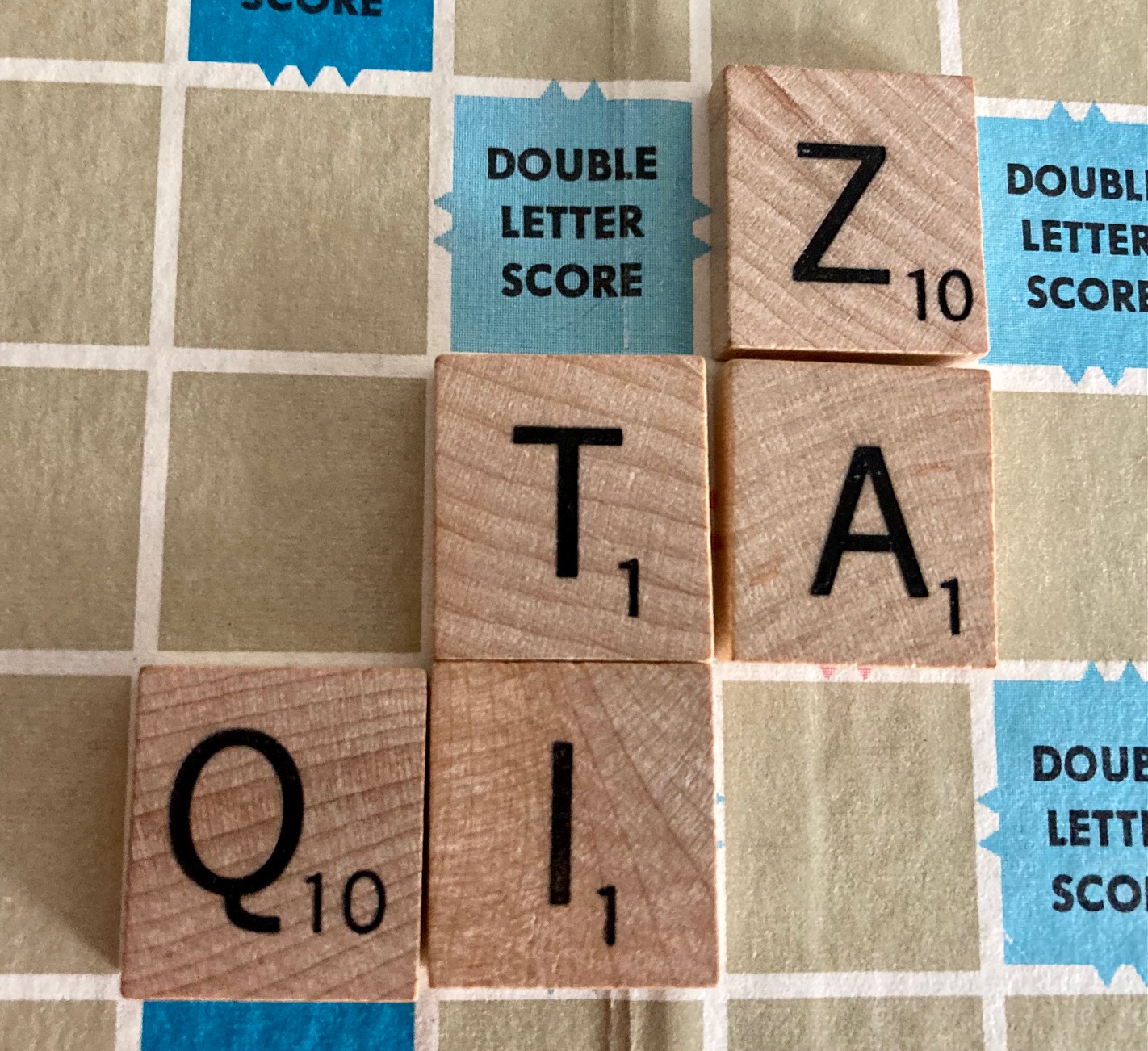
- Playing Scrabble/Collaborating with your teammates on Wordplay Day
- Writing longhand
- Limiting screen time
Include in your reflective essay the following elements:
- A title that offers a window into your reflection
- An opening paragraph that introduces your focus and presents your thesis
- Body paragraphs that offer concrete details from your work to support your thesis.
- A conclusion that revisits the thesis without restating it verbatim
Optional: A quotation from one the readings, introduced with a signal phrase and followed by a parenthetical citation. See the citation handout for models.
Sample MLA Works Cited Entries
Bartheleme, Donald. “The School.” The Best American Short Stories 1975, edited by Martha Foley, Houghton Mifflin, 1975. pp.8-11.
Clark, Roy Peter. “The Power of Pun, from Shakespeare to Cronkite to Roy Peter Clark.” The Neiman Storyboard, 23 Apr. 20204. https://niemanstoryboard.org/stories/writing-language-linquistics-puns-walter-cronkite/.
Junod, Tom. “The Falling Man.” Esquire, vol. 140, no. 3, Sept. 2003, pp. 176+. Gale Academic OneFile Select, https://link.gale.com/apps/doc/A106423422/EAIM?u=hpu_main&sid=bookmark-EAIM&xid=ce48797f.
Keller, Helen. “The Day Language Came into My Life.” Chapter Four. The Story of My Life. https://digital.library.upenn.edu/women/keller/life/life.html.
Lewis, Michael. Chapter One: “Back Story.” The Blind Side. 2006. Norton, 2009. pp.15-16.
Lucas, Jane. “A Bridge to Words.” Jane Lucas, 9 Sept. 2024, https://janelucas.com/2024/09/09/eng-1103-model-literacy-narrative-a-bridge-to-words-2/.
Sedaris, David. “Me Talk Pretty One Day.” Me Talk Pretty One Day. Little, Brown, 2000. 166-73.
Grade Criteria
GRADE CRITERIA
An A midterm reflection complies with all assignment guidelines, demonstrates a depth of understanding by using relevant and accurate detail, and is also well organized and relatively free of surface errors.
A B midterm reflection complies with all assignment guidelines and presents an adequate reflection that is well organized and relatively free of surface errors.
A C midterm reflection complies with most but not all assignment guidelines and may also be flawed by issues of organization and/or surface errors.
A D midterm reflection complies with only a few of the assignment guidelines and may also be flawed by issues of organization and/or surface errors.
An F midterm reflection fails to comply with most or all assignment guidelines and may also be flawed by substantial issues of organization and/or surface errors.
Next Up
On Wednesday, I will return the drafts of your analyses with my notes, and you will have the class period to devote to your revisions. The due date for your final revision is Wednesday, October 16 (before class). The hard deadline is Friday, October 18 (before class).




 Jane Lucas