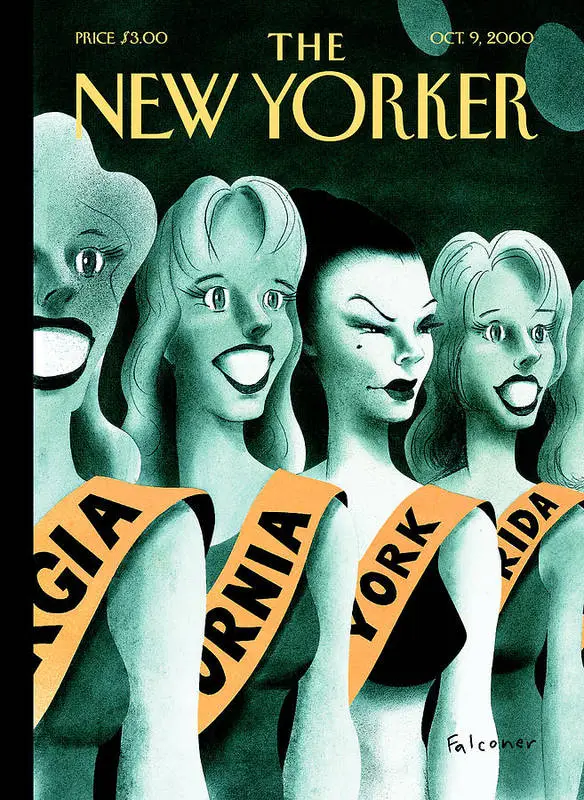
Yesterday in class, after you examined Ian Falconer’s New Yorker cover The Competition and Tetsuya Ishida’s painting Seedlings, you and two or three of your classmates chose one of those two visual texts as the subject of a writing exercise–a paragraph of summary and a second paragraph of commentary–as practice for your ongoing annotation work. My versions of the assignment, which I wrote as samples for you, appear below.
Seedlings Summary
Tetsuya Ishida’s Seedlings depicts a classroom of uniformed Japanese teenagers, all males, whose teacher, seen only from the shoulders down, holds a textbook in one hand. The teacher drapes his other hand on the head of one of the pupils, one of two students presented as microscopes with human faces.
Seedlings Commentary
Although the subject at hand is biology, the study of living organisms, the student seedlings barely seem alive themselves as they stare blankly into the distance. The uniformity Ishida depicts with their haircuts, crested blazers, striped neck ties, and rows of desks, takes a surrealistic twist with the images of the two pupils who have transformed into microscopes. By placing the teacher’s hand on one of the students-turned-microscope, Ishida indicates that the instructor—himself objectified by the absence of his head—approves of the metamorphosis, that for him, the goal of education is for the individual to be consumed by the subject itself, becoming merely a cold metallic instrument.
. . . and The Competition
Falconer, Ian. “The Competition.” Writing Analytically, by David Rosenwasser and Jill Stephen, 9th edition, Wadsorth/Cengage, 2024. p. 108.
The Competition Summary
Ian Falconer’s mostly black-and-white New Yorker cover The Competition depicts four beauty pageant contestants, three of whom stand in stark contrast to Miss New York. Her dark hair, angular body, narrowed eyes, tightly pursed lips, and two-piece bathing suit set her apart from the nearly-identical blondes–Miss Georgia, Miss California, and Miss Florida–with wide-open eyes and mouths and one-piece bathing suits.
The Competition Commentary
Miss New York’s smugness suggests that her rejection of the stereotypical trappings of beauty pageants not only sets her apart from the other contestants but also mocks them. The unknown outcome of the pageant calls into question the efficacy of Miss New York’s decision to run rogue. She aspires to represent the United States, but the individualism that the nation embraces in theory is not always seen in practice, as evidenced by the Barbie-like blondes who share the stage. Thus, Falconer’s intent remains ambiguous. Will the announcement of the winner demonstrate pride coming before a fall, or will Miss New York’s individualism triumph?
Note that the titles The Competition and Seedlings are italicized because the names of artworks are italicized in MLA style. In the citation for The Competition, which serves as the caption (see the magazine cover above), the title is italicized because it is presented there as a text reprinted in the book-length work Writing Analytically. The title Seedlings is enclosed in quotations in the blog post title because words cannot be italicized in WordPress blog post titles.
Next Up
Wednesday’s class will be devoted to additional research and writing for your final essay and annotated bibliography. In class, you will receive a handout that outlines your options, including, but not limited to, locating additional sources and revising annotations.
Falconer, Ian. “The Competition.” Writing Analytically by David Rosenwasser and Jill Stephen, 9th edition, Wadsorth/Cengage, 2024. p. 108.
Today in class, we will examine Ian Falconer’s New Yorker magazine cover The Competition and a second visual text: Tetsuya Ishida’s painting Seedlings. Following our in-class study of Falconer’s and Ishida’s artwork, you will choose one of the two visual texts to serve as the subject of a writing exercise–a paragraph of summary and a second paragraph of commentary–as practice in your ongoing annotation work.
Examining Ian Falconer’s magazine cover and a second visual text, which you will receive a copy of in class, offers you both a break from long written articles and additional practice in summarizing and analyzing.
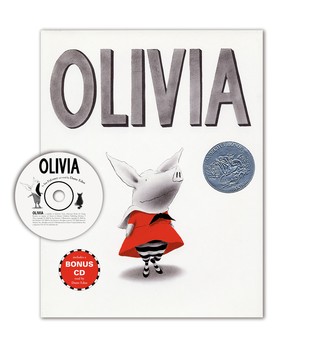
If the style of Ian Falconer’s New Yorker cover seems familiar to you, it may be because you encountered his work when you were a child. His book Olivia, published in 2000, received the 2001 Caldecott Medal, an award the Association for Library Service to Children bestows upon the book they deem the best children’s picture book of the year. Falconer followed Olivia with several sequels, including Olivia Saves the Circus and Olivia Helps with Christmas.
The citation generator on the HPU Libraries site offers only the publication information for “The Ethics of Laughter” because a searcher viewing it there has not accessed a copy of the article through a database. Only on the JSTOR page will the citation generator offer the complete bibliographic information required for the article accessed through JSTOR.
Though the citation generated on the JSTOR page offers the complete bibliographic information, it still requires editing. The authors’ names should not be in all caps, and the entry lacks a hanging indent.
For examples, see the bibliographic entries for sources accessed from databases in my sample bibliography and the model entry on the MLA Style Center site.
Next Up
At the beginning of class on Wednesday, we will revisit The Competition and Seedlings, and you will have the remainder of the period to devote to your ongoing research and writing. In class, you will receive a handout that outlines your options, including, but not limited to, locating additional sources and revising annotations.
Bonus Assignment
Ian Falconer’s The Competition–and more than thirty other covers drawn by him–were featured on the front of The New Yorker, a magazine where two pieces of writing you’ve studied this semester were first published. Which two are they? If you have taken notes on all your readings, well, your response should be swift.
Directions
Determine which two previous class readings originally appeared in the pages of The New Yorker.
Compose a comment of one complete sentence or more that names the authors of both texts and presents the titles in quotation marks.
Post your comment as a reply to this blog entry no later than 5 p.m. tomorrow, Tuesday, March 31. (To post your comment, click on the post’s title, and scroll down to the bottom of the page. You will then see the image of an airmail envelope with a leave comment option.)
I will approve your comments (make them visible) after tomorrow’s deadline.
Today in class, you will explore the HPU Libraries website to locate, read, and annotate additional sources for your final essay and annotated bibliography. The work that you submit at the end of class today should include at a minimum one partial MLA-style annotated bibliographic entry.
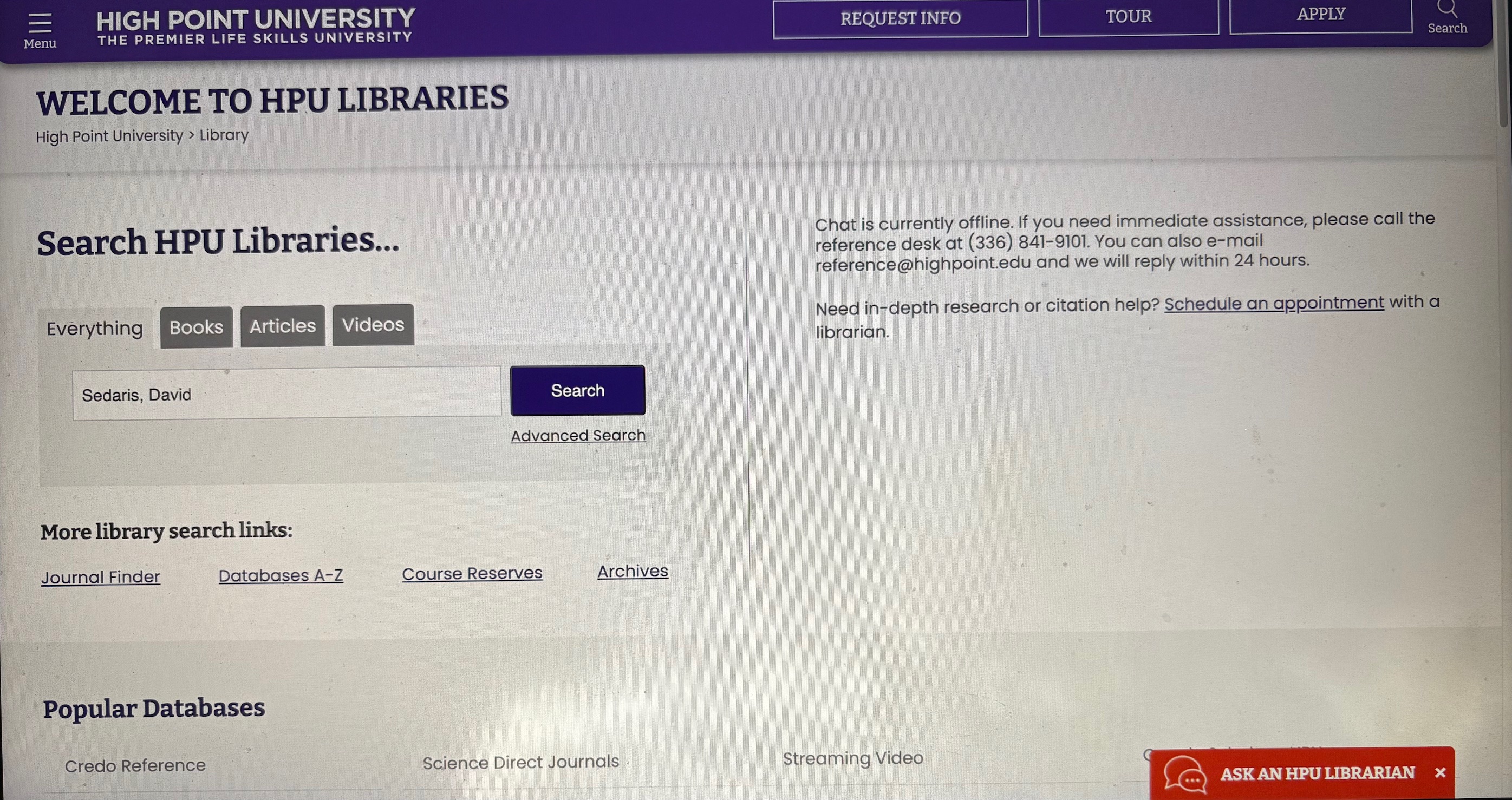
To begin my sample search, seen in the image above, I typed David Sedaris’s name in the search bar on the left. Though I could have chosen to narrow my search by source type (Books, Articles, or Videos), I chose the default, Everything, option to see the number and variety of sources it would yield.
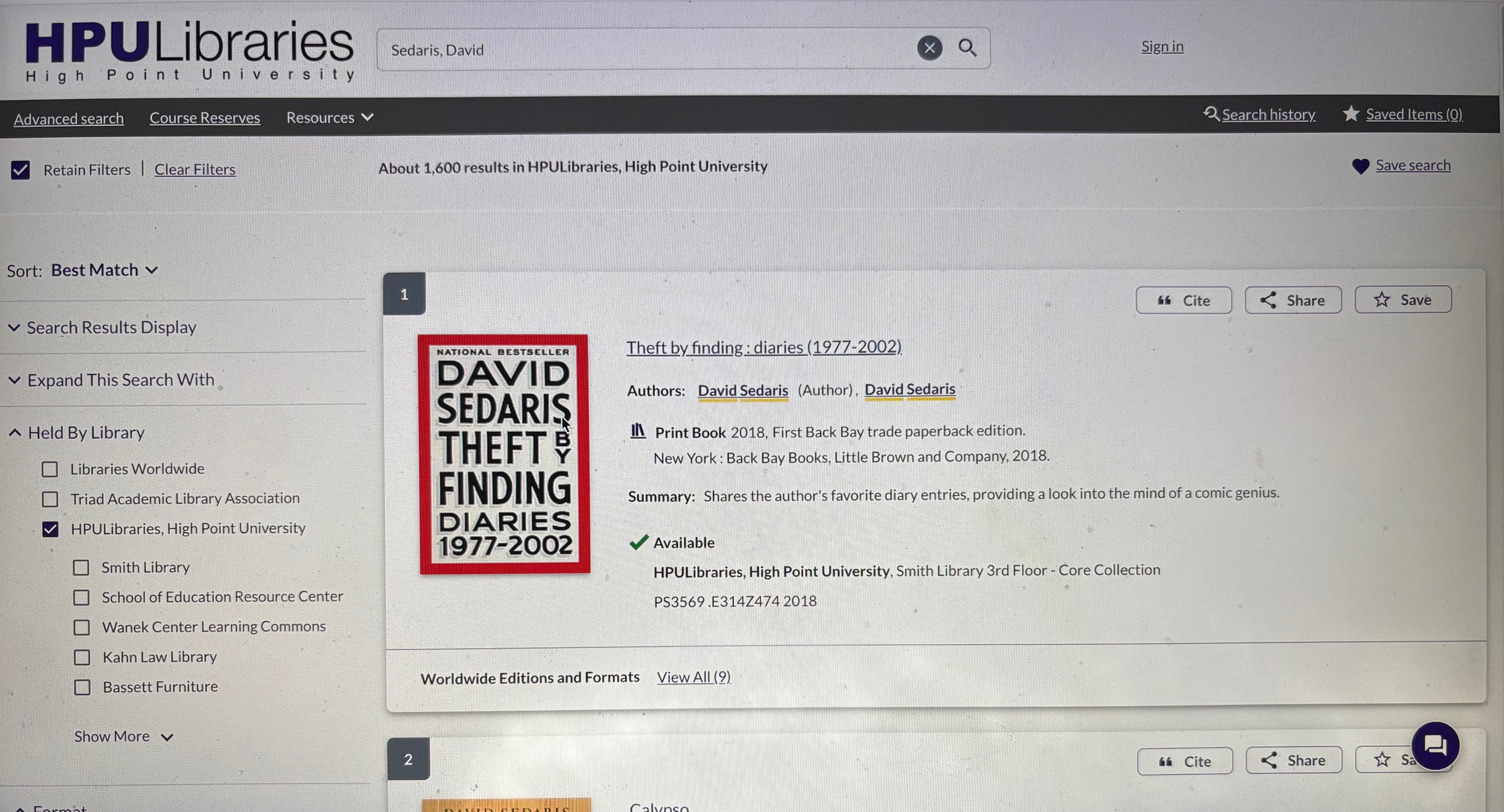
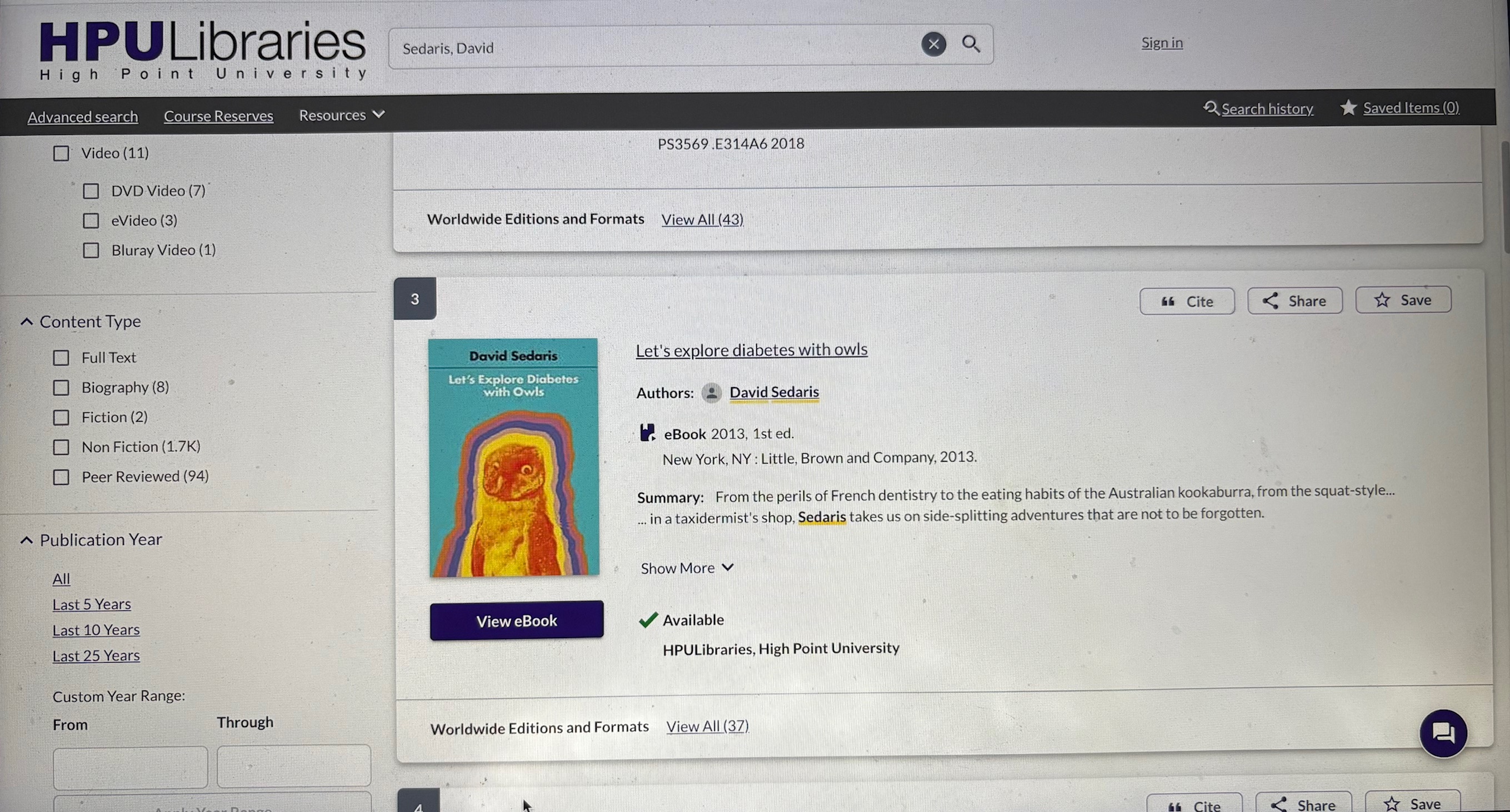
The first item my search yielded was David Sedaris’s Theft by Writing, as shown above. That collection of his diaries could serve as an additional primary source, but sifting through all the items that follow would be arduous. Near the top of the screen, you can see that the search yielded “[a]bout 1,600 results.”
Scrolling down the page shows several options for narrowing a search with filters. On the left in the picture above, you can see that those include Content Type and Publication Year. Since I would like to find a critical study of Sedaris’s writing, under Content Type, I chose Peer Reviewed.
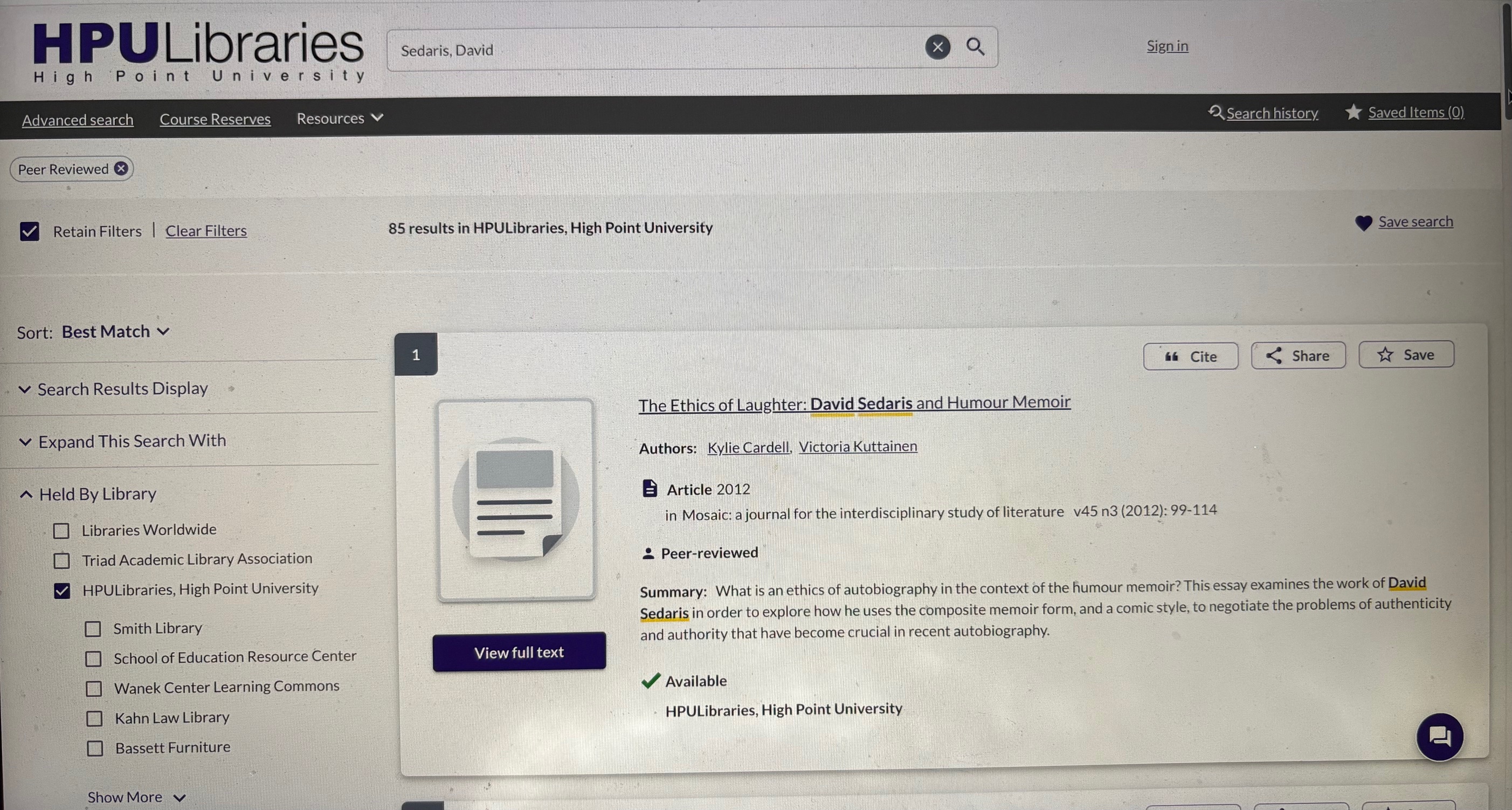
Limiting my search to peer-reviewed articles reduced the number of results by nearly 95%. In the image above (near the top), you can see there are eighty-five results, the first of which interests me because the title, “The Ethics of Laughter: David Sedaris and the Humour Memoir,” indicates that the authors consider the ethical nature of Sedaris’s blurring of fact and fiction in his humor.
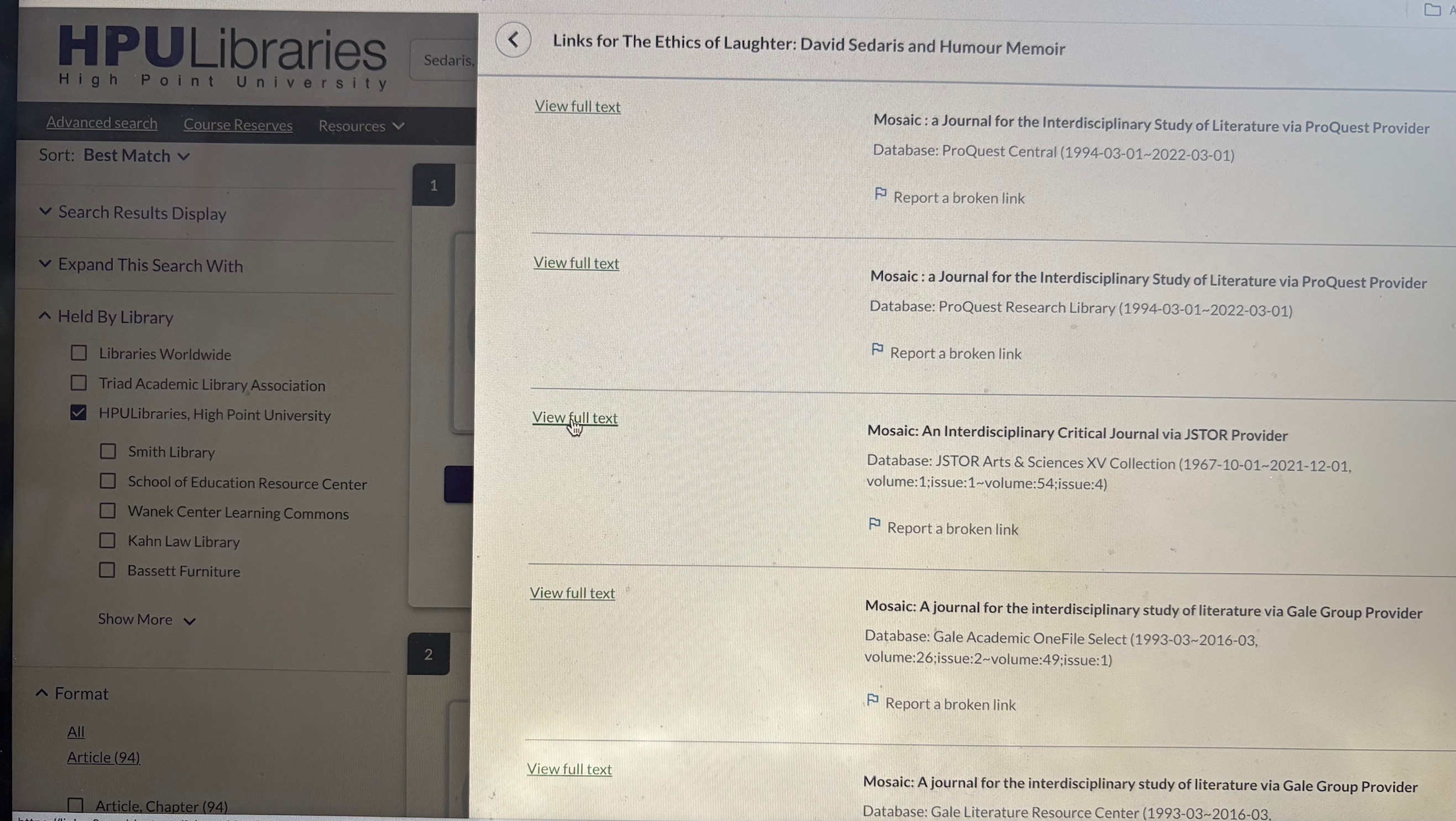
Clicking View full text opens the page pictured below, which offers five options for accessing the full text of the article.
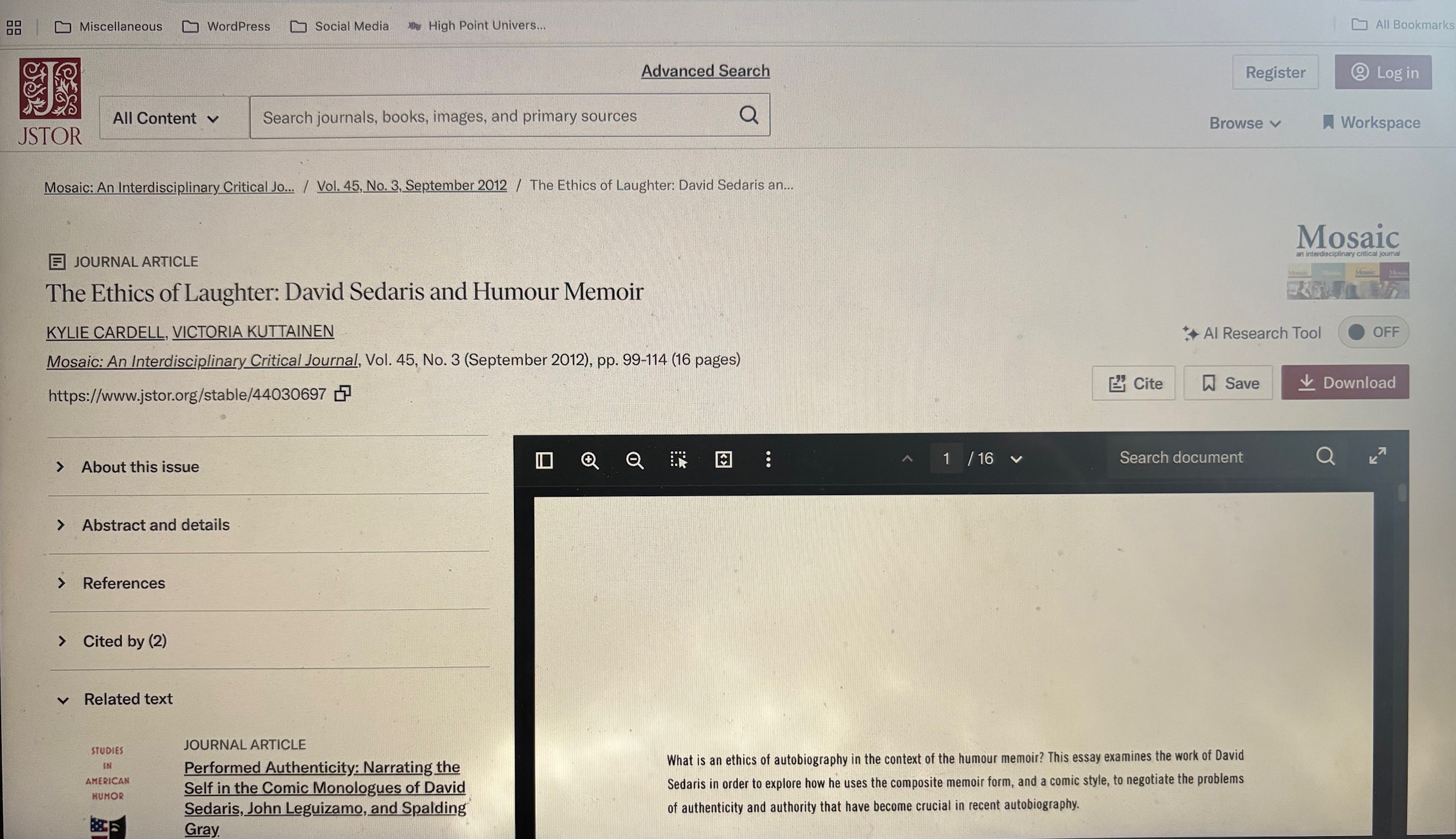
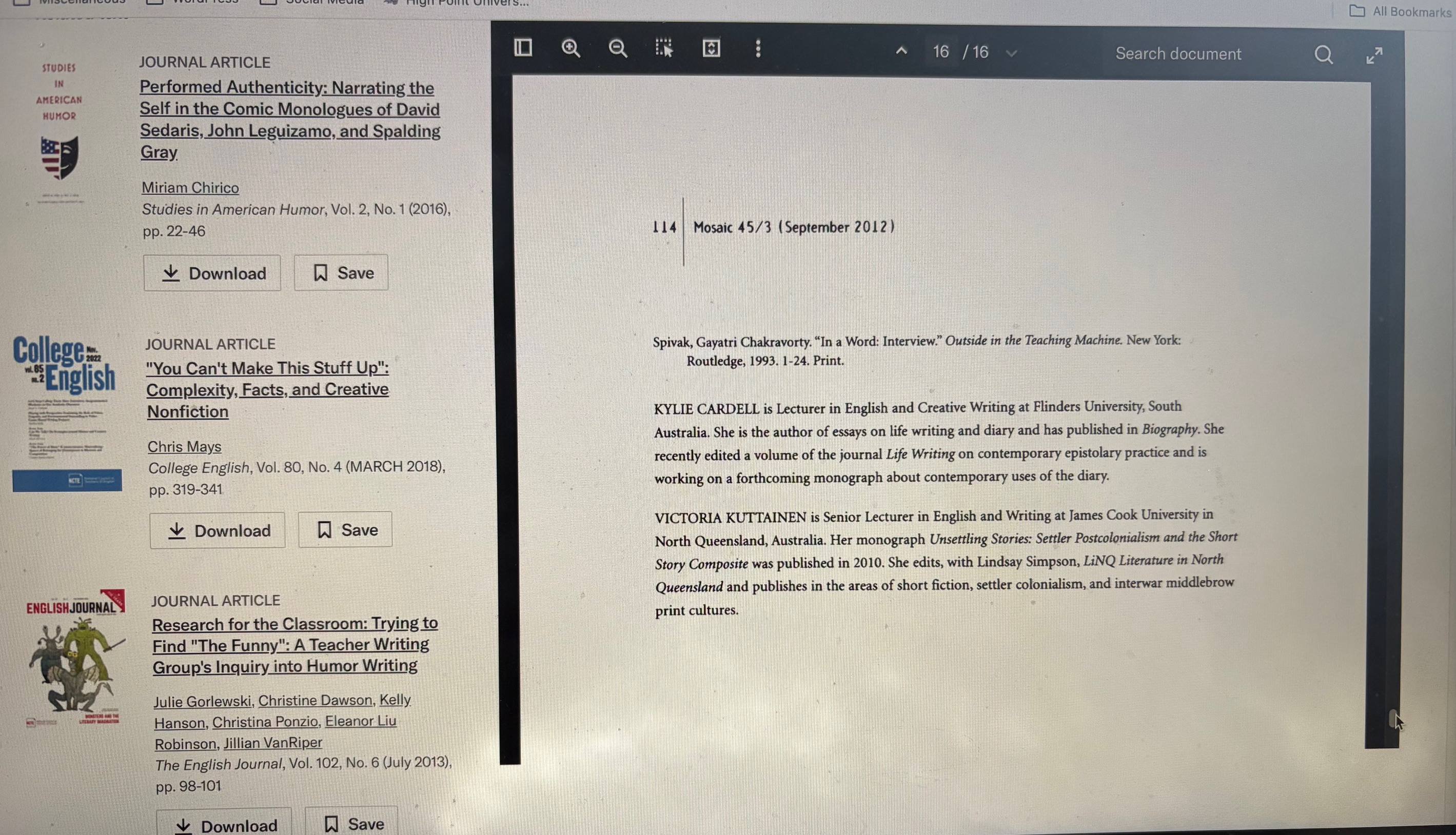
Though I could have chosen any of the five, I selected the JSTOR option. Unlike the other four database choices, JSTOR provides photographic images of the pages as they appear in the physical issue of the journal. (See the document on the lower right in the photo below.) If I had chosen one of the two ProQuest or Gale options, the full text would be unpaginated, which would require me to number the paragraphs in preparation for citing the article.
JSTOR (short for Journal Storage), a nonprofit digital library and database, houses thousands of journals and e-books, and millions of primary sources. If a search of yours yields a JSTOR option, I recommend you choose it. Its PDFs ease both the processes of reading and citing articles.
Another benefit of JSTOR is the list of links to related texts. In the lower left of the photo above, you can see a link to a study of the monologues of David Sedaris, John Leguizamo, and Spalding Gray. Although the article does not focus solely on Sedaris, the section devoted to him may be vital to a study of his humor–perhaps specifically his public readings of his work.
At the end of the article, seen above on the right, are the credentials for its co-authors. Often, credentials will appear at the beginning or end of an article. Look carefully at both the title page and the final page. If the article doesn’t include the author’s credentials–which is unlikely but nevertheless possible in an academic database–you will need to conduct a separate online search for them. Keep in mind that the absence of credentials may be a red flag. If you can’t locate details about a writer’s qualifications and achievements, that writer’s article may not be a reliable source.
If one of your sources has two authors, you may present the credentials for both of them in one paragraph. If you choose a source with three or more authors, include only the credentials for the lead author, the one whose name appears first on the title page.
After I conducted the search detailed above, I read and annotated “The Ethics of Laughter” in preparation for composing an annotated bibliographic entry. That annotated bibliographic entry appears below.
Sample Annotated Bibliographic Entry
Cardell, Kylie, and Victoria Kuttainen. “The Ethics of Laughter: David Sedaris and Humour Memoir.” Mosaic: An Interdisciplinary Critical Journal, vol. 45, no. 3, 2012, pp. 99-114. JSTOR, http://www.jstor.org/stable/44030697.
“The Ethics of Laughter: David Sedaris and Humour Memoir” explores the implications of the blending of truth and artifice in David Sedaris’s writing. In the words of the authors, Sedaris’s “memoirs have attracted controversy for their blurring (or, as we argue, contesting) of boundaries between fiction and non-fiction” (Cardell and Kuttainen 100). While some critics, such as journalist Alex Heard, believe that “Sedaris exaggerates too much for a writer using the non-fiction label” (qtd. in Cardell and Kuttainen 103), Cardell and Kuttainen assert that Sedaris’s use of hyperbole, a staple of his prose style, is ethical in the context of the humor memoir.
Cardell and Kuttainen’s article highlights the complexity of assessing the validity of Sedaris’s mingling of the real and what he refers to as the “realish” in his writing (qtd. in Cardell and Kuttainen 99). “The Ethics of Laughter” could play a significant role in studies that focus solely on Sedaris’s humor, as well as ones that examine both Sedaris’s writing and that of other memoirists who blur the line between fiction and nonfiction.
Kylie Cardell, Ph.D., author of Dear World: Contemporary Uses of Autobiography, is Associate Professor of Humanities at Flinders University. Her co-author, Victoria Kuttainen, Ph.D., author of Unsettling Stories and The Transported Imagination, is Associate Professor of Art and Creative Media at James Cook University.
Note that the blog format of the annotated bibliographic entry above is different from MLA format, which features paragraph indentations and double spacing. The bibliographic entry above and the three paragraphs that follow total 241 words. The minimum word count for the entire assignment (essay and bibliography together) is 1,800 words. If you compose five annotations of the length of the one above, you will be well on your way to completing your 1,800-word minimum. However, keep in mind that a bibliography that is close to, or reaches, the minimum word count by itself does not warrant an insubstantial introductory essay.
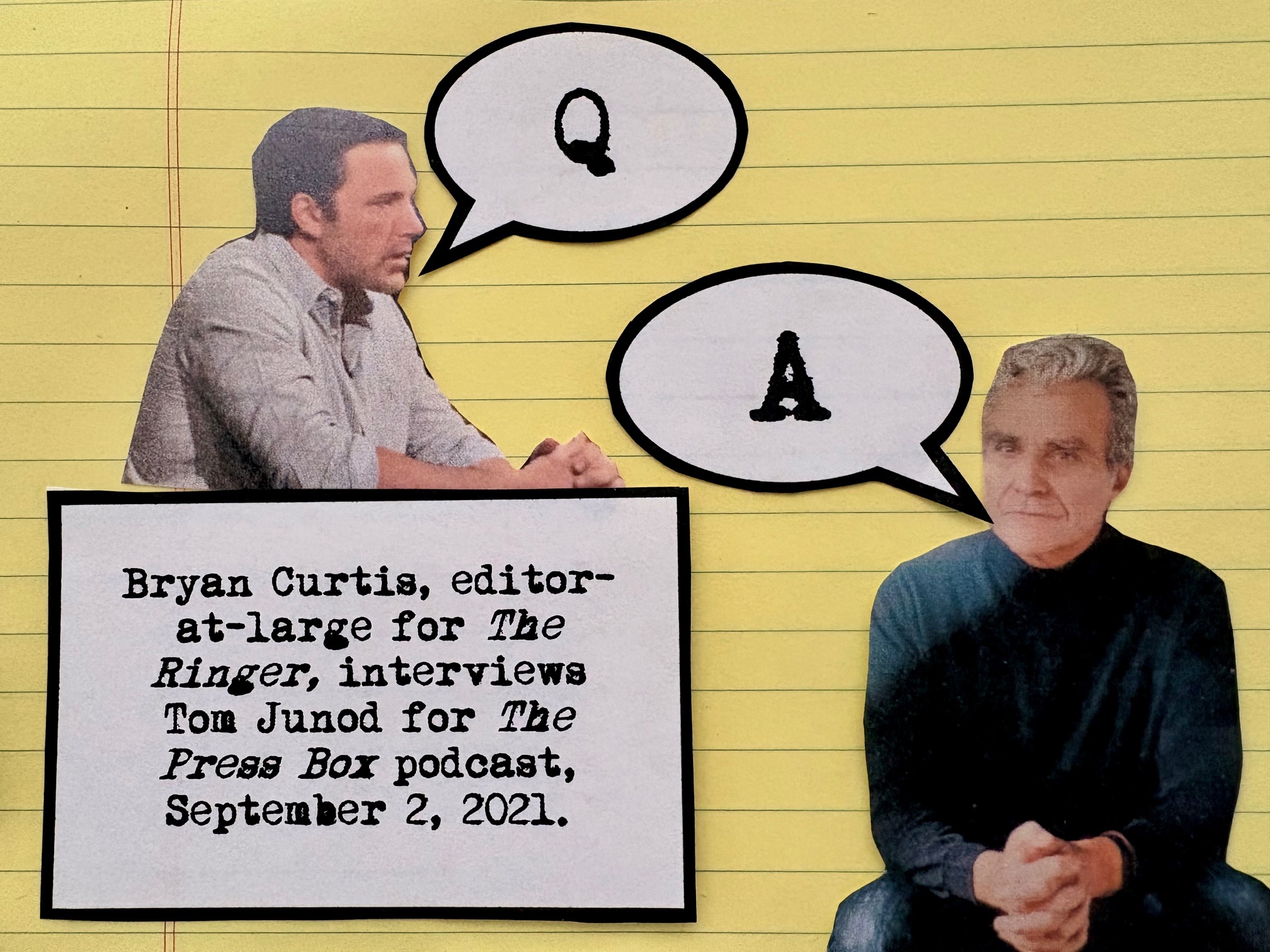
Bryan Curtis photo credit: The Guardian, Tom Junod photo credit: Atlanta Magazine.
Yesterday in class, you conducted a short personal interview that will serve as one of the sources for your final essay and annotated bibliography. You are not required to type a transcript of your handwritten interview, but I recommend it. With a typed version of your interviewee’s answers, you can easily copy and paste pertinent passages into your essay or your bibliographic entry.
If you have additional questions for your interviewee and want to conduct a follow-up conversation, the date of the follow-up interview will be included in your bibliographic entry. If the interview days are consecutive, use a hyphen between the two days; if they are not consecutive, use the word and between them.
Examples
Brewer, Jesse. Interview. Conducted by Jane Lucas. 20-21 Oct. 2023.
Brewer, Jesse. Interview. Conducted by Jane Lucas. 20 and 22 Oct. 2023.
Including a passage from your interview in your essay is not a requirement of your assignment. You are required to include quotations from a minimum of two of your five sources. Whether you choose to incorporate the interview into your essay, it will still serve as one of the five sources in your bibliography
If you decide that you do not want to use the interview that you conducted yesterday, you are welcome to include another one in your bibliography. Keep in mind, however, that the student interview you include must be conducted with a student currently enrolled in section eight, and the subject of the interview must be the subject of your project.
In addition to your personal interview, you may include a professional interview conducted by a journalist, such as the interview annotated in my sample entry that follows. Unless that interview appears in print in a publication, it is a nonprint source, which means that you will need to include a total of five print sources, rather than four, in your bibliography.
Notice that the format of a bibliographic entry for a professional interview conducted by a journalist differs from that of a personal interview. Because the interview is part of an episode of a podcast, the entry includes the episode title in quotation marks and the podcast title in italics, followed by the date and the complete web address.
Sample Annotated Bibliographic Entry: Professional Interview
Junod, Tom, and James B. Stewart. “James B. Stewart and Tom Junod on Writing about 9-11.” The Press Box, 2 Sept. 2021, https://podcasts.apple.com /us/podcast/ james-b-stewart-and-tom-junod-on-writing-about-9-11/id1058911614?i=1000534129966.
In his interview with Tom Junod, Bryan Curtis, editor-at-large of The Ringer and cohost of The Press Box podcast, talks with Junod on the occasion of 9/11’s then-upcoming twentieth anniversary. In his Q and A with Junod and the one with James B. Stewart that precedes it, Curtis asks the writers about their approaches to writing about 9/11, their writing processes, and the public’s reactions to their magazine features devoted to 9/11: Tom Junod’s on the unidentified Falling Man and James B. Stewart’s “The Real Heroes are Dead.” The latter, published in The New Yorker, focuses on Rick Rescorla, the decorated Vietnam War veteran and head of security for Morgan Stanley, who died in the South Tower’s collapse after leading an evacuation that saved hundreds from the same fate.
The September 2, 2021, episode of The Press Box podcast offers insights into the intricacies of writing about 9/11 and the writing processes of two journalists who reflected on the tragedy after the initial shock subsided: Stewart, six months later, and Junod, two years later. Their conversations with Bryan Curtis provide key first-person accounts for researchers studying the writing of Junod or Stewart in particular, or the journalism of 9/11 in general.
Tom Junod, a senior writer for ESPN, has also written for Life, Sports Illustrated, and GQ, where his articles garnered two National Magazine Awards. Among Junod’s other notable works are his Esquire profile of Fred Rogers, “Can You Say . . . ‘Hero’?”—the inspiration for the Tom Hanks film It’s a Beautiful Day in the Neighborhood—and his newly published memoir In the Days of My Youth I was Told What it Means to be a Man.
Credentials Paragraphs for an Author Who Serves as Your Subject
If your focus is on the writing of one of the authors we have read in class, your bibliography will include a credentials paragraph for only one of the sources by that author, the one that falls first alphabetically in the list. Works cited and bibliographic entries are always presented in alphabetical order by the authors’ last names. When a list includes multiple sources by one author, those sources are listed alphabetically by title.
The sample entry above includes a credentials paragraph for Junod, but that paragraph will not appear in the annotation for the podcast in my complete bibliography unless the podcast falls first alphabetically.
Also, Junod’s name will be listed only at the beginning of the first entry in the list. The entries that follow will start with —. (three hyphens and a period) to represent the author’s name. That is the MLA format for additional sources with the same author.
Reading Quiz
Rather than listing the answers to yesterday’s quiz, I have followed each question below with a note regarding where to find the answer. By finding the answers yourself, you will learn more than you would from simply reading them in a list.
Last Thursday’s class notes focus on the research and writing that I have begun as a model for your own. What is my subject, and what prompted me to choose it? See the March 19 class notes.
Thursday’s class notes include a sample annotated bibliographic entry. What source is the subject of that annotation? In other words, for which article did I compose an annotated bibliographic entry? See the March 19 class notes.
What is the topic of the Scrabble list in last Friday’s class notes? See the March 20 class notes.
Last Friday’s Scrabble list includes a word featured in a previous list, one devoted to playable two-letter words. What is that word? See the March 20 class notes.
Your quiz also included a bonus opportunity. For the possible answers to that question, see the class notes for March 20.
Be sure to write notes in your journal on all of your readings, including the notes posted on my blog. Before each class begins, take out your journal and review your notes. That will increase your knowledge of what you read and ensure that you will earn high grades on your pop quizzes.
Kudos to Nick Beeker, Aidan Berlin, Madison Davis, Sophia Marin, Dylan Virga, and Sierra Welch for completing Friday’s bonus assignment, and congratulations to the students whose analysis titles were chosen by their classmates. The number in parentheses denotes the number of students who chose the title as the winner.
An allusion is a reference that calls to mind a person, place, event, or artwork without naming it explicitly. The title of Tom Junod’s new memoir alludes to Led Zeppelin‘s song “Good Times, Bad Times,” which begins with the line that serves as Junod’s title: In the Days of My Youth I was Told What it Means to be a Man. The first part of the title, In the Days of My Youth, also recurs in the Bible, in Ecclesiastes and Job, and serves as the title of a novel by nineteenth-century author Amelia Edwards.
My title for last Thursday’s class notes alludes to “One Writer’s Beginnings,” the memoir by Pulitzer Prize-winning fiction writer Eudora Welty. (My title omits the s at the end of beginnings, since my focus is the starting point for a single project.)
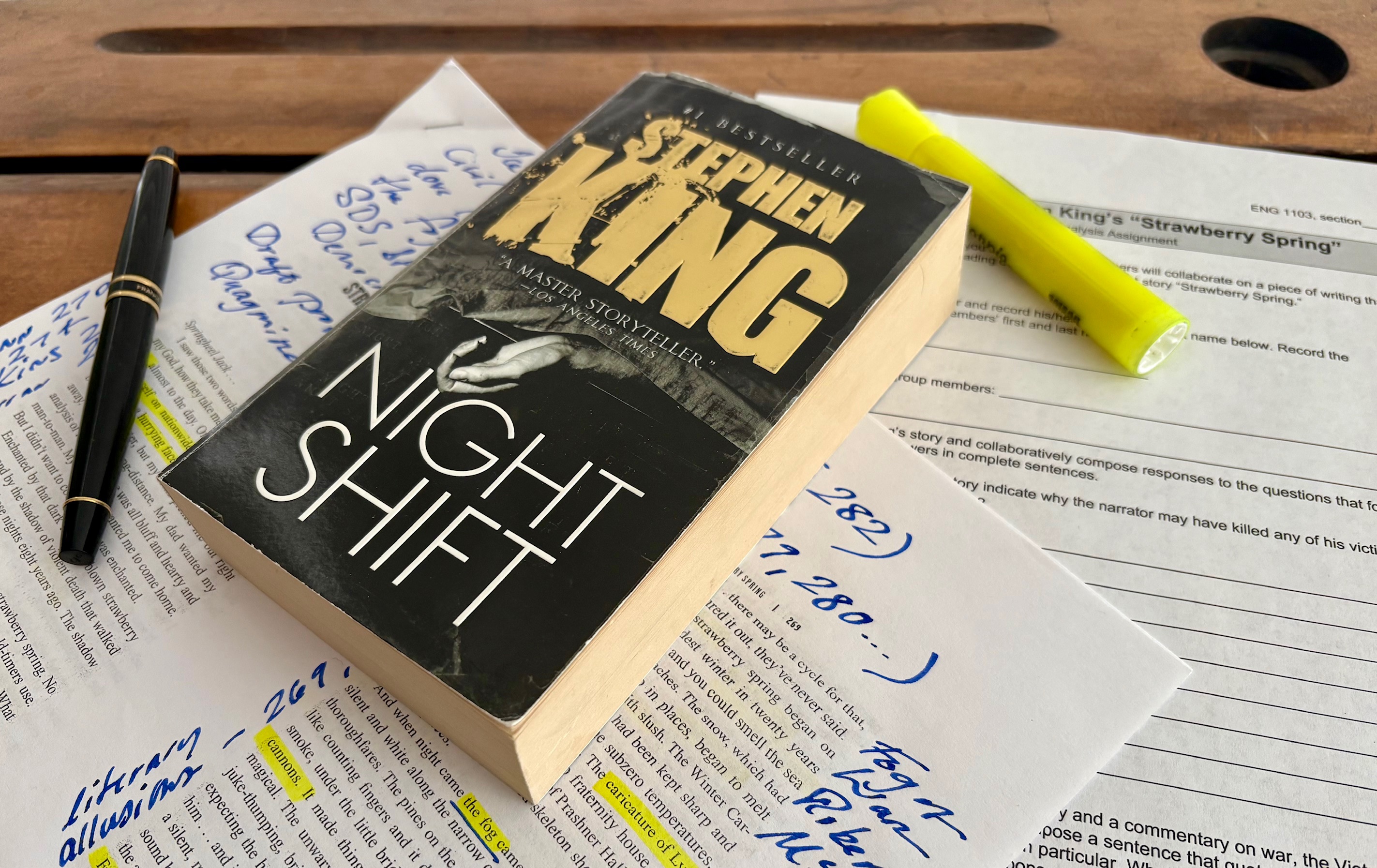
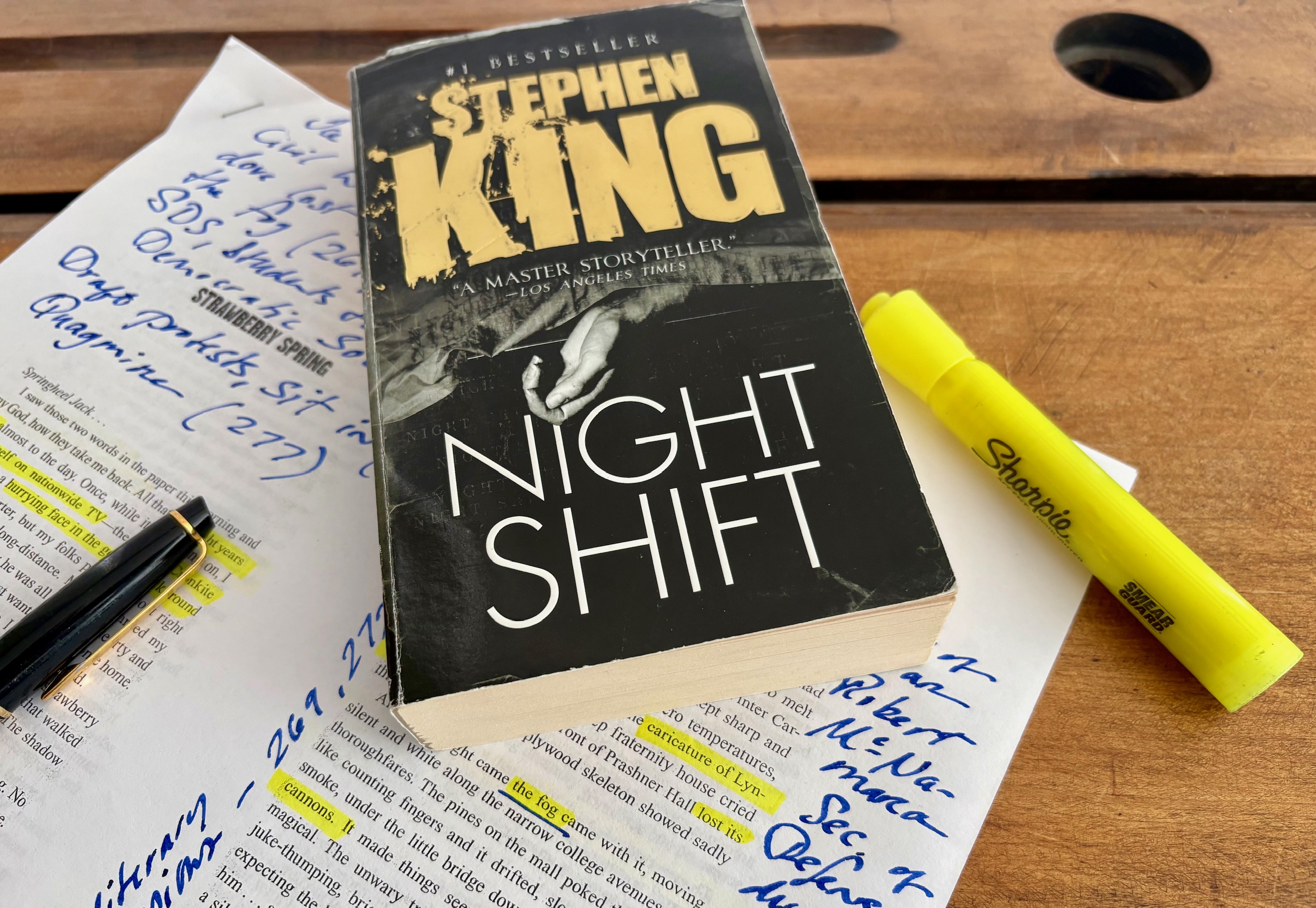
Stephen King’s title “Strawberry Spring” isn’t an allusion, but the story features two literary allusions, which we examined in class and which I addressed in the March 17 class notes. The first is an allusion to J.R.R. Tolkien’s The Lord of the Rings trilogy: “You half expected to see Gollum or Frodo or Sam go hurrying past” (269). The second is an allusion to Carl Sandburg’s poem “The Fog” (272).
Next Up
Tomorrow’s class will be devoted to finding additional sources through the HPU Libraries site. Details TBA.
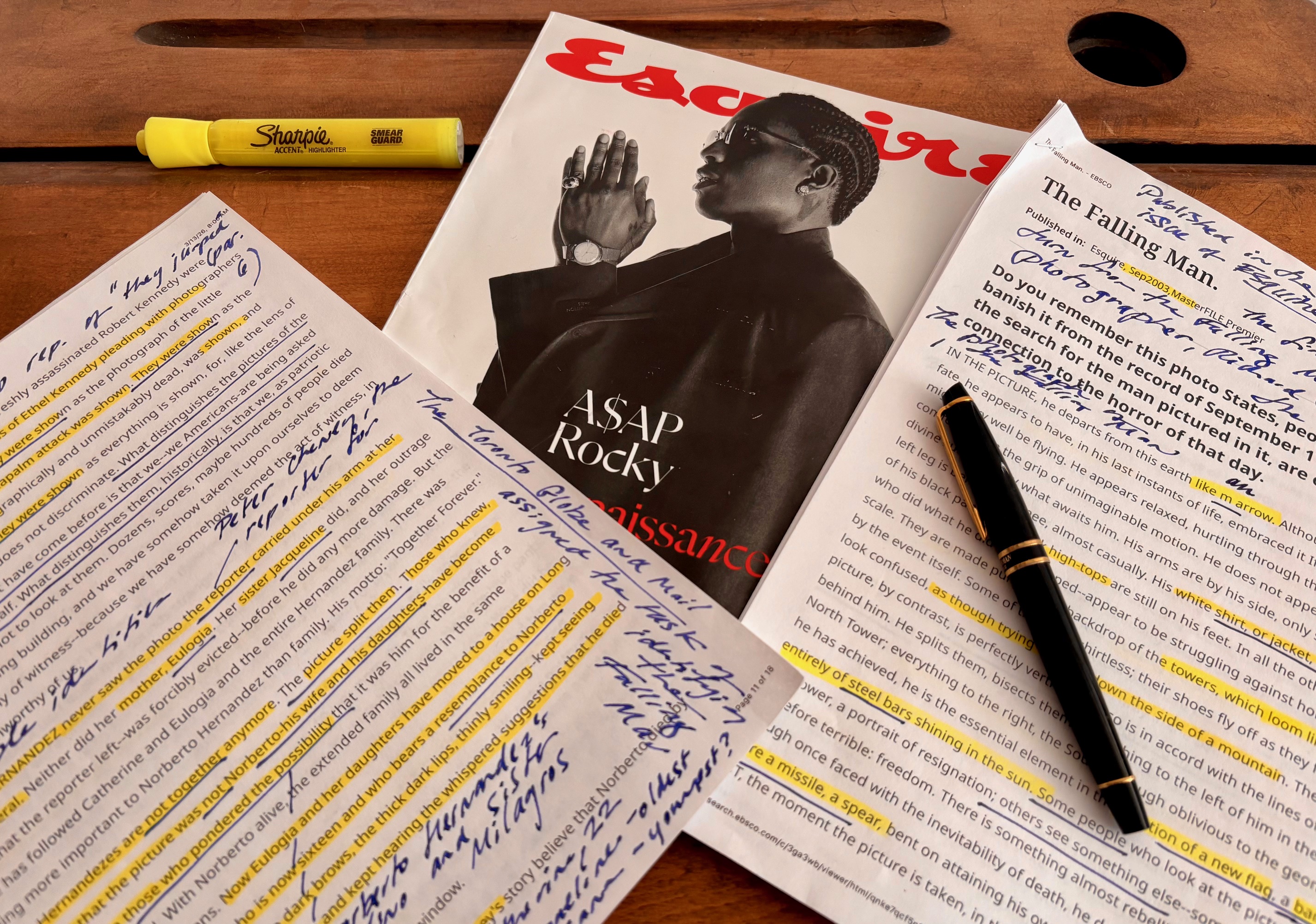
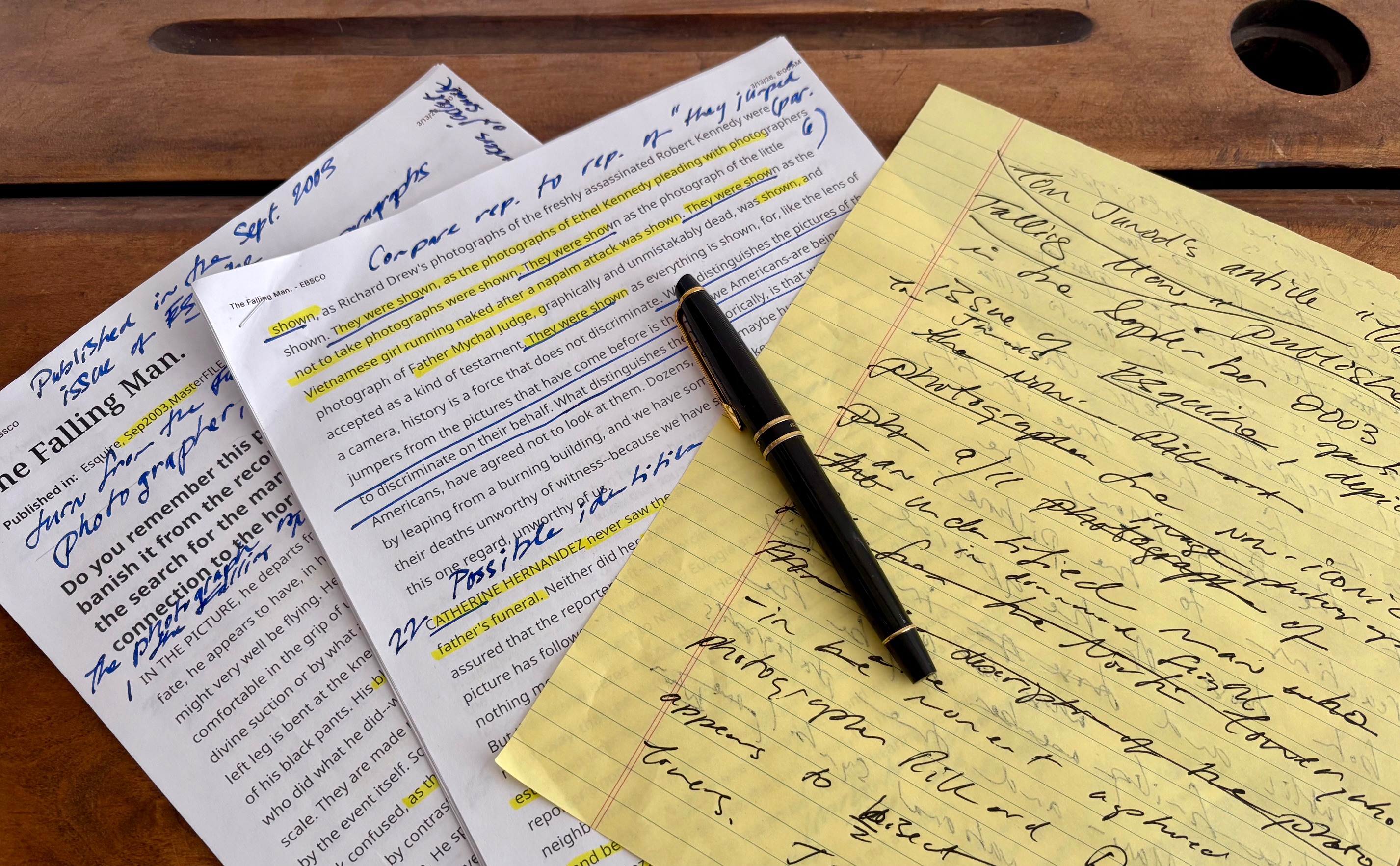
My annotated copy of Tom Junod’s “The Falling Man,” along with March issue of Esquire, which features Tom Hendrickson’s article on Tom Junod
When I opened the current issue of Esquire, I didn’t expect to spot the name Tom Junod. What I saw out of the corner of my eye wasn’t a byline; Junod had left Esquire to write for ESPN The Magazine in 2016. The name I’d grown accustomed to seeing as a byline was instead the first words of a feature titled “Family Secrets,” by John Hendrickson.
Hendrickson’s feature focuses on the recent publication of Tom Junod’s first book, a memoir. I realized that “Family Secrets” could serve as a source in an annotated bibliography devoted to Junod’s writing–and, time permitting, I could read his new memoir, In the Days of My Youth I was Told What it Means to be a Man. And that book could serve as a source as well.
Although I could have begun my writing process by drafting a bibliographic entry for “Family Secrets,” instead I began with an bibliographic entry for “The Falling Man,” as a model for those of you who choose Junod’s writing as your subject.
I prepared to draft by rereading “The Falling Man” in its entirety twice, highlighting words and phrases on my first rereading, and writing extensive annotations in the margins on the second. As a result of that close examination of Junod’s article, I was not only able to draft a bibliographic entry but also discover patterns in his prose–including apparent contradictions and repetition of words or phrases for emphasis–that I will be able to address elsewhere in my essay and bibliography.
Twice rereading Tom Junod’s seventeen-page, 7,000-plus-word article was time-consuming, but the effort paid off by generating substantial material for my project. If your own essay and bibliography focuses on Tom Junod’s writing, you should follow the same steps. Examining only the first two paragraphs of a writer’s article is sufficient for a short analysis but not for a research project devoted to his work.
My annotated copy of Tom Junod’s “The Falling Man” and the first page of the draft of my bibliographic entry
Annotated Bibliographic Entry for “The Falling Man”
Published in the September 2003 issue of Esquire, Tom Junod’s “The Falling Man” focuses on the now-iconic 9/11 image of an unidentified man in downward flight, who appears to bisect the Twin Towers. Junod chronicles the moments leading up to AP photographer Richard Drew capturing the photo, Toronto Globe and Mail reporter Peter Chaney’s search for the true identity of the Falling Man, the reactions to the picture—both those of the public and of grieving families (whose loved one could be its subject), and the photograph’s status as a national symbol.
Junod’s thorough and riveting account of Richard Drew’s photograph and its life beyond the frame illuminates the role of the Falling Man in American culture and showcases the writer’s award-winning prose. “The Falling Man” remains an essential reference for studies of the iconography of 9/11, as well as studies of Junod’s writing.
Tom Junod, a senior writer for ESPN, has also written for Life, Sports Illustrated, and GQ, where his articles garnered two National Magazine Awards. Among Junod’s other notable works are hisEsquire profile of Fred Rogers, “Can You Say . . . ‘Hero’?”—the inspiration for the Tom Hanks’ film It’s a Beautiful Day in the Neighborhood—and his newly-published memoir In the Days of My Youth I was Told What it Means to be a Man.
On Monday, as an exercise in creating a primary source for your annotated bibliography, you will conduct an interview with one of your classmates. Details TBA.
King, Stephen. “Strawberry Spring.” Night Shift. 1978. Anchor, 2011. pp. 268-82.
Tomorrow morning, before you begin work on your final essay and annotated bibliography, we will revisit Stephen King‘s “Strawberry Spring” and discuss the answers to your collaborative exercise on the story.
For that exercise, I asked you to determine whether you could identify any details that indicate why the narrator may have murdered any of his victims. Although there is no indication that the narrator knew Gale Cermann, Adelle Parkins, or Marsha Curran, he did know Ann Bray, which he reveals after he tells the readers that she was editor of the school newspaper: “In the hot, fierce bubblings of my freshman youth I had submitted a column idea to the paper and asked for a date–turned down on both counts” (275). Though the narrator’s rejection by Ann Bray could have motivated him to murder her, the fact that the other victims were virtual strangers to him indicates that the phenomenon of Strawberry Spring itself awakens his killer instinct
I also asked you to identify words and phrases that illustrate how the story is not only a horror story but also a commentary on war, the Vietnam War in particular, and the Vietnam era. I offered these examples as models:
King’s description of the snow sculpture “caricature of Lyndon Johnson” (269) signifies the derisive responses to the President’s Vietnam War policy.
The description of the snow sculpture “caricature of Lyndon Johnson” (King 269) signifies the derisive responses to the President’s Vietnam War policy.
Some of the words and phrases you may have identified include these:
I also asked you to try to identify the two literary allusions in King’s story. The first is an allusion to J.R.R. Tolkein’s The Lord of the Rings trilogy: “You half expected to see Gollum or Frodo or Sam go hurrying past” (269). The second is an allusion to a poem by Carl Sandburg, titled–perhaps unsurprisingly–“The Fog” (272).
Pop Quiz
Rather than listing the answers to yesterday’s quiz, I have followed each question below with a note regarding where to find the answer. By finding the answers yourself, you will learn more than you would from simply reading them in a list.
What did you learn about Stephen King from the author’s page that you read for today’s class? See the author’s page on King’s website.
Your quiz also included two bonus opportunities. For the answers to those questions, see the class notes for March 13.
Be sure to write notes in your journal on all of your readings, including the notes posted on my blog. Before each class begins, take out your journal and review your notes. That will increase your knowledge of what you read and ensure that you will earn high grades on your pop quizzes.
Next Up
At the beginning of tomorrow’s class, we will continue our discussion of “Strawberry Spring.” Afterward, you will have the remainder of the period to devote to your preliminary work for your final essay and annotated bibliography. Details TBA.
King, Stephen. “Strawberry Spring.” Night Shift. 1978. Anchor, 2011. pp. 228-82.
Today in class we will read Stephen King‘s short story “Strawberry Spring,” which was published in Ubris magazine in 1968 and included in King’s first short story collection, Night Shift (1978).
For the collaborative exercise that you will complete after we read the story, I will ask you to determine whether you can identify any details that indicate why the killer may have murdered any of his victims. Although there is no indication that he knew Gale Cerman, Adelle Parkins, or Marsha Curran, he did know Ann Bray.
I will also ask you to identify words and phrases that illustrate how the story is not only a horror story but also a commentary on war, the Vietnam War in particular, and the Vietnam era.
Lastly, I will ask you to try to identify the two literary allusions in King’s story. We will discuss your findings near the end of class today or at the beginning of class on Wednesday, and I will include the answers in tomorrow’s class notes.
Next Up
We will review “Strawberry Spring” at the beginning of Wednesday’s class, and you will have the remainder of the period to begin work on your final essay and annotated bibliography.
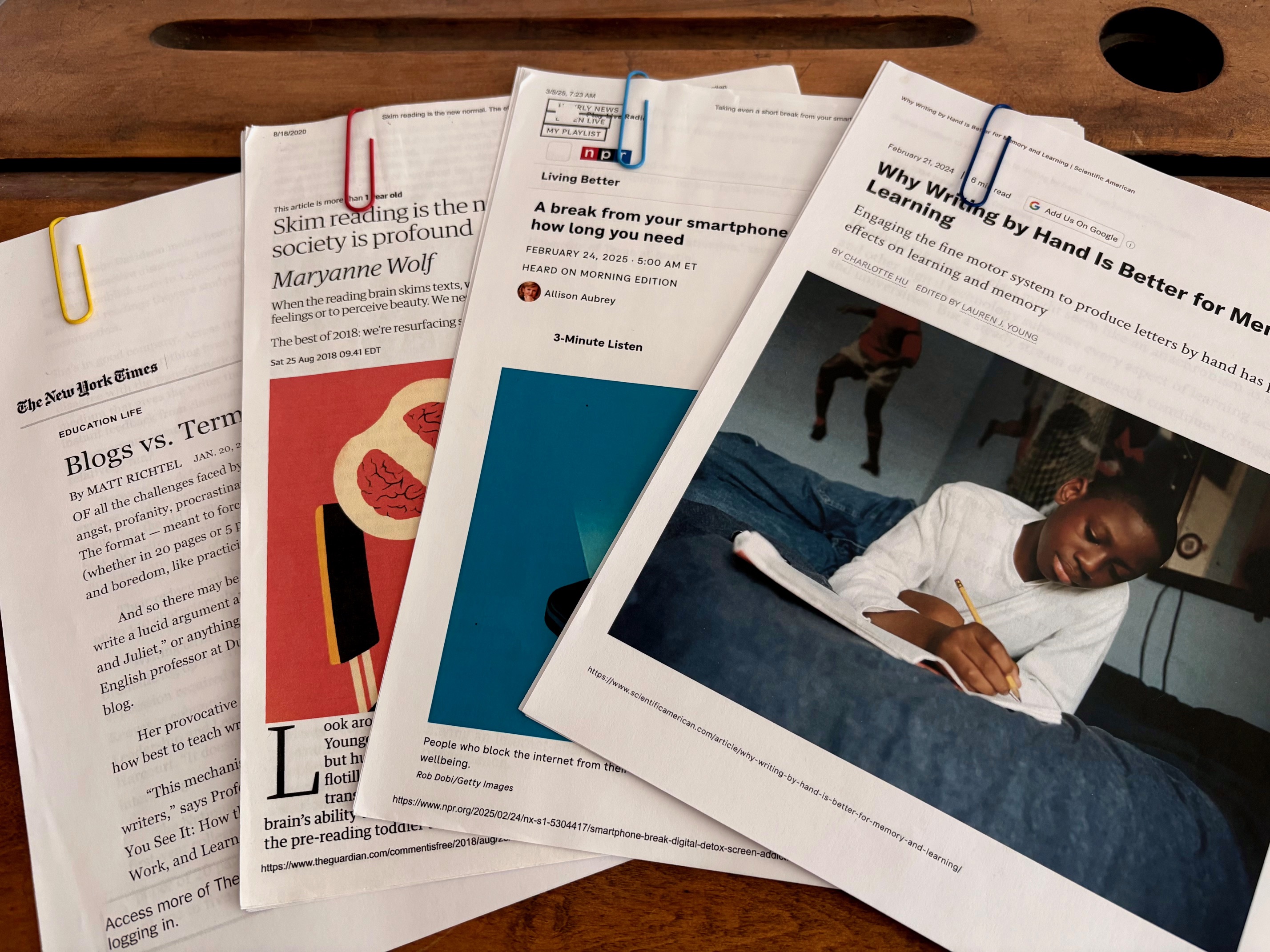
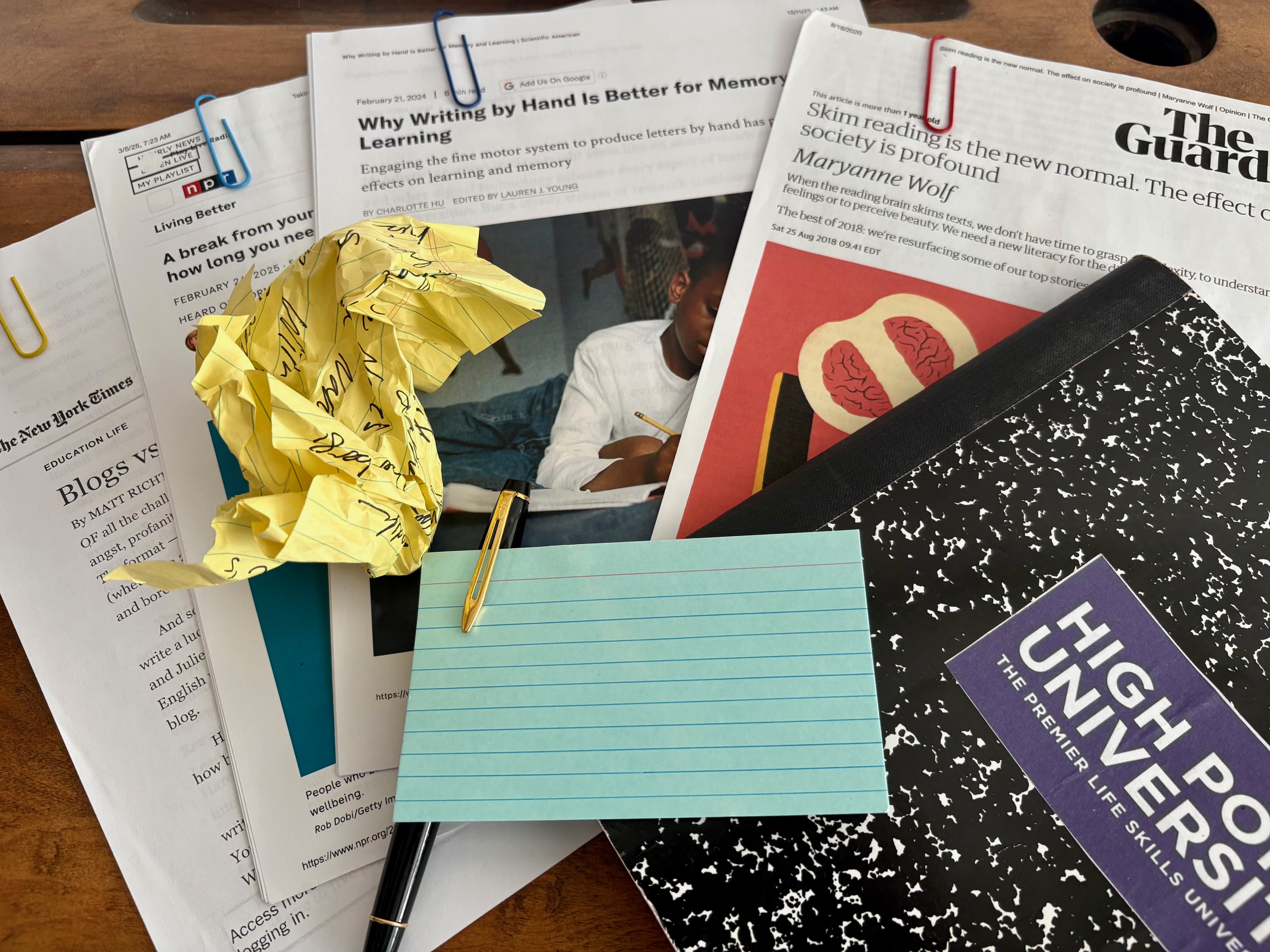
The four articles that served as the subjects for your group presentations are all secondary sources: texts that address information originally presented in primary sources. Primary sources include research studies and other original works, such as historical documents, essays, and fiction. Each of the essays, the short story, the letter, and the chapter that you read previously for class can serve as primary sources for your research. For example, David Sedaris‘s “Me Talk Pretty One Day” is a primary source for a study of Sedaris’s writing.
In “Blogs vs. Term Papers,” Matt Richtel reports on the findings of the National Survey of Student Engagement and a study of high school writing requirements conducted by William H. Fitzhugh, editor of The Concord Review, as well as the writing curricula of then-Duke University Professor Cathy Davidson and Stanford Professor Emerita Andrea Lunsford.
In “A Break from Your Smartphone,” Allison Aubrey reports on research conducted by Noah Castelo, Kostadin Kushlev, Adrian F. Ward, Michael Esterman, and Peter B. Reiner, which was published in PNAS NEXUS, the journal of the National Academy of Science.
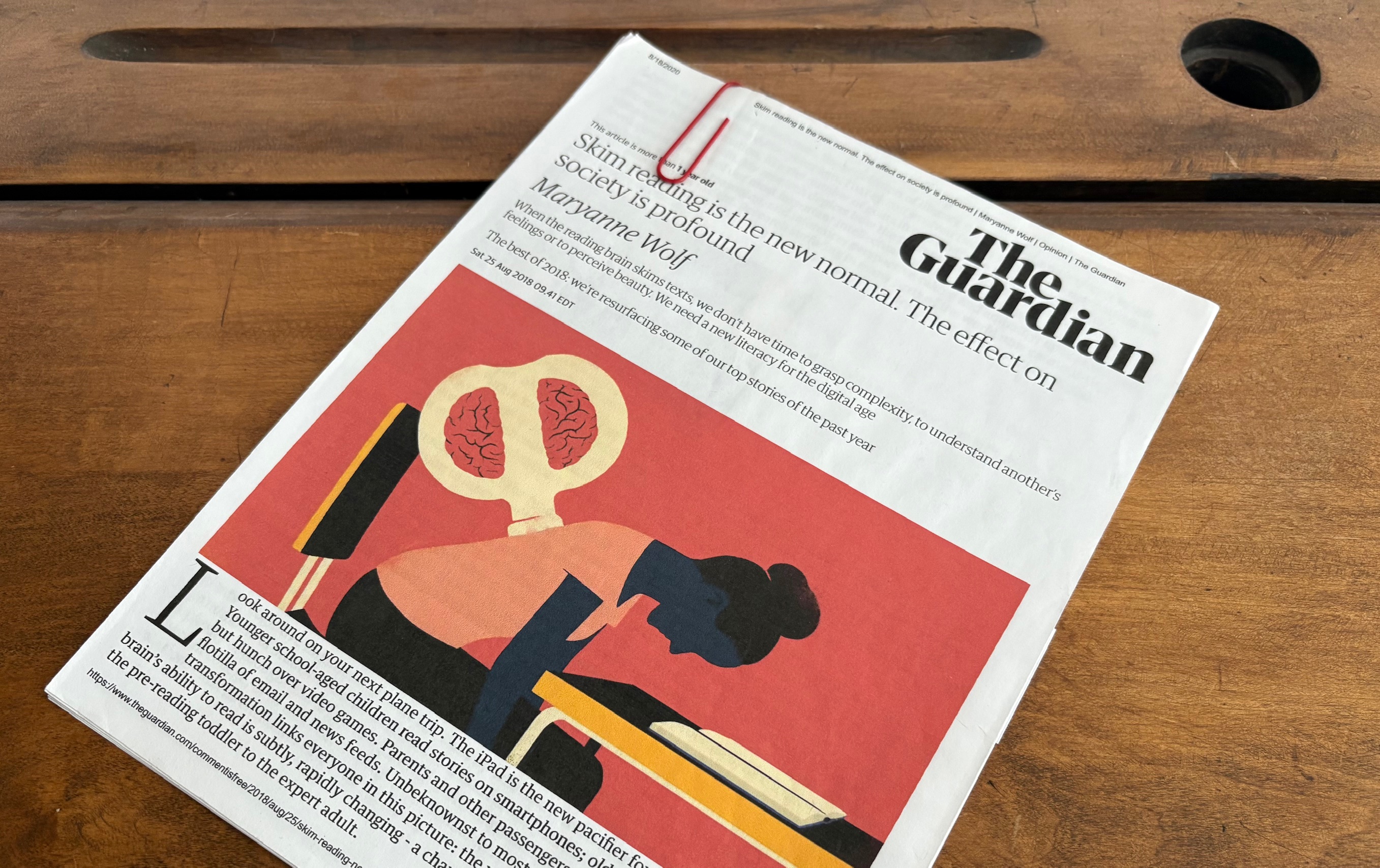
Although Maryanne Wolf’s “Skim Reading is the New Normal” cites research originally published in primary sources, she is not reporting on that research objectively. Instead, she argues that in light of researchers’ findings, “[w]e need to cultivate a new kind of brain: a ‘bi-literate’ reading brain capable of thought in either digital or traditional mediums” (par. 12). If you look at the heading on your copy of Wolf’s article, you will see the word opinion, which indicates that her article appeared in the opinion section of The Guardian‘s website and on the Op-Ed page of the physical paper.
Informed opinion pieces–such as Wolf’s, which draws on scholarly research–are suitable sources for your research, but it’s important to recognize the difference between reporting and commentary.
Great Britain’s The Guardian, which published Wolf’s article, and The New York Times, which published Richtel’s “Blogs vs. Term Papers,” are two of the most well-regarded newspapers of record, known for their accuracy and high-quality reporting. NPR (National Public Radio), which aired Aubrey’s “A Break from Your Smartphone,” is another premier news outlet. The magazine Scientific American, which published Hu’s “Writing by Hand is Better for Memory and Learning,” is yet another first-rate publication, one known for its authoritative and accessible coverage of science and technology news, written for a general audience.
AP Style vs. MLA Style
As you read the four articles that served as your presentation subjects, you probably noticed some differences among their styles and MLA (Modern Language Association) style, which you use for paper assignments in English 1103 and other courses in the humanities. Most news publications use AP (Associated Press) or their own in-house style book that shares many of AP’s rules. One of reason style rules are difficult to remember is the differences among the requirements. Here are some of the important distinctions between AP style and MLA:
In AP style, a sentence may begin with a quotation. In MLA style, a quotation must be introduced with a signal phrase. Otherwise, it is considered a dropped quotation.
AP style does not include parenthetical citations. In MLA style, quotations and paraphrases are followed by parenthetical citations–unless the sources are interviews or other nonprint sources.
In AP style, titles of publications are not enclosed in quotation marks or italicized. In MLA style, titles of short works are enclosed in quotation marks; titles of longer works are italicized (underlined in longhand).
Almost all numbers are expressed as figures in AP style. In MLA style, any number that can be expressed in one or two words is written as a word.
AP style omits the Oxford or serial comma, the comma before and in a series of three or more. Most publications other than newspapers use the Oxford or serial comma, and MLA advocates its use.
In AP style, an em dash is preceded and followed by a space. MLA style requires no space before or after an em dash.
This morning, in the first half of class, you and your classmates will deliver your group presentations. Keep in mind that when you are not presenting, you will still play a vital role in class as an audience member. Pay close attention to the other three presentations. Jot occasional notes in your journal, but don’t keep your head down for a substantial length of time. Making eye contact with the speakers and nodding your head are gestures that will convey your appreciation for your classmates’ efforts.
In the second half of class, we will look back at the four articles that served as your subjects, and you will compose reflections. Directions for your reflections are included below.
Directions
Compose a short piece of writing (two paragraphs, minimum) that reflects on your individual preparation and delivery of your portion of the presentation and your group’s presentation overall. Elements to address include the following:
The roles of your reading and writing: How did the processes of rereading the text and writing and rewriting your remarks contribute to the effectiveness of your delivery?
The introduction of your group members and opening remarks
The examination of points in the article
The conclusion
Poise, eye contact, and avoidance of filler words
The group’s cohesiveness
After you have reflected on your group’s presentation, compose an additional paragraph that addresses a presentation by one of the other groups. Choose the one that stands out the most to you. What element or elements of that presentation made it particularly effective and why?
As you continue to prepare for your presentation, be mindful of the valuable roles that reading and writing play in the process. Although the final product is your group’s three-to-four-minute oral presentation, your work began with reading and writing: reading the article that serves as your subject, and writing the plan that you composed in class yesterday.
Have you thoroughly reread the article that serves as your subject? If not, turn back to the text itself at least two more times before Wednesday. Chances are, on a second or third reading, you will notice details you didn’t notice before, ones that you may want to add to your presentation.
In addition to recording key words on your notecard, write out your portion of the presentation in your journal. Though you will not be permitted to have your journal in hand during your presentation, the act of writing down your remarks and rewriting them will help you commit them to memory.
As you practice delivering your presentation, be sure to limit the time that you look down at your notecard and your copy of the reading. Your ability to limit those glances will be greater if you spend ample time rereading the text and writing and reviewing your remarks in your journal.
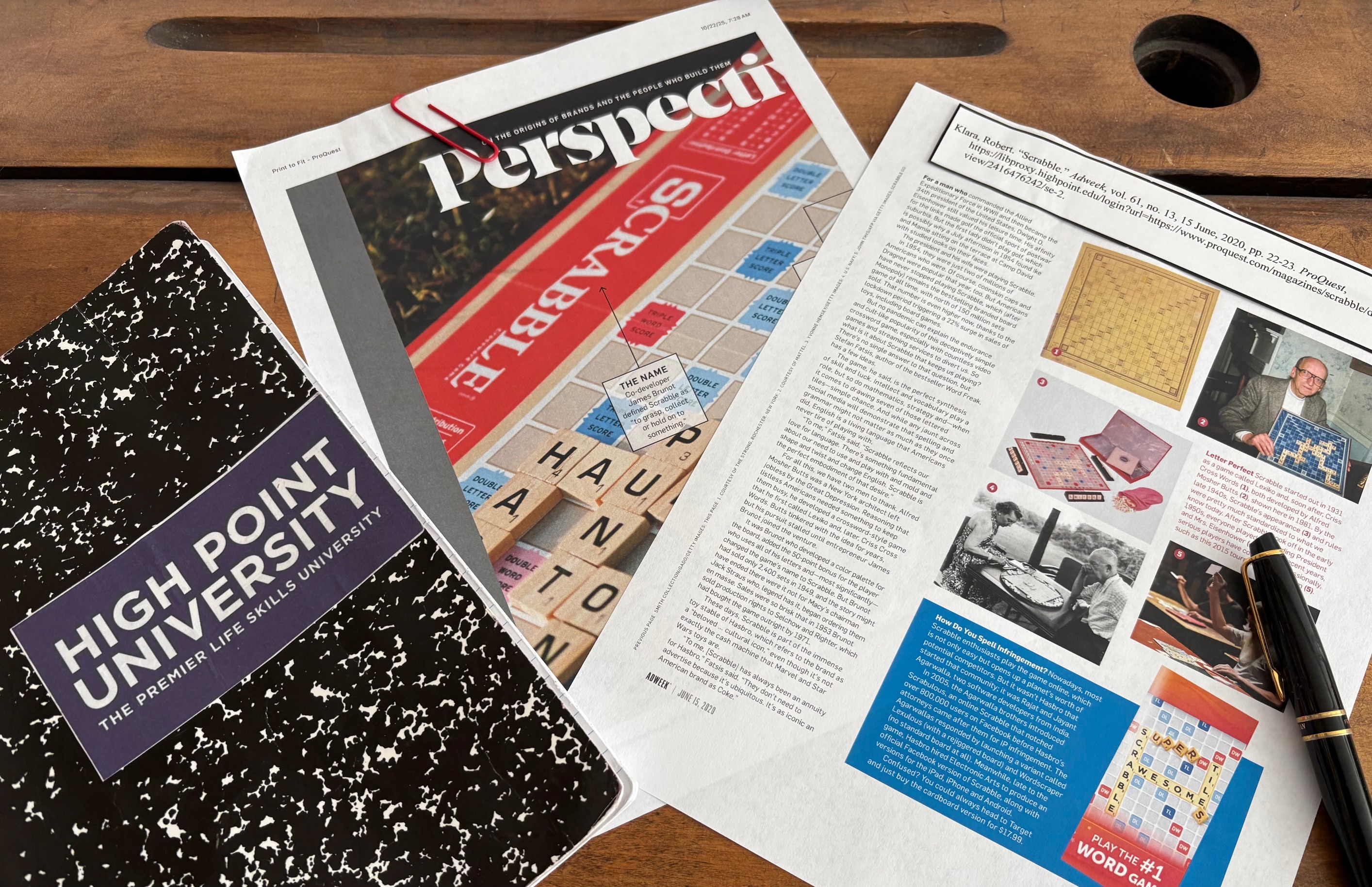
Robert Klara’s “Scrabble”
Yesterday, while you were planning your presentations, I distributed copies of Robert Klara’s article “Scrabble.” If you plan to focus on Scrabble for your final essay and annotated bibliography, Klara’s article will serve as your starting point.
Unlike the articles you read for your presentations, Klara’s does not report on research, though he does quote journalist Stefan Fatsis, author of Word Freak: Heartbreak, Triumph, Genius, and Obsession in the World of Competitive Scrabble Players. Klara’s article also provides historical context.
If you choose Scrabble as the subject for your final essay and annotated bibliography, include among your sources at least one newspaper or magazine article that reports on Scrabble research, or include the original research itself, published as a peer-reviewed article, such as “The World of Competitive Scrabble: Novice and Expert Differences in Visuospatial and Verbal Abilities,” by Diane F. Halpern and Jonathan Wai, available through the HPU Libraries.
Next Up
In class tomorrow, you will deliver your group presentations. Afterward, in the second half of class, you will compose a short essay that reflects on both your own presentation and one by another group.

 Jane Lucas