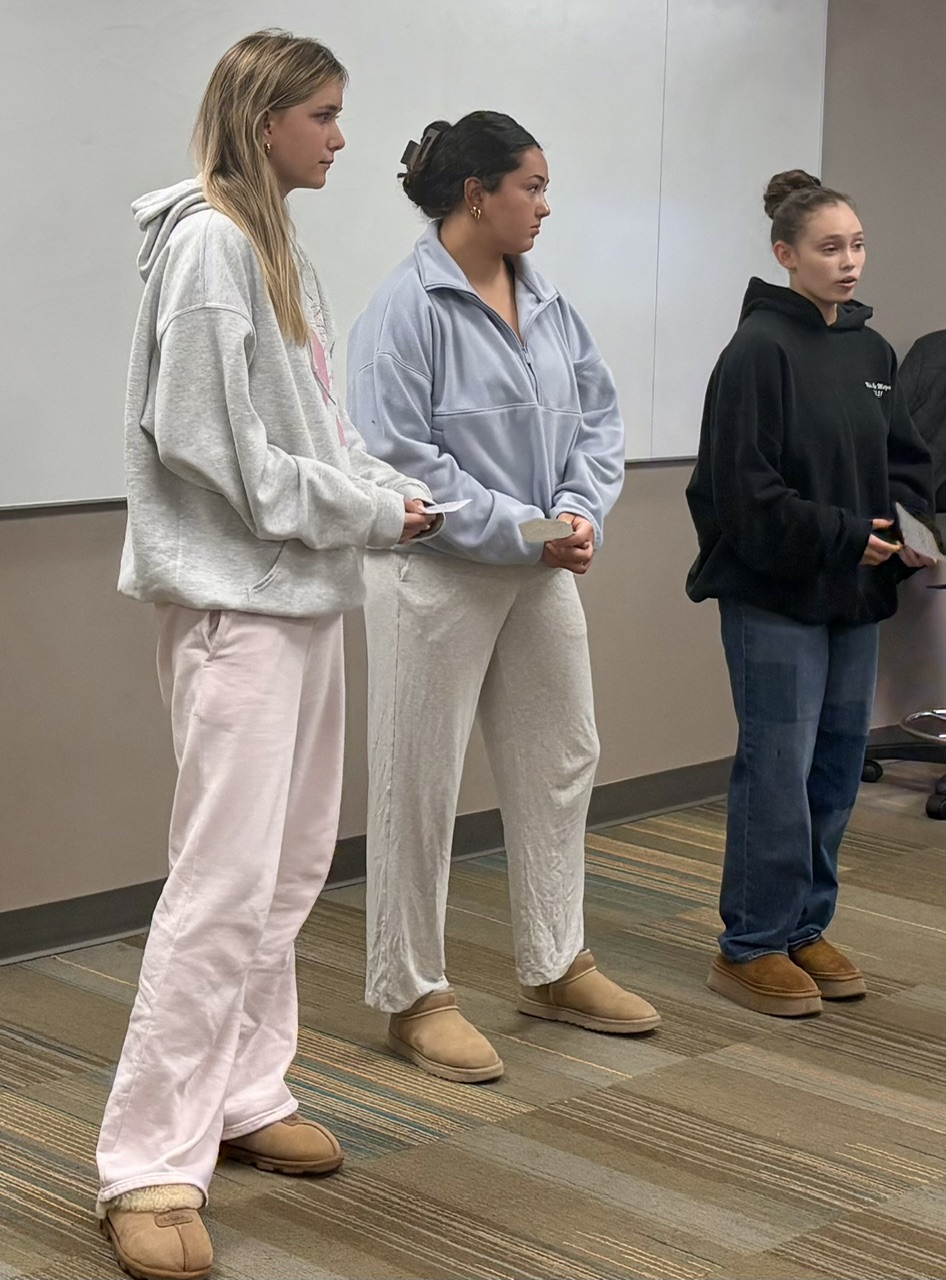
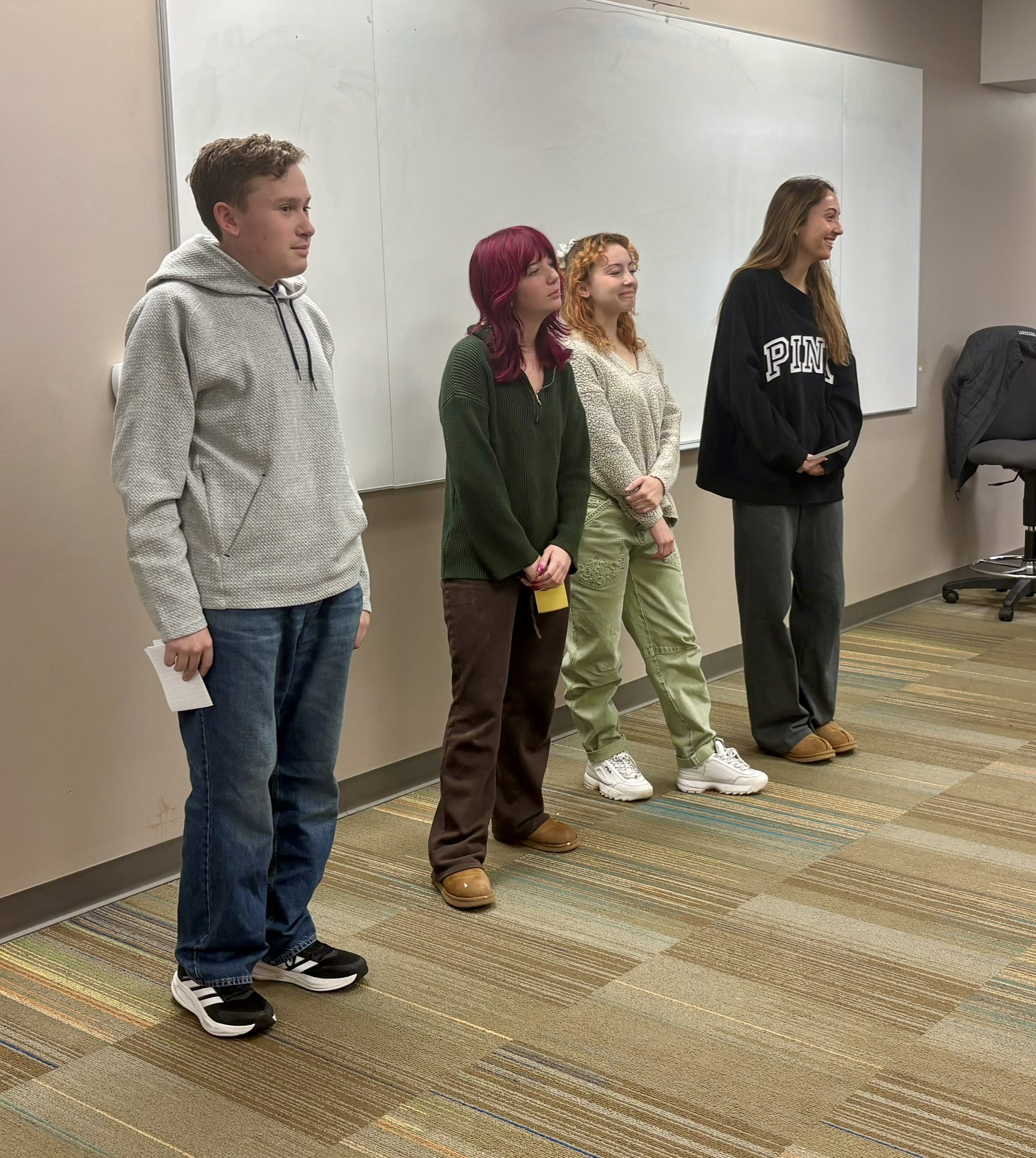
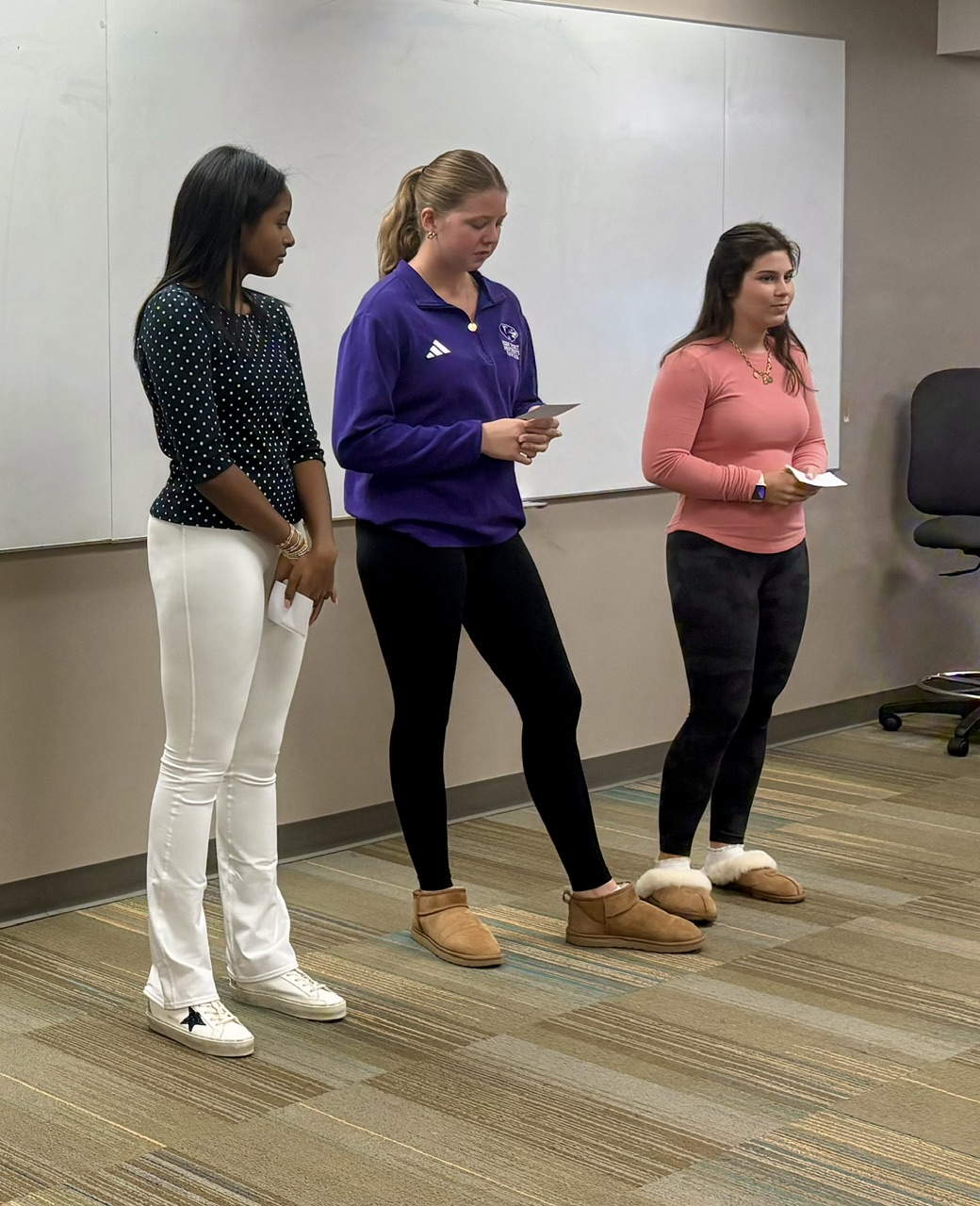
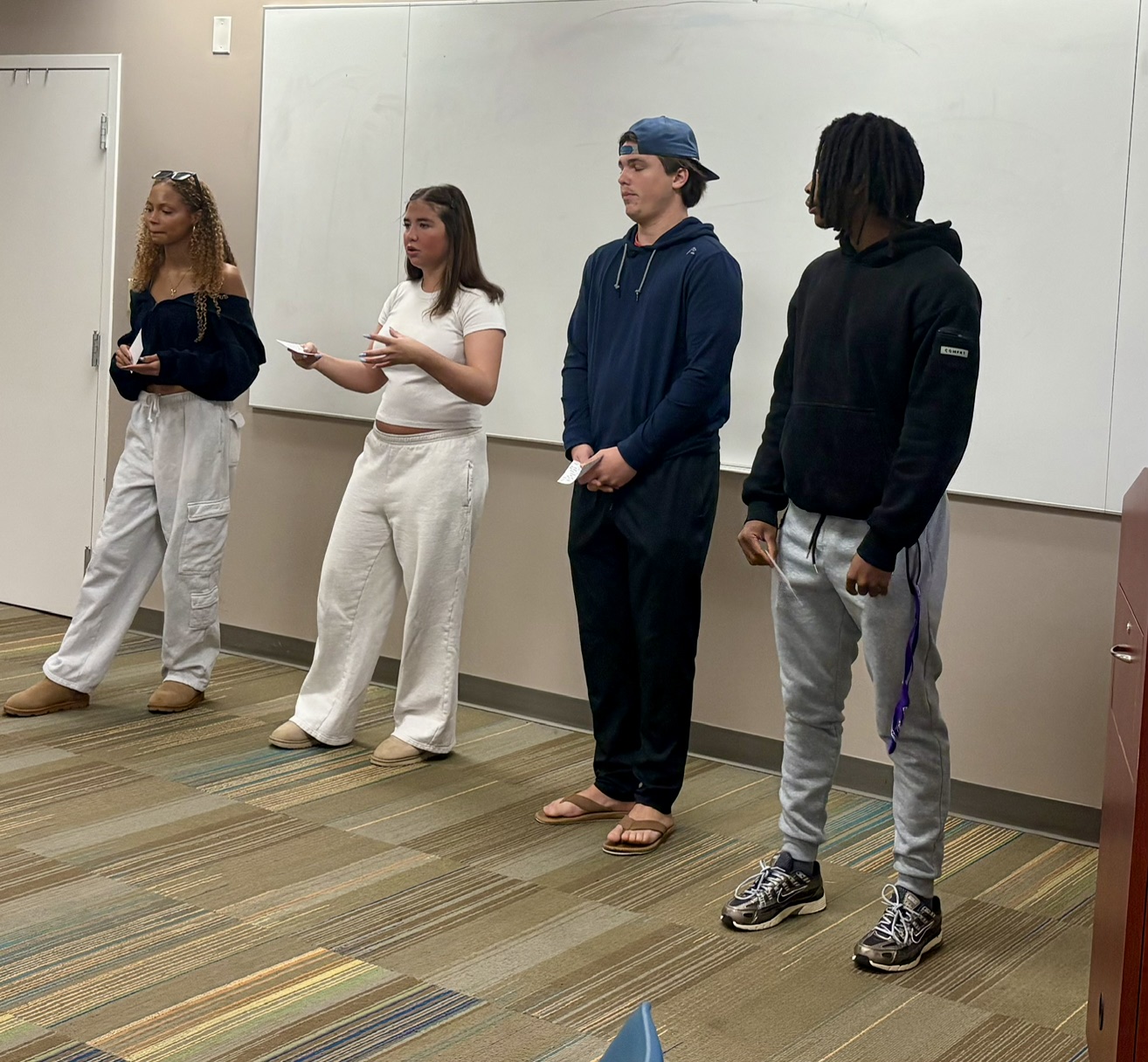
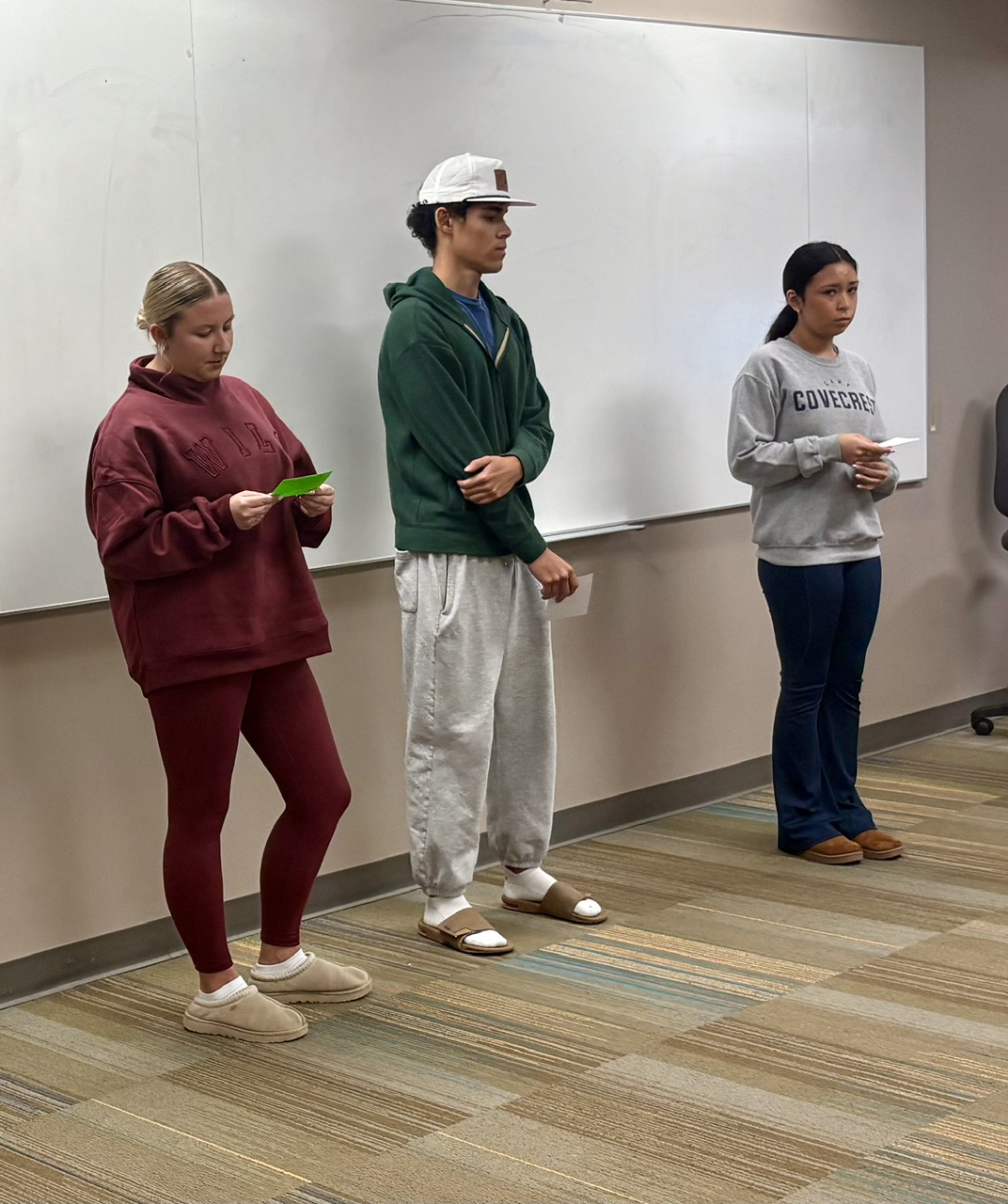
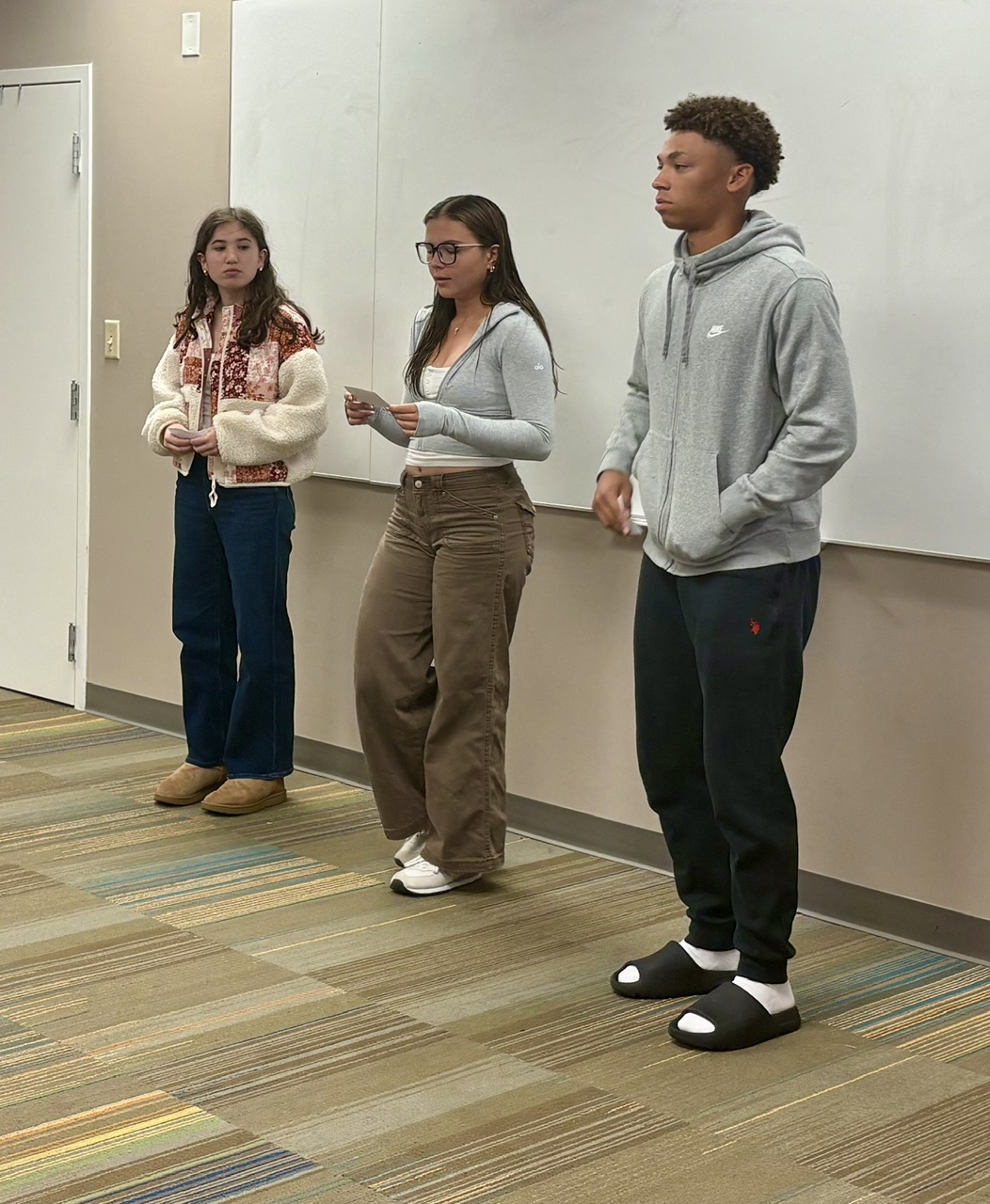
Section 1 (L-R): Claire Jahnke, Grace Duffy, and Kai Jarvis deliver their presentation on Matt Richtel’s “Blogs vs. Term Papers.”
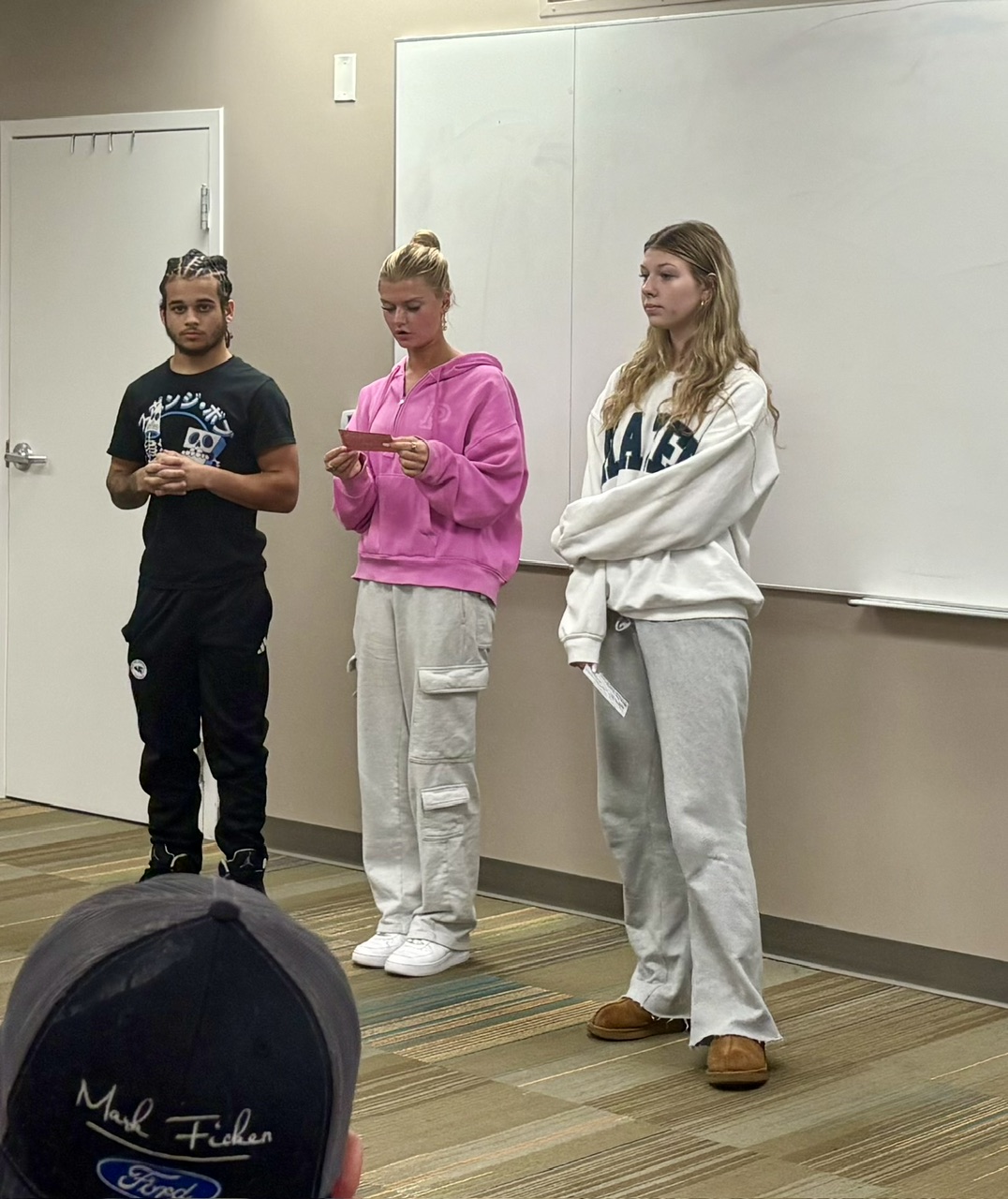
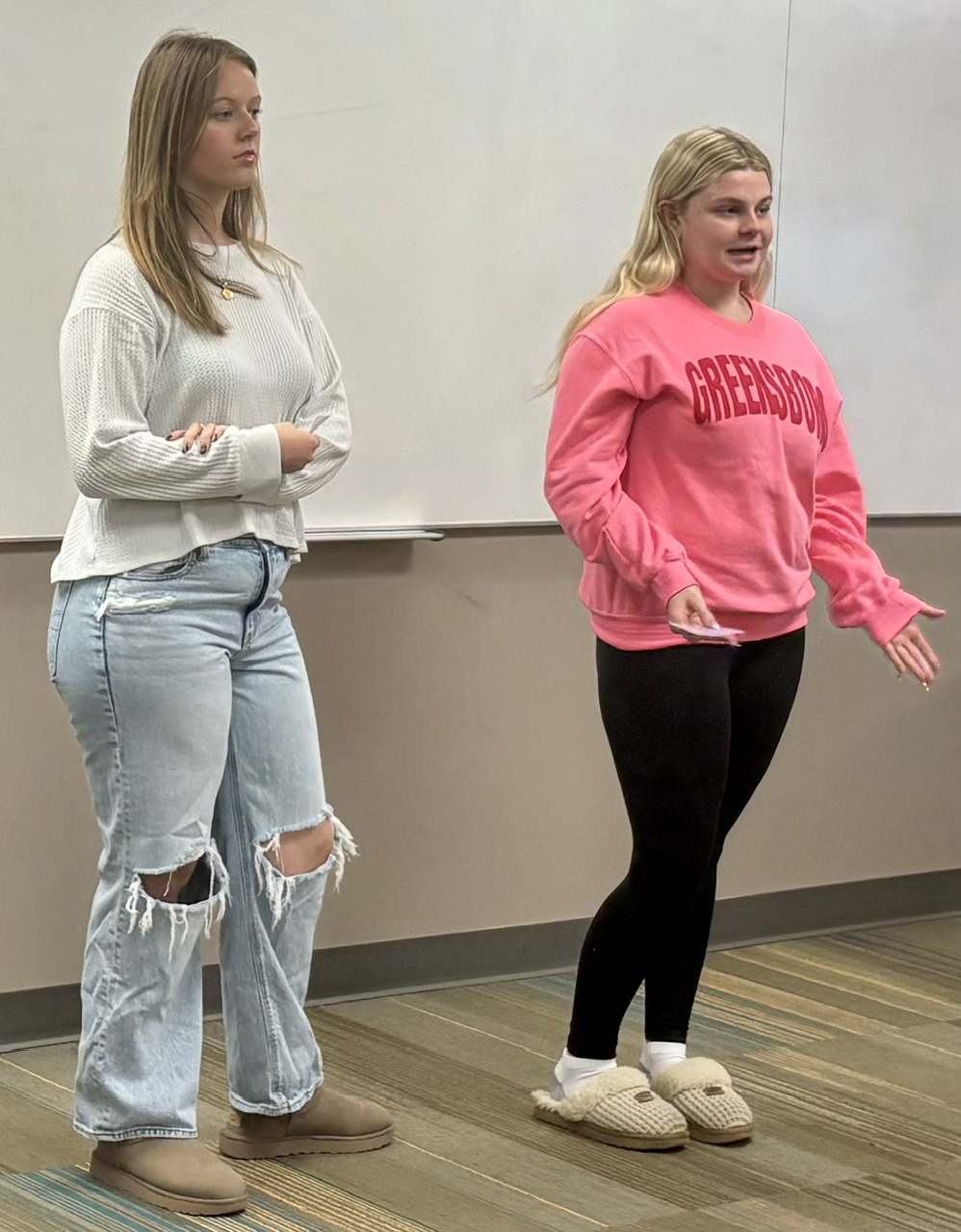
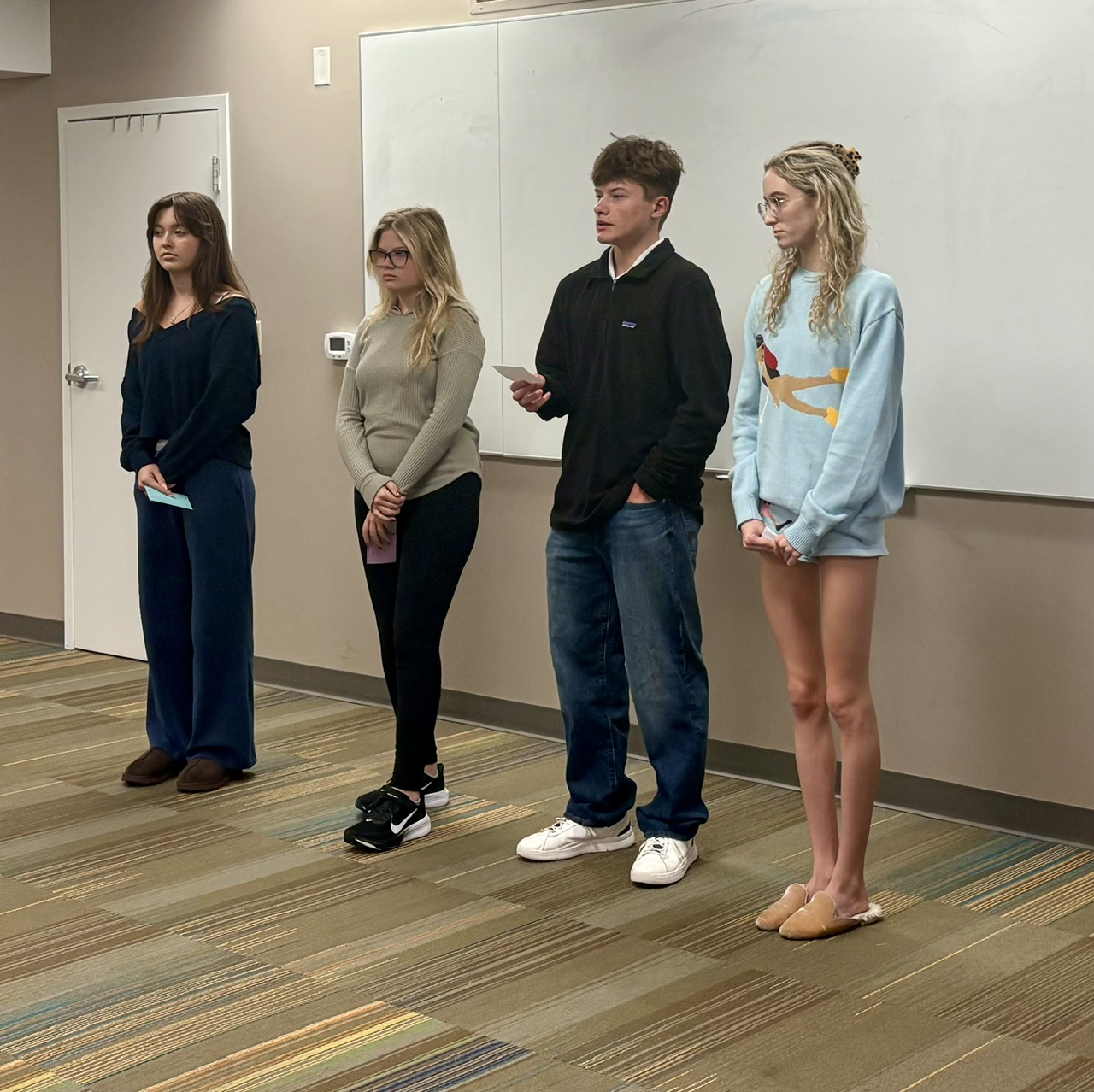
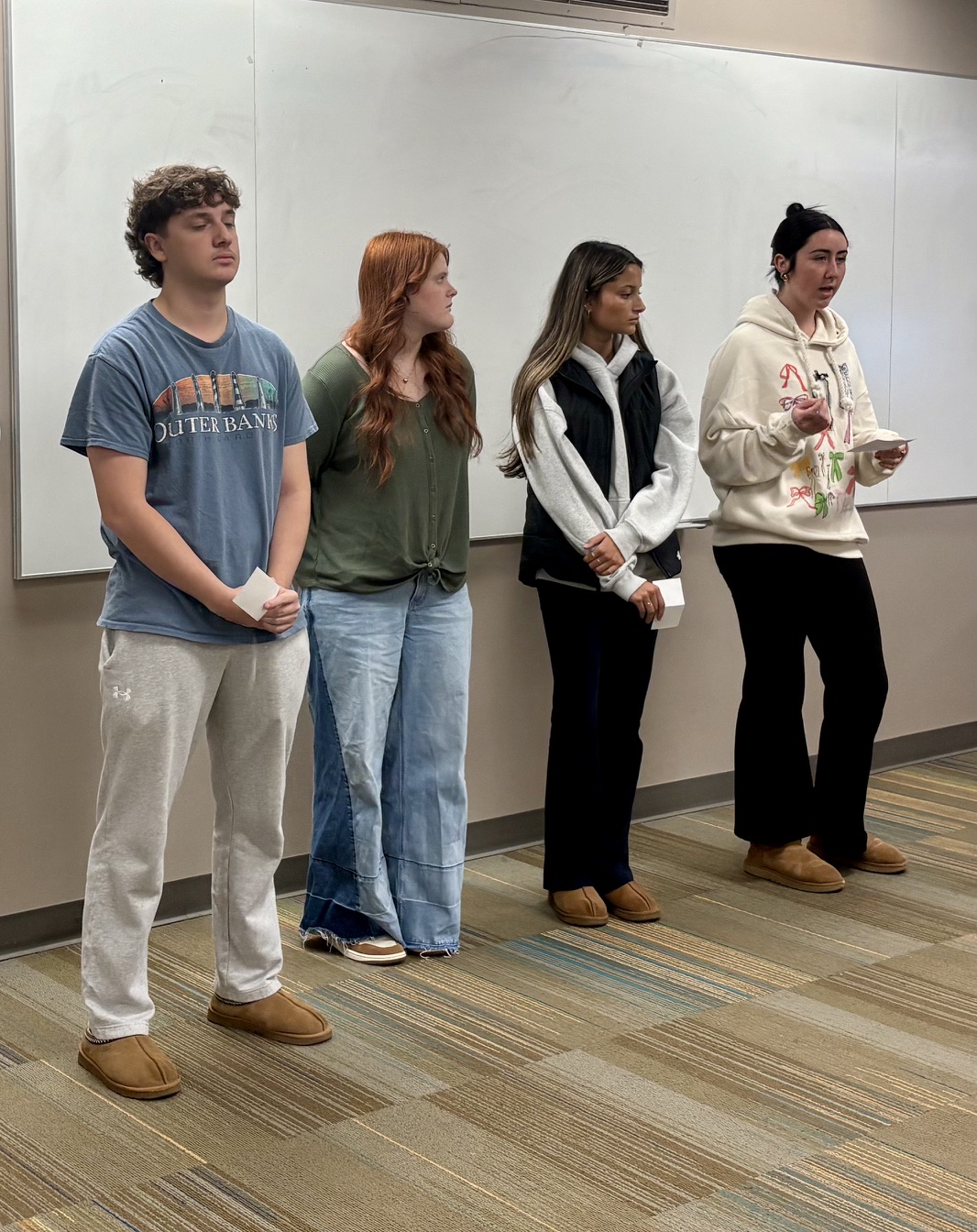
Today’s blog post features images from the group presentations you delivered yesterday. The order of the pictures mirrors the order of the presentations themselves, beginning with the first presentation in section one (above) and ending with the fifth presentation in section eight. Referring to the picture of your group and the picture of the group you address in the third paragraph of your response may help you recall details from the presentations.
Section 1 (L-R): Oliver Henderson, Olivia Lavallee, and Bridgett Murphy deliver their presentation on Charlotte Hu’s “Why Writing By Hand is Better for Memory and Learning.”
Section 1 (L-R): Hayden Porter and Brenna Murphy deliver their presentation on Allison Aubrey’s “A Break from Your Smartphone Can Reboot Your Mood . . .”Section 1 (L-R): Nicole Halucka, Alexis Zavalishin, Ryder Pitek, and Gavin Godfrey-Ryan deliver their presentation on Ulrich Boser’s “Want to Play Scrabble Like a Pro? Here’s Your Memory Trick.”Section 1 (L-R): Will Roberts, Baylee Shattenberg, Madi Stone, and Ken Wadley deliver their presentation on the first chapter of Ted Chiang’s The Lifecycle of Software Objects, Chapter One (62-74).
Section 8 (L-R): Ariana, Foy, Avery Broadbent, and Mackenzie Mossa deliver their presentation on Matt Richtel’s “Blogs vs. Term Papers.”
Section 8 (L-R): Mariah Robinson, Skylar Bowry, Cole Wilhelmsen, and Dev Broomer deliver their presentation on Charlotte Hu’s “Why Writing By Hand is Better for Memory and Learning.”
Section 8 (L-R): Devyn Jones, Ryan Lofton, and Leslie Mendoza Arreola deliver their presentation on Allison Aubrey’s “A Break from Your Smartphone Can Reboot Your Mood . . .”
Section 8 (L-R): Layla Rothberg, Sophia Stewart, and Lance Morgan deliver their presentation on Ulrich Boser’s “Want to Play Scrabble Like a Pro? Here’s Your Memory Trick”
Section 8 (L-R): Zach Roseman, Kathleen Barr, Marisol Moreno, and Vivian Lalliberte deliver their presentation on the first chapter of Ted Chiang’s The Lifecycle of Software Objects, Chapter One (62-74).
Bonus Assignment
The assignment that follows is one that you may complete in addition to your blog comment. It does not replace the comment that you will submit to yesterday’s post, “ENG 1103: Delivering Your Group Presentations.”
Directions
Revise your three-paragraph blog comment to publish as a post, not a comment, on your own blog. Begin by deleting the third paragraph, then develop the first and second paragraphs with details about your portion of the presentation and your group members’ segments. Details will vary among posts but the title and author of the article or novella and the first and last names of your group members are essential.
Include in your post an embeded link to the class notes that feature the group presentation assignment, “ENG 1103: Group Oral Presentations,” or include an embedded link to one or more of your group members’ blogs.
Also, include the image of your group delivering its presentation. To save a copy of that photo to upload to your own blog post, follow these steps: (1) Scroll up the page to your group’s photo, and left-click on the image. (2) Right-click on the expanded image and select the Save image as . . . option.
After you have drafted your post, added the group photo, and embedded a link to one or more of the sites noted above, craft a title that includes the author’s name and/or the title of the work but that isn’t simply the title, the author, or both. For example, your title shouldn’t be “Matt Richtel’s ‘Blogs vs. Term Papers,'” but might be “Speaking of Matt Richtel’s ‘Blogs vs. Term Papers,'” or “Speaking of ‘Blogs vs. Term Papers.'” Those titles include the subject and also include the word speaking, which indicates the oral nature of the assignment.
Once you have added all required elements to your post, publish it. Email me to let me know that your post is published, so I can credit you with the assignment. To receive credit, you must publish your post no later than 4 p.m. on Thursday, October 29.
I look forward to reading your posts.
Next Up
Wordplay Day! To prepare for class, revisit the Merriam-Webster Scrabble Word Finder page, and review your journal notes and the blog posts devoted to Scrabble tips.
Today’s class notes serve as the posting site for the response you will write, addressing both your group’s presentation and one of the other four. (See the directions below.)
Directions
Compose a short piece of writing (two paragraphs, minimum) that reflects on your individual preparation and delivery of your portion of the presentation and your group’s presentation overall. Although you are not required to draft your response longhand in your journal, I encourage you to write it by hand before you type it as a blog comment.
Elements to address include the following:
The roles of your reading and writing: How did the processes of rereading the text and writing and rewriting your remarks contribute to the effectiveness of your delivery?
The introduction of your group members and opening remarks
The examination of points in the article
The conclusion
The cohesiveness of the presentation
Poise, eye contact, and avoidance of filler words
Note that even though you are composing a blog comment, the assignment requires multiple, albeit short, block paragraphs. Use the enter or return key to create a space in the text box.
After you complete your two-paragraph reflection on your group’s presentation, compose an additional paragraph that addresses a presentation by one of the other groups. Choose the one that stands out the most to you. What element or elements of that presentation made it particularly effective and why?
Post your response as a comment on today’s blog post. To receive credit for the assignment, you must post your comment as a reply to today’s post, “ENG 1103: Delivering Your Group Presentations.” To submit your comment, click the title of the post, then scroll down to the bottom. There you will see the image of an airmail envelope with a box for your comment. Type your comment in the box and click Comment. Post your comment by 7:30 a.m. on Wednesday, October 28. I will make your comments visible after the deadline.
Next Up
Wordplay Day! To prepare for class, revisit the Merriam-Webster Scrabble Word Finder page, and review your journal notes and the blog posts devoted to Scrabble tips.
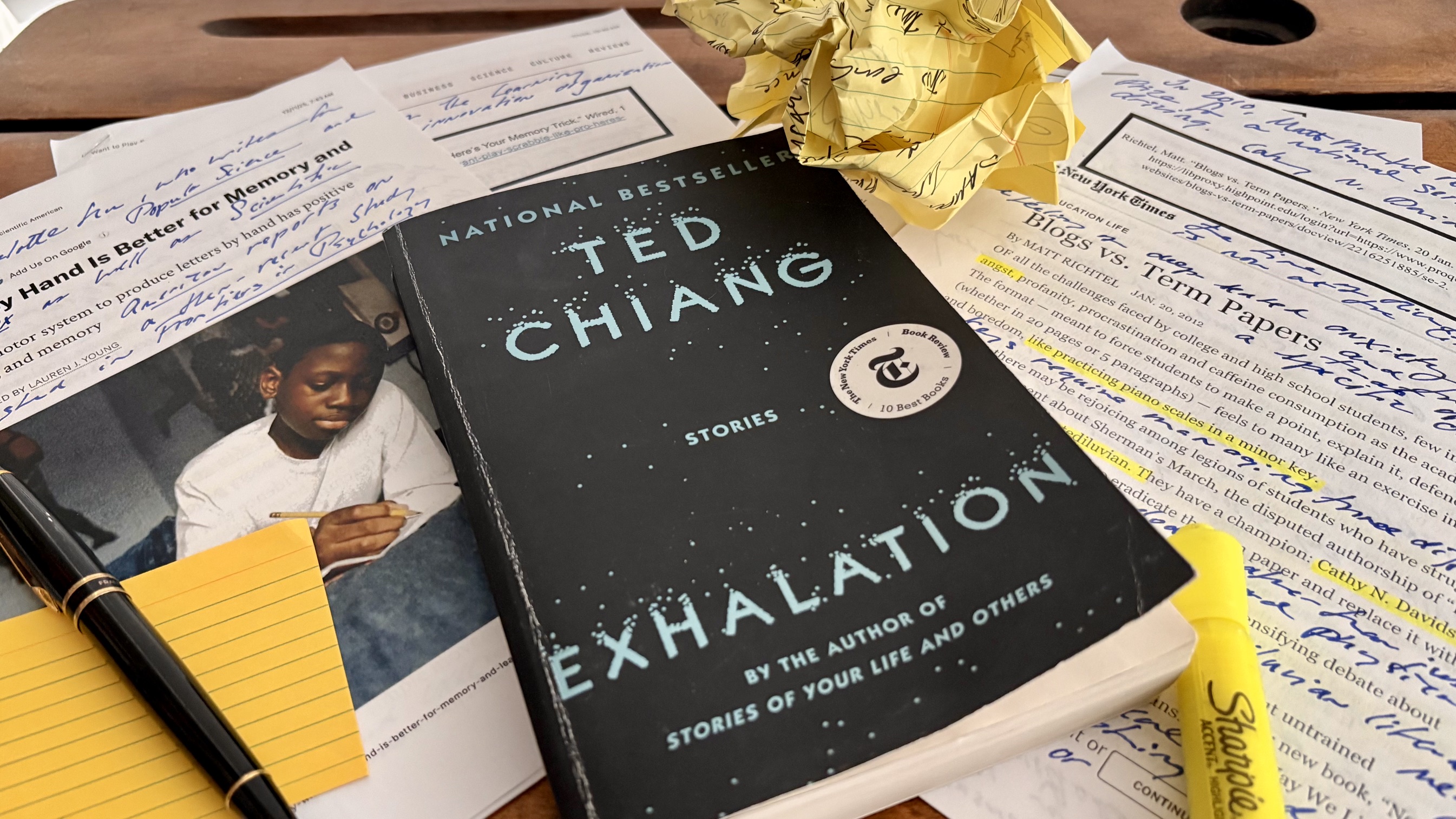
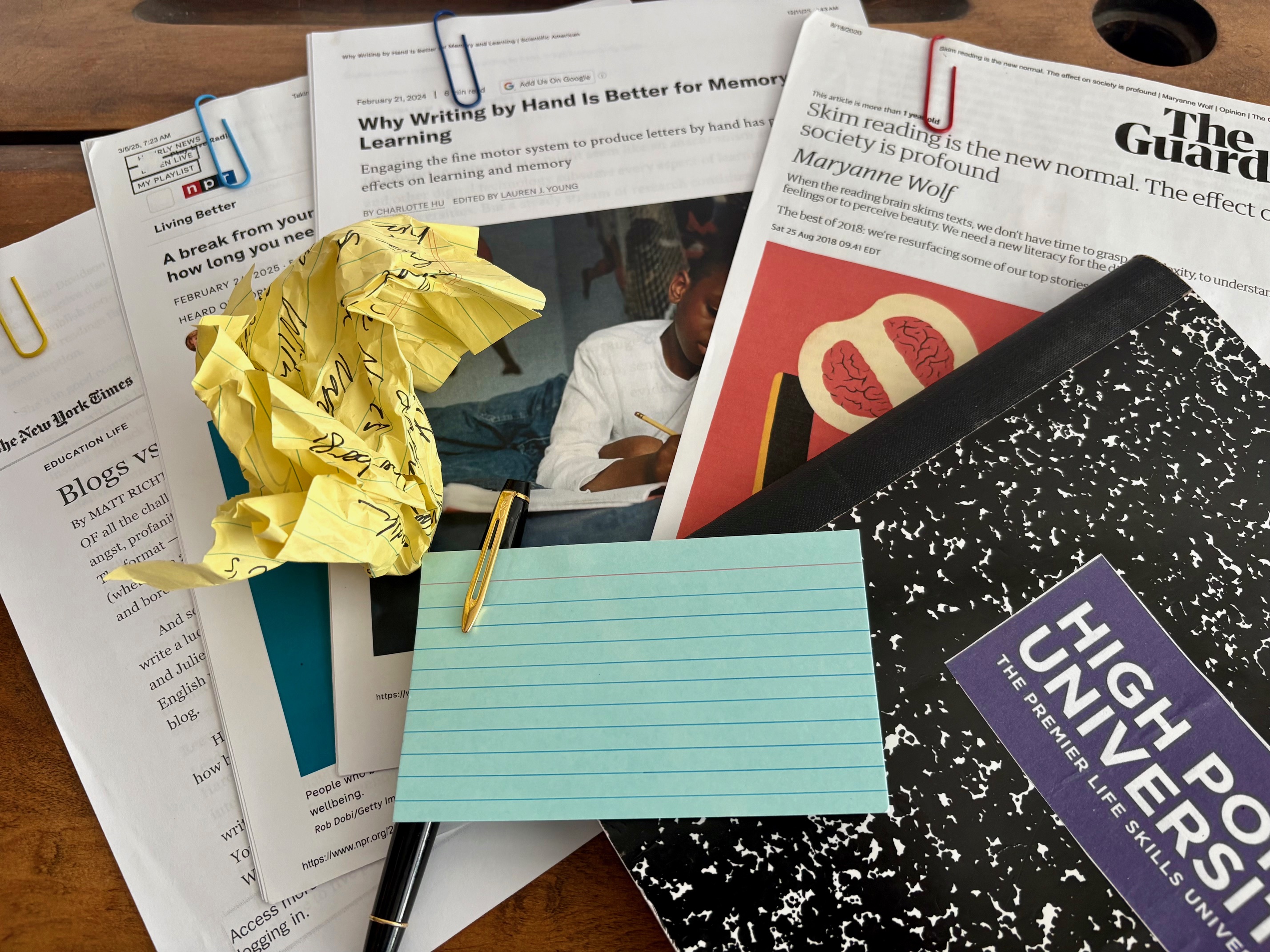
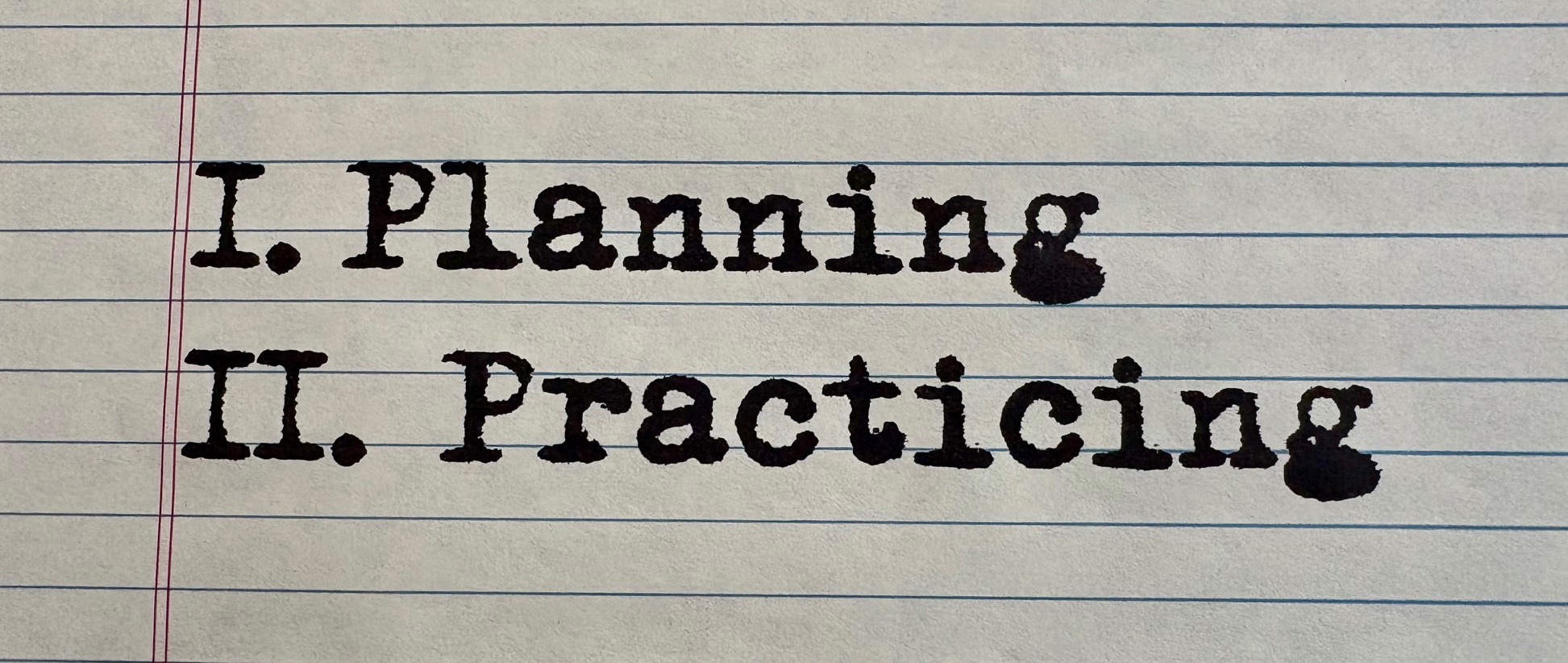
As you continue to prepare for your presentation, be mindful of the valuable roles that reading and writing play in the process. Although the final product is your group’s three-to-four-minute oral presentation, your work began with reading and writing: reading the article or chapter that serves as your subject, and writing the plan that you composed in class yesterday.
Have you reread the article or chapter that serves as your subject? If not, turn back to the text itself at least two more times before Wednesday. Chances are, on a second or third reading, you will notice details you didn’t notice before, ones that you may want to add to your presentation.
In addition to recording key words on your notecard, write out your portion of the presentation in your journal. Though you will not be permitted to have your journal in hand during your presentation, the act of writing down your remarks and rewriting them will help you commit them to memory.
Remember that your notes are limited to a three-by-five notecard, not a four-by-six one, or a standard sheet of paper. If you do not have three-by-five index cards of your own, ask for one at the Circulation-Reserves counter near the main entrance of Smith Library.
As you practice delivering your presentation, minimize the time you look down at your notecard. Your ability to limit those glances will be greater if you spend ample time rereading the text and writing and reviewing your remarks in your journal.
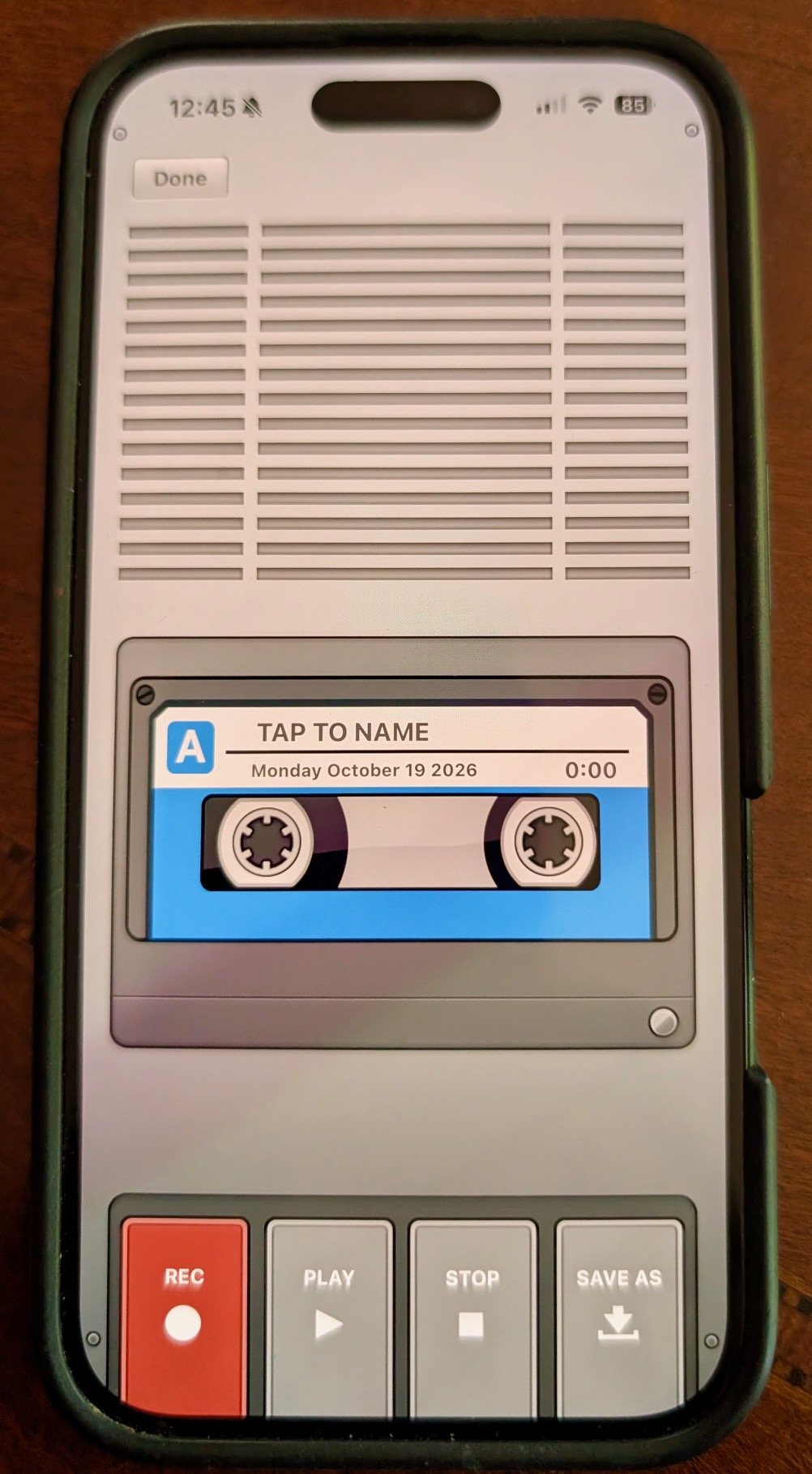
Also, consider recording your presentation remarks and listening to them today and tomorrow morning. The picture above features my iPhone with the Voice Recorder app that I use to memorize lines for roles in plays, something I’ve done four times already in 2026–twice in plays in Greensboro and twice in Winston-Salem. Whenever I’m in rehearsal, I spend as much time as I can listening to my voice speaking my lines. I listen to them on my daily walks in my neighborhood, when I’m driving, and when I’m pedaling on a stationary bike at the gym. Hearing myself speak the words over and over enables me to learn the lines more quickly than I could by simply reveiwing them on the page.
Another strategy to try is psychology professor Bennett Schwartz’s retrieval practice, the subject of Ulrich Boser’s article “Want to Play Scrabble Like a Pro? . . . . .” Try turning away from the written page–and away from the sound of your voice if you record it–and simply ask yourself what words and phrases you recall. The more often you ask yourself, the more you will remember. As Boser notes, “Indeed, it appears that at a very basic neurological level, grappling with material in a dedicated way promotes a type of shifting in our neural circuits–and a richer form of expertise” (par. 21). In the words of Schwartz, himself, “If we process things too easily, they do not form in our memories (qtd. in Boser, par. 21). Memorizing lines is a tedious process, but embracing the process will help you develop into a stronger public speaker.
Next Up
In class tomorrow, you will deliver your group presentation and you will serve as the audience for the other four groups’ presentations. It’s vital that you pay close attention to your classmate’s presentations and take notes on them because you will have a blog comment assignment that will require you to address your own presentation as well as one of the others.
This morning in class, after your Scrabble debriefing, I will distribute your group presentation assignment, and you will have the remainder of the class period to devote to planning the short presentation that you will deliver in class on Wednesday. An additional copy of the assignment is included below.
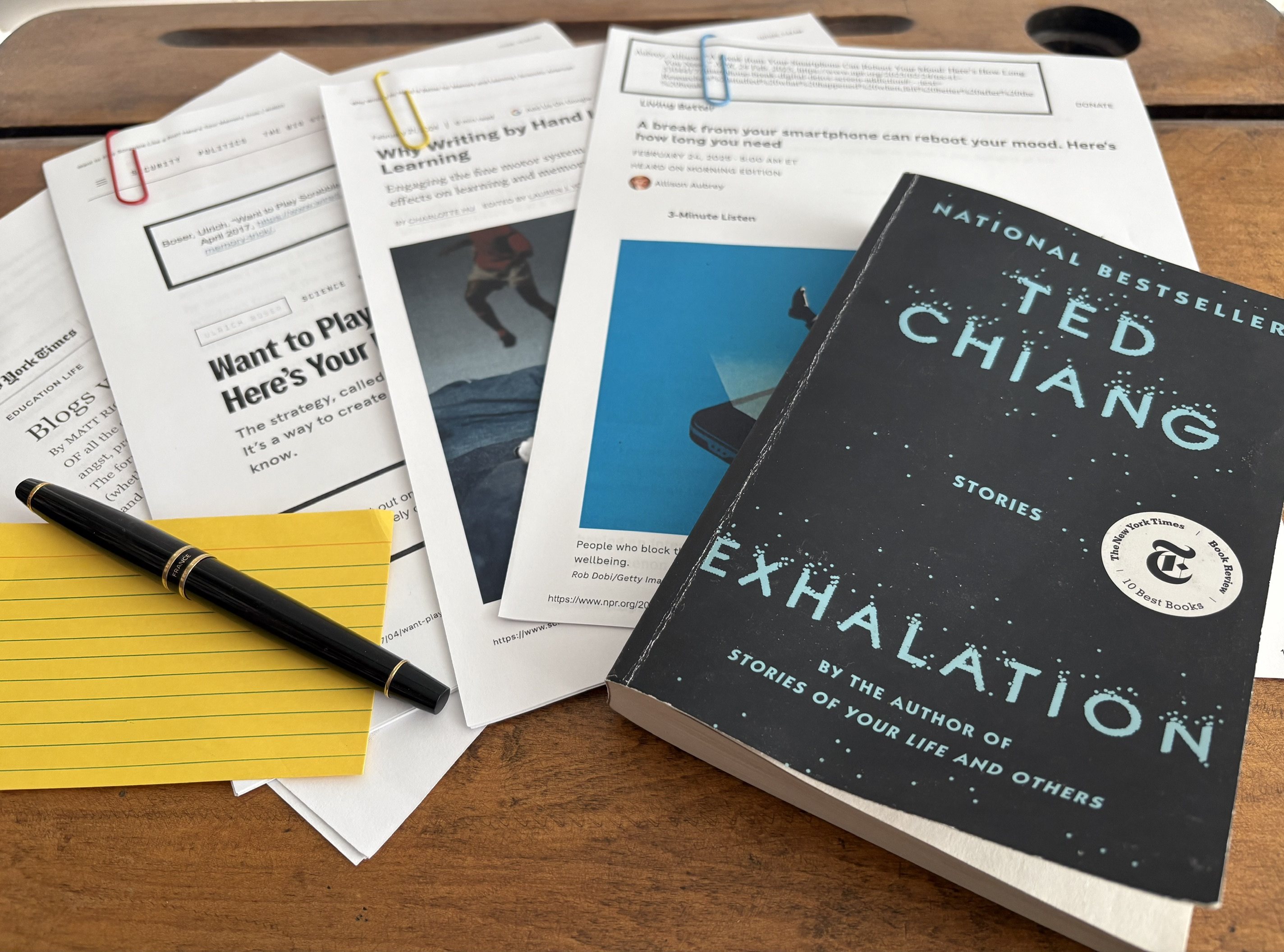
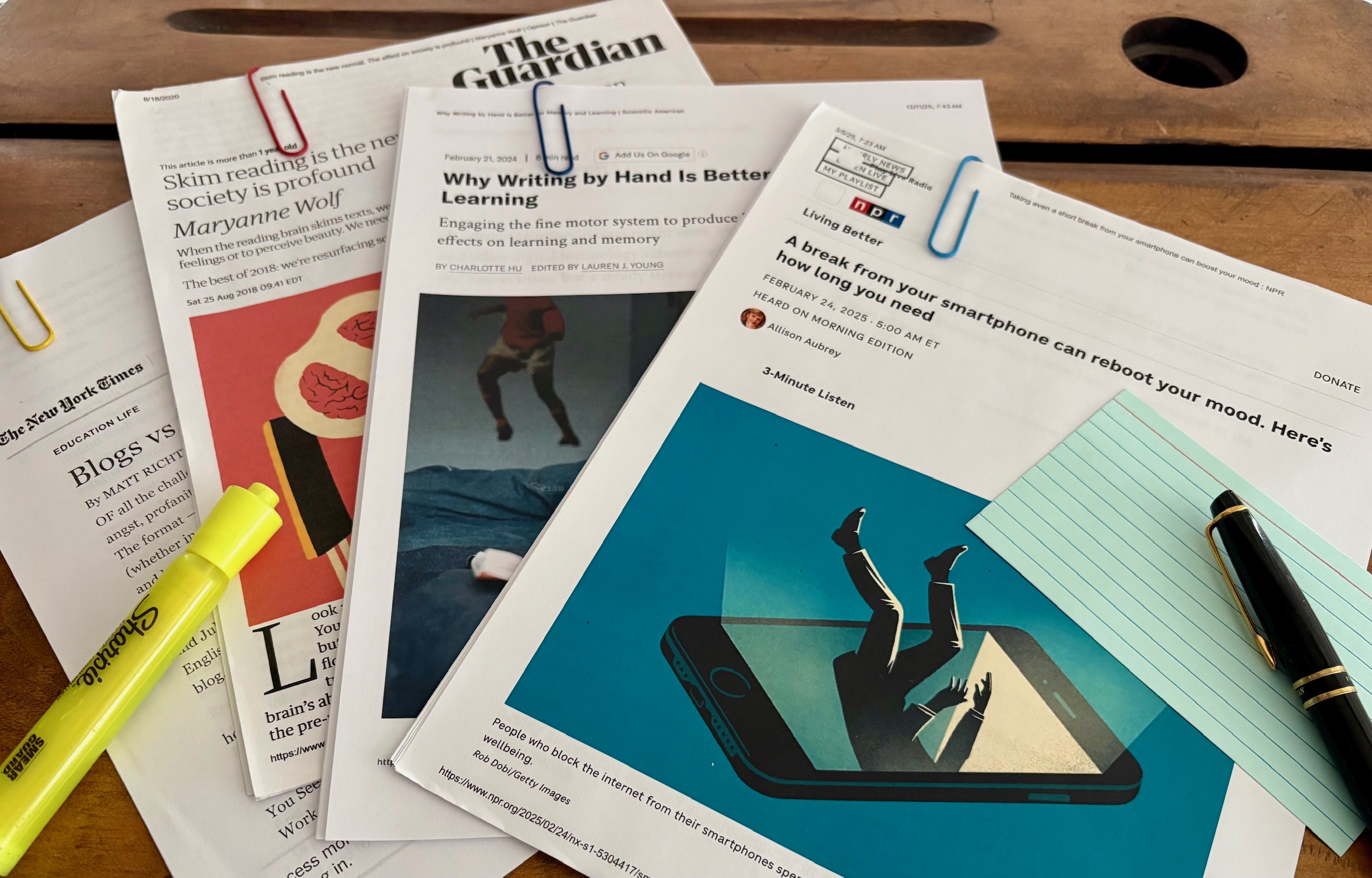
As an exercise in collaboration and oral communication, you and two or three of your classmates will plan, rehearse, and deliver a concise presentation focusing on a reading that focuses on one of the articles distributed in class last week or on the first chapter of Ted Chiang‘s “The Life Cycle of Software Objects” in Exhalation (62-74).
Presentation Assignment Directions
Plan a presentation of three or four minutes, total, that addresses the most significant points covered in your group’s designated reading. (The lists of group assignments and designated readings are included below.)
Include in your presentation the following elements: (1) an introduction that mentions each group member’s first and last name (each group member may introduce himself or herself, or the group may assign one member the responsibility of introducing everyone), the title and author, or authors, of the reading, and a brief overview of the text, (2) A close examination of two or more points in the reading, and (3)) A conclusion that provides closure without restating the introduction and that invites questions. One strategy to consider for your conclusion is to address the relevance of the practice (the subject of your reading) to your work in English 1103, your work in other courses, and/or your life outside of the classroom.
Do not create a digital component, such as a PowerPoint or Google Slides show. You will not be permitted to use any digital devices during your presentation. Instead, you will rely only on a single three-by-five-inch index card with your notes.
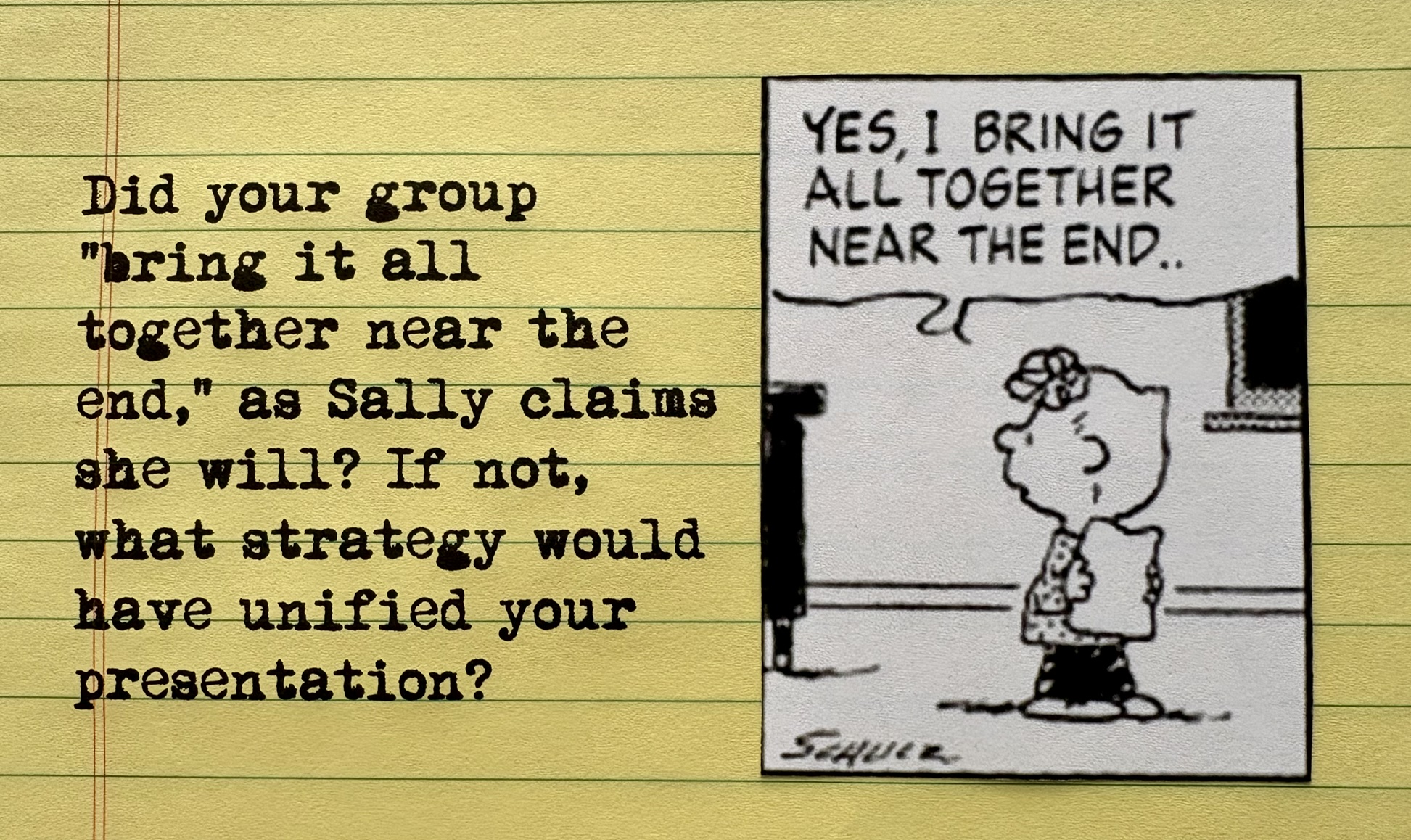
Aim for cohesion. Turning briefly to the previous speaker and addressing him or her by first name, repeating a word or idea of his or hers, and connecting it to your own remarks are ways to unify your presentation. If your presentation seems to be a series of individual talks rather than a single group presentation, it lacks cohesion.
Every group member is not required to speak for the same length of time, but every member is required to deliver a portion of the presentation.
Directions for Rehearsing
In preparation for rehearsing, write your notes on a single three-by-five-inch index card (one card per group member). If your initial notes are written in complete sentences, rewrite them to include only words and short phrases for your key points. If your notes are too detailed, you will risk relying too heavily on them and making minimal eye contact with the audience. Plan to make as much eye contact as possible, and be sure to make eye contact with people throughout the room rather than fixing your eyes on one or two people.
Practice good posture. As you deliver your presentation, your ears should be directly above your shoulders. If you tend to shift your weight from one foot to the other, stand with your feet perpendicular to each other. If you do so, you will not be able to shift your weight from one foot to the other.
Avoid filler words, such as uh, um, like, and you know. If you tend to use filler words, practice pausing at the points where you are likely to use them.
Take turns delivering your portions of the presentation, and offer feedback to your group members. Offer both suggestions for improvement and words of encouragement.
Group Assignments
Section One
“Blogs vs. Term Papers”: Grace Duffy, Claire Jahnke, Kai Jarvis, Sebastian Olander
“Why Writing By Hand is Better for Memory and Learning”: Madison Haugk, Oliver Henderson, Olivia Lavallee, Bridgett Murphy
“A Break from Your SmartphoneCan Reboot Your Mood . . .”: Michael McNamara, Brenna Murphy, Hayden Porter
“Want to Play Scrabble Like a Pro? Here’s Your Memory Trick“: Gavin Godfrey-Ryan, Nicole Halucka, Ryder Pitek, Alexis Zavalishin
“The Lifecycle of Software Objects,” Chapter One (62-74): Will Roberts, Baylee Shattenberg, Madi Stone, Kel Wadley
Section Eight
“Blogs vs. Term Papers”: Avery Broadbent, Parker Davenport, Ariana Foy, Mackenzie Mossa
“Why Writing By Hand is Better for Memory and Learning”: Skylar Bowry, Dev Broomer, Mariah Robinson, Cole Wilhelmsen
“A Break from Your SmartphoneCan Reboot Your Mood . . .”: Devyn Jones, Ryan Lofton, Leslie Mendoza Arreola
“Want to Play Scrabble Like a Pro? Here’s Your Memory Trick“: Rocco Marcello, Lance Morgan, Layla Rothberg, Sophia Stewart
“The Lifecycle of Software Objects,” Chapter One (62-74): Kathleen Barr, Vivian Lalliberte, Marisol Moreno, Zach Roseman
Scrabble Debriefing, Part II
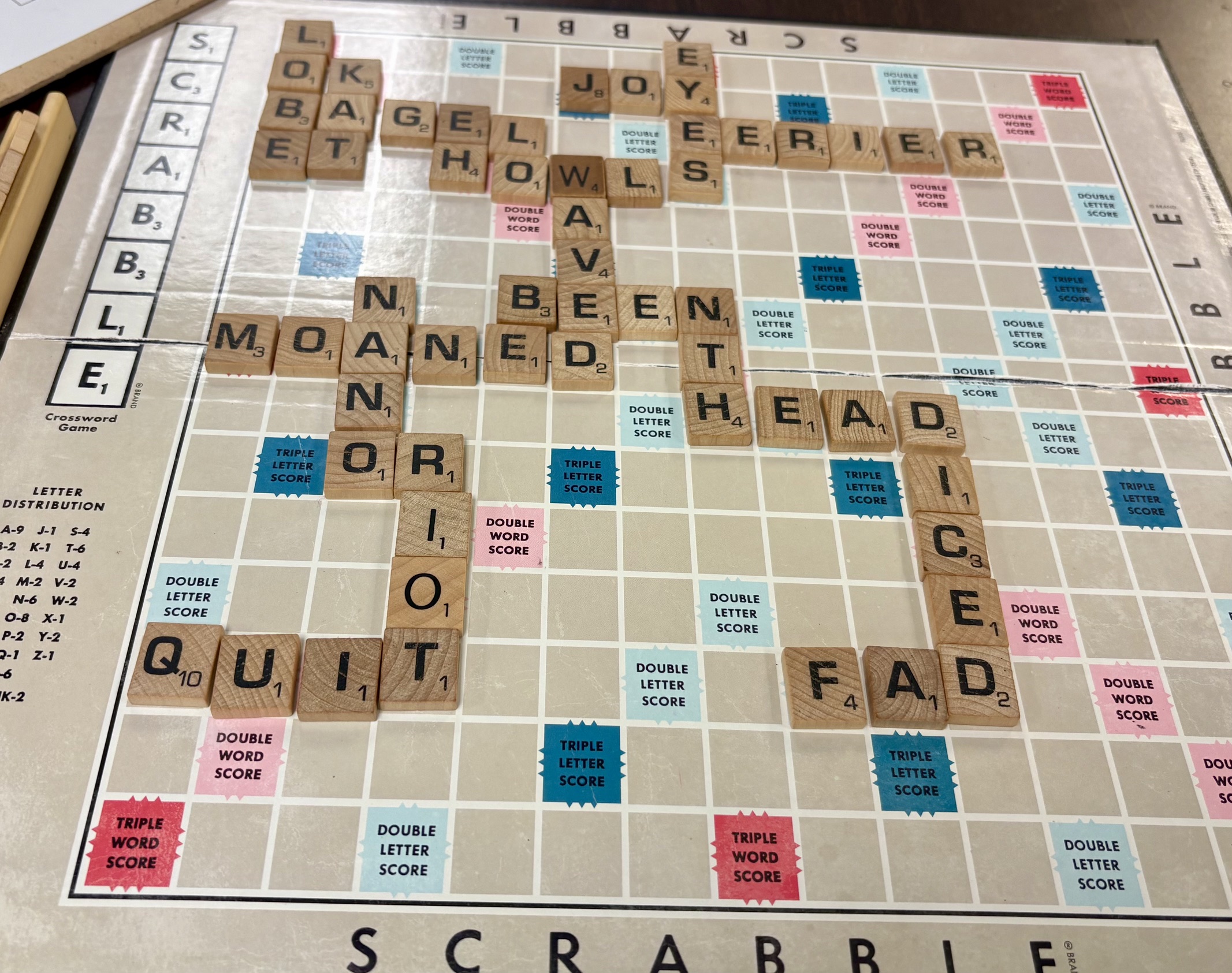
As a follow-up to your Scrabbble games last Friday, consider the plays addressed in commentaries below.
Surf’s Up First, Join Later
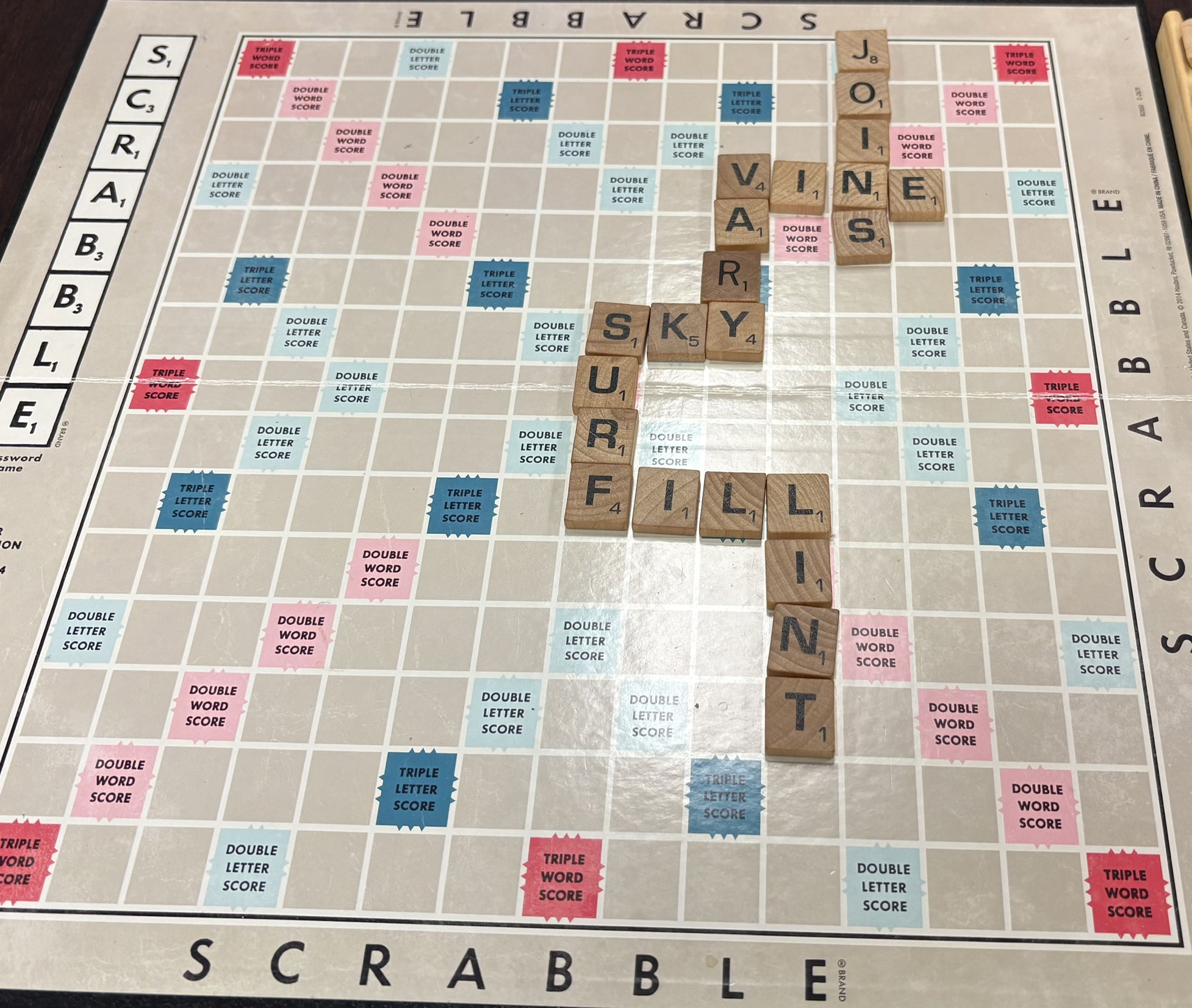
On the board pictured above, the first team began the game with the play of surf for fourteen points. Although surf is an acceptable choice, it isn’t a judicious one. Why would the first team have benefited in the long run from playing only three of the letters in surf for a score twelve? Also, consider the play of join. (The s was added later.)
Playing surf uses one of the four s‘s and one of the four u‘s. If the team’s only vowel was the u, and the team did not have the consonants required to play an all-consonant word, then the team would have no choice but to play the u. However, the team could have avoided using both a u and an s by playing fur for twelve points rather than surf fourteen. Although the opening play of fur would earn fewer points, s is a valuable letter, and seasoned Scrabble players advise not playing one unless you can score at least twenty points.
The play of join placed the j on a double-letter score square, earning the second team an admirable score of nineteen points, but the placement of the j gave the opponents the opportunity to score with a triple-word play, likely one that would earn them more than thirty points. If a team played two blanks and a one-point letter to the right of the j, the triple-word score would be twenty-seven. However, it’s more likley that a team would play three letters worth one or more points each, for a total of thirty-three or more. The first team did not take advantage of that opportunity–and may not have had the letters to do so–but the placement of join did enable them to play zoo for thirty-two points. Later, the second team was able to play jean for the triple-word score of thirty-three.
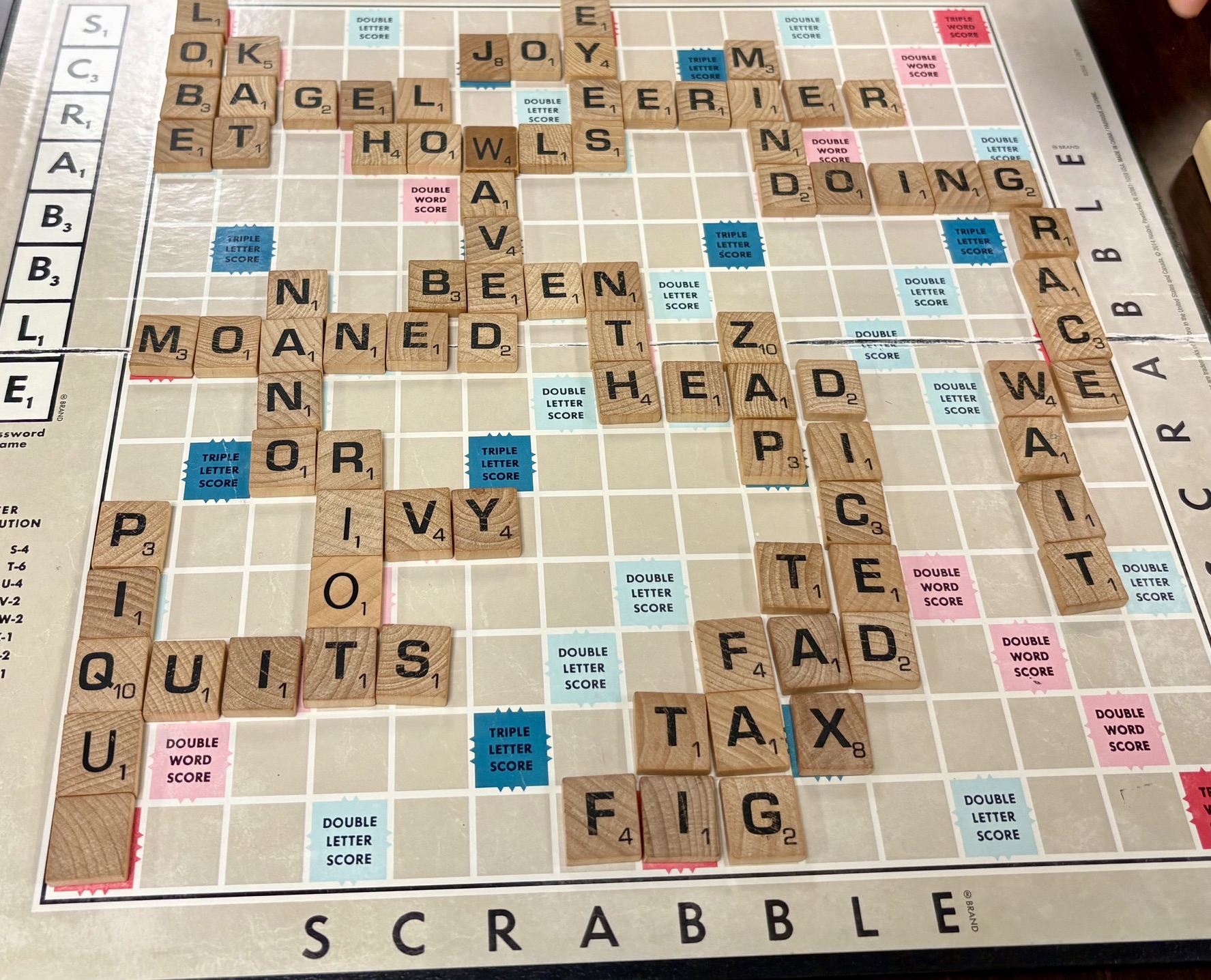
Q Query
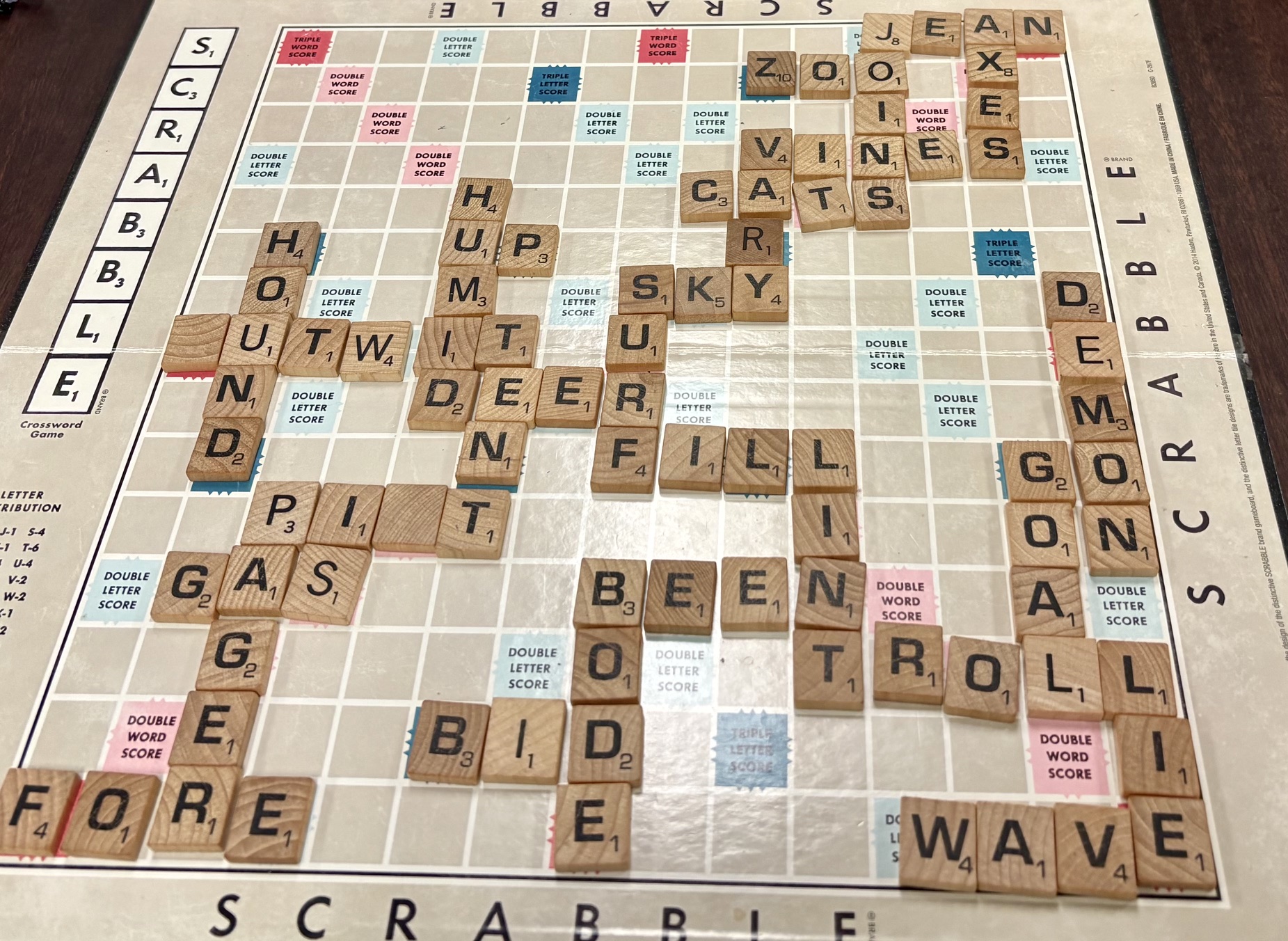
Midway through the game pictured below, the second team played quit for a total of twenty-six points. Although that may have been the highest-scoring play the second team could have made at that point in the game, why would they have been well-advised to hold the q and the u for a later turn?
When the second team played quit in the game pictured above, none of the other three u’s and neither of the blanks had been played, making it very likely that the first team would be able to make a triple-word score play with the q.
Initially, the first team did not have the letters for a triple-word play using the second team’s q. However, a couple of turns later, the first team used a blank for an e to play pique for forty-eight points.
Next Up
In class on Wednesday, you will deliver your group presentations. Afterward, in the second half of class, we will discuss the five readings and consider each as a possible starting point for the research you will conduct in the second half of the semester.
The page featured above, from HPU’s Career and Professional website, notes that “[y]our attire is a form of communication and can influence the impression of your boss, your coworkers and customers about your capabilities and professionalism.”
In The Language of Clothes, Allison Lurie writes: “For thousands of years, human beings have communicated with one another first through the language of dress” (3). As you prepare for your presentation, keep that in mind. We communicate with our clothes first, and what you wear will speak to the audience before you say your first words.
Closely examine the HPU Career and Professional Development page above and the one below. Pay attention not only to the clothes the models are wearing, but also to the accompanying written text.
Consider not only what the models are wearing, but also what they are not wearing. Some of the clothing don’ts are included in the bulleted points.
According to HPU’s Career and Professional Development Center, what should you wear “for nearly all job interviews”?
Other Forms of Nonverbal Communication
Just as we speak with our clothing, we communicate with our posture and gestures. Keep your hands out of your pockets to avoid signaling a variety bad traits:
A lack of trustworthiness. Standing with your hands in your pockets can indicate that you have something to hide.
Poor communication skills. Connecting with your audience involves effective gestures, which require the use of your hands.
A lack of confidence or interest. Keeping your hands in your pockets may be construed as a sign of insecurity or a lack of enthusiasm.
Distractability and an unprofessional manner. You may appear too casual if you are fiddling with items in your pocket, such as keys.
Indolence or arrogance. Audience members may perceive your hands-in-pockets stance as disrespectful
Proper posture is key. As I noted in your presentation assignment handout, your ears should be directly above your shoulders.
Also, do not shift your weight from one foot to the other. If that is a tendency of yours–a distracting habit called rocking the boat–stand with your feet perpendicular to each other. If you do, you will not be able to shift your weight from one foot to the other.
Do not stand with your arms crossed in front of your chest. That is widely perceived as a defensive posture.
When you walk to the front of the room, and when you return to your seat, do not shuffle your feet. Do not shuffle them at any other time, either. Like keeping your hands in your pockets, shuffling can project a lack of confidence. It can also make you more likely to trip, which you would not want to do in an interview. Some people have a tendency to shuffle when they wear such shoes as UGG Scuffettes/Tazzes and Birkenstock Zermatts. If you tend to scuff in your Scuffettes (or the like) be mindful of that tendency, and ask yourself this: Are these the shoes I should wear to my interview?
Verbal Communication
Paying attention to your nonverbal communication should not come at the cost of your verbal communication. Be concise and focused. Do not use filler words, such as um, like, and you know, indicates that you are neither.
Do not mispronounce important by omitting the sound of the first t(im-por-ANT, rather than im-por-TANT). Natural speech can be key to conveying authenticity, but that particular mispronunciation is not a dialect trait; it’s a trendy instance of t-glottalization, which replaces the t sound with a pause or catch in the throat, called a glottal stop. That phenomenon–prevalent almost exclusively among young women–has been popularized by social media and reality TV.
Some interview coaches–and HPU’s Career and Professional Development Center as well–recommend the STAR approach (Situation, Task, Action, and Result) as a method for presenting a point with an illustration. Though you are not required to use the STAR approach, it offers one effective way to show how a particular assignment or aspect of English 1103 demonstrates your qualifications.
Lurie, Allison. The Language of Clothes. Random House, 1981.
Kudos
Students who attended last Tuesday’s High-PURCS and completed the online assignment for the event not only showed their support for other High Point students’ scholastic endeavors but also took advantage of the opportunity to view poster displays and to hear discussions that may inspire ideas for their own projects. These classmates attended High-PURCS:
Jermaine Cain
Madison Davis
Sofia Marin
Kudos to Jermaine, Madison, and Sofia. For their initiative, they have a earned a bonus assignment credit.
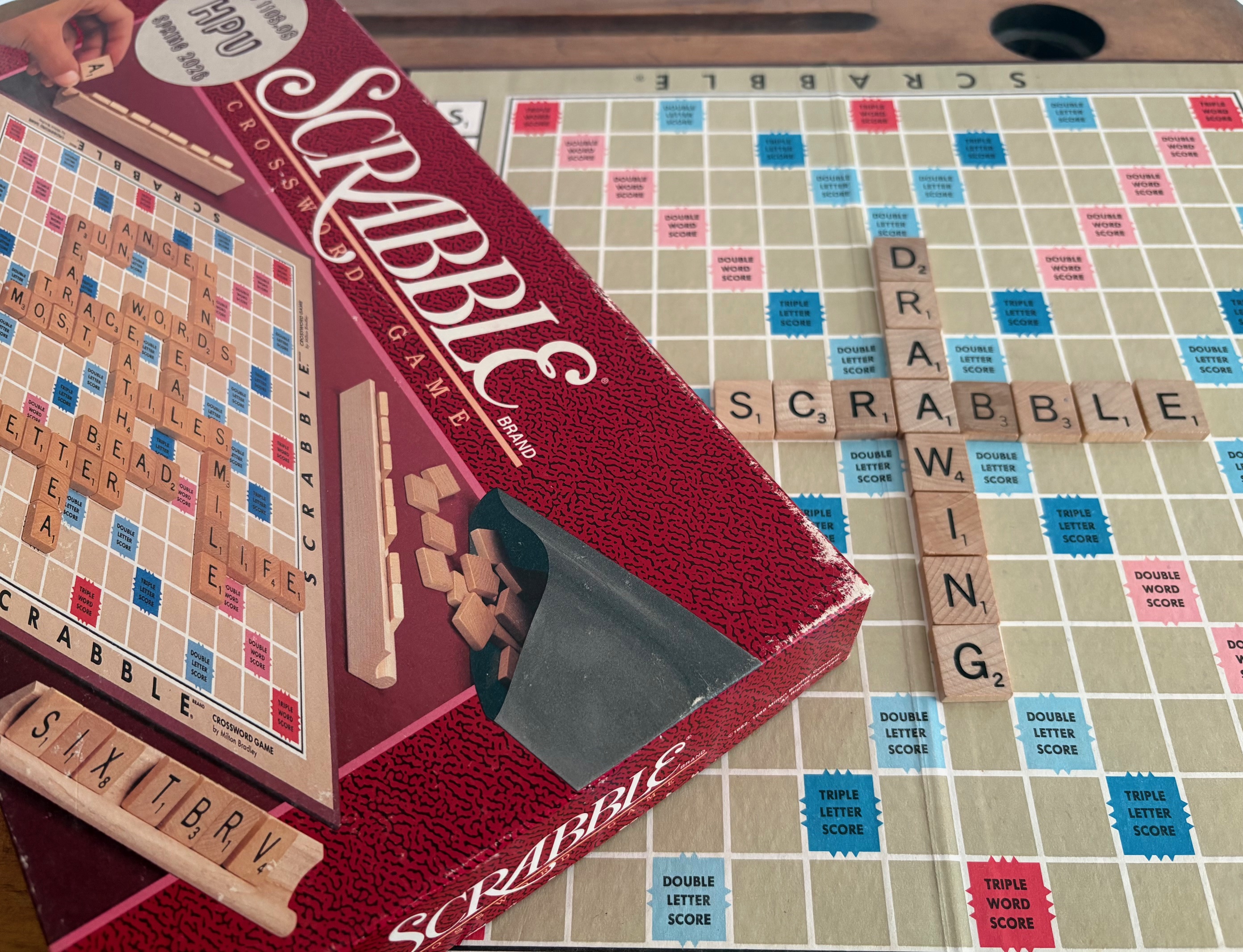
Our final Wordplay Day of the semester will include a drawing for the vintage Scrabble game pictured above.
Bonus Assignment
Even though the images of the models in today’s blog post are featured in a guide for interviewing, some of the models’ stances are don’ts for interviewees. What are those stances, and why are they interview don’ts?
Directions
Determine which of the models’ stances are interview don’ts.
Compose a comment of one complete sentence or more that identifies the stances and notes why they are frowned upon in interviews. You do not need to include all the reasons. One for each stance will suffice.
Post your comment as a reply to this blog entry no later than 9 a.m. tomorrow, Wednesday, April 22. (To post your comment, click on the post’s title, and scroll down to the bottom of the page. You will then see the image of an airmail envelope with a leave comment option.)
I will approve your comments (make them visible) after tomorrow’s deadline.
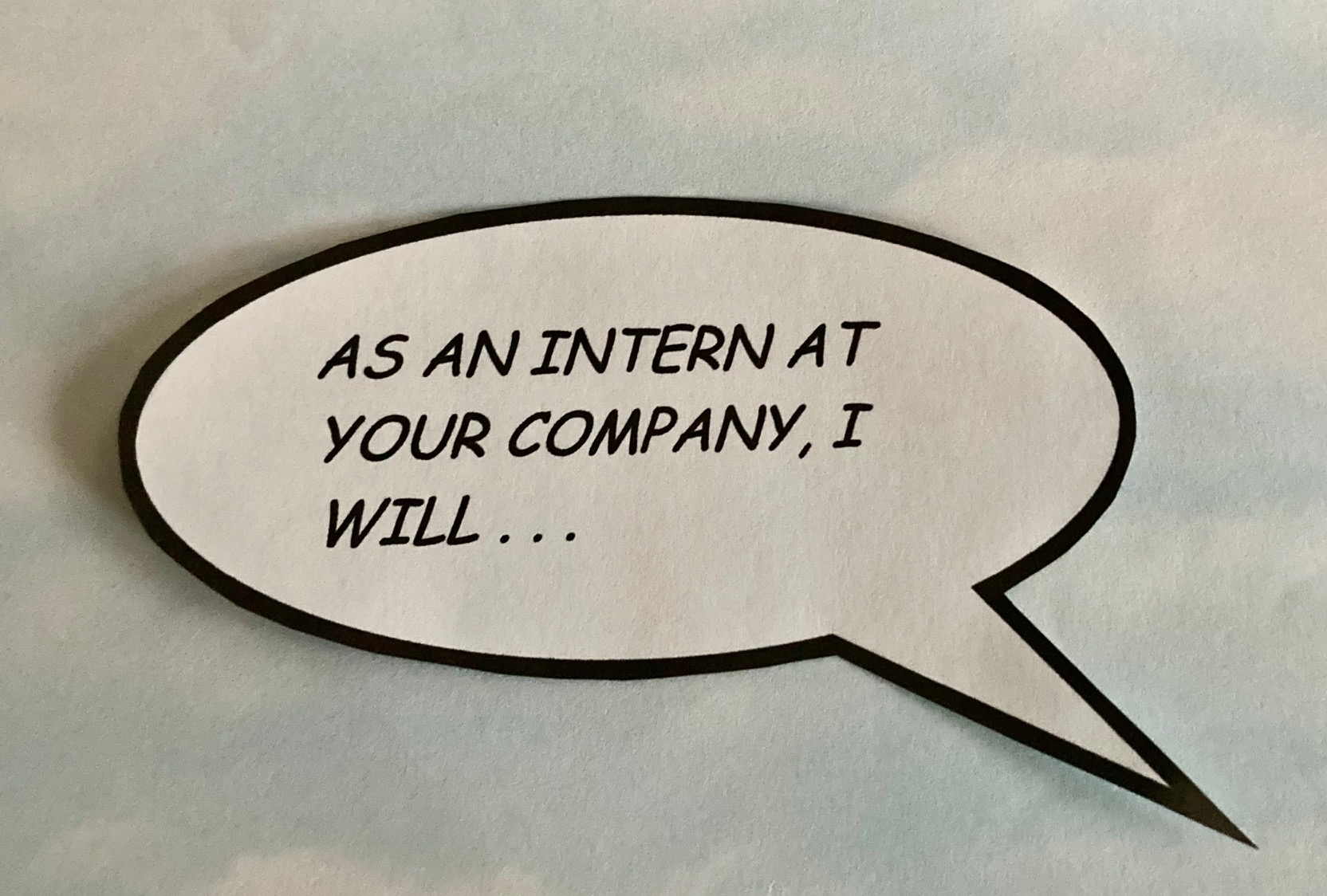
This morning in class, you will receive the assignment for the individual presentation that you will deliver during the exam period. An additional copy is posted on Blackboard, and the directions are also included below.
Overview
As a finalist for a much-sought-after internship in your field, you are required to deliver a concise and engaging presentation that highlights your achievements in English 1103 and demonstrates your ability to effectively assume the responsibilities that the internship requires of you. Among the aspects of the course that you should address are one or more of your major writing assignments and the development of your critical thinking and collaboration skills. You are encouraged but not required to address additional aspects of the course.
Directions for Planning
Plan a brief presentation of approximately three minutes that highlights your achievements in English 1103 and demonstrates your ability to effectively assume the responsibilities that the internship in your field requires of you.
Address one or more of your major writing assignments and the development of your critical thinking and collaboration skills. You are encouraged but not required to address additional aspects of the course.
Include the following in your presentation:
An opening in which you state your first and last names and your major,
Details from your experiences in the course that illustrate the development of your writing, your critical thinking, and your collaboration skills
A close examination of one pertinent passage in your blog, and
A conclusion that provides closure and invites questions from the interview committee.
Look for presentation tips in tomorrow’s class notes.
Directions for Rehearsing
In preparation for rehearsing, write your notes on index cards. If your notes are in complete sentences, rewrite them to include only words and short phrases for your key points. If your notes are too detailed, you will risk relying heavily on them and making minimal eye contact with the interview committee. Make as much eye contact as possible and be sure to make eye contact with committee members throughout the room rather than fixing your eyes on one or two people.
Because you are required to project your blog on the classroom screen, you should familiarize yourself with the presentation station. Demonstrating that you are not adept at using the technology required for your presentation may jeopardize your chances for obtaining the internship. If you have not used the presentation station, I encourage you to devote part of today’s class period to familiarizing yourself with its setup.
Practice good posture. As you deliver your presentation, your ears should be directly above your shoulders. If you tend to shift your weight from one foot to the other—a distracting habit that’s sometimes called rocking the boat—stand with your feet perpendicular to each other. If you do, you will not be able to shift your weight from one foot to the other.
Avoid filler words, such as um, like, and you know. If you tend to use filler words, practice pausing at the points where you are likely to use fillers.
Optional: Rehearse with a classmate. Take turns delivering your presentations and offering feedback. Offer both suggestions for improvement and words of encouragement.
In class this morning, you will also receive a checklist for your WordPress blog. An additional copy appears below.
Blog Checklist
You will have the first half of class and the first few minutes of the second half to plan your presentation and edit your blog. In the remainder of the class period, you will compose a summary (one paragraph, minimum) of the work you completed. Will include specific examples of the details you plan to include in your presentation and/or changes you made to one or more of your blog posts.
This morning, in the first half of class, you and your classmates will deliver your group presentations. Keep in mind that when you are not presenting, you will still play a vital role in class as an audience member. Pay close attention to the other three presentations. Jot occasional notes in your journal, but don’t keep your head down for a substantial length of time. Making eye contact with the speakers and nodding your head are gestures that will convey your appreciation for your classmates’ efforts.
In the second half of class, we will look back at the four articles that served as your subjects, and you will compose reflections. Directions for your reflections are included below.
Directions
Compose a short piece of writing (two paragraphs, minimum) that reflects on your individual preparation and delivery of your portion of the presentation and your group’s presentation overall. Elements to address include the following:
The roles of your reading and writing: How did the processes of rereading the text and writing and rewriting your remarks contribute to the effectiveness of your delivery?
The introduction of your group members and opening remarks
The examination of points in the article
The conclusion
Poise, eye contact, and avoidance of filler words
The group’s cohesiveness
After you have reflected on your group’s presentation, compose an additional paragraph that addresses a presentation by one of the other groups. Choose the one that stands out the most to you. What element or elements of that presentation made it particularly effective and why?
As you continue to prepare for your presentation, be mindful of the valuable roles that reading and writing play in the process. Although the final product is your group’s three-to-four-minute oral presentation, your work began with reading and writing: reading the article that serves as your subject, and writing the plan that you composed in class yesterday.
Have you thoroughly reread the article that serves as your subject? If not, turn back to the text itself at least two more times before Wednesday. Chances are, on a second or third reading, you will notice details you didn’t notice before, ones that you may want to add to your presentation.
In addition to recording key words on your notecard, write out your portion of the presentation in your journal. Though you will not be permitted to have your journal in hand during your presentation, the act of writing down your remarks and rewriting them will help you commit them to memory.
As you practice delivering your presentation, be sure to limit the time that you look down at your notecard and your copy of the reading. Your ability to limit those glances will be greater if you spend ample time rereading the text and writing and reviewing your remarks in your journal.
Robert Klara’s “Scrabble”
Yesterday, while you were planning your presentations, I distributed copies of Robert Klara’s article “Scrabble.” If you plan to focus on Scrabble for your final essay and annotated bibliography, Klara’s article will serve as your starting point.
Unlike the articles you read for your presentations, Klara’s does not report on research, though he does quote journalist Stefan Fatsis, author of Word Freak: Heartbreak, Triumph, Genius, and Obsession in the World of Competitive Scrabble Players. Klara’s article also provides historical context.
If you choose Scrabble as the subject for your final essay and annotated bibliography, include among your sources at least one newspaper or magazine article that reports on Scrabble research, or include the original research itself, published as a peer-reviewed article, such as “The World of Competitive Scrabble: Novice and Expert Differences in Visuospatial and Verbal Abilities,” by Diane F. Halpern and Jonathan Wai, available through the HPU Libraries.
Next Up
In class tomorrow, you will deliver your group presentations. Afterward, in the second half of class, you will compose a short essay that reflects on both your own presentation and one by another group.
This morning in class, after your Scrabble debriefing, I will distribute your group presentation assignment, and you will have the remainder of the class period to devote to planning the short presentation that you will deliver in class on Wednesday. An additional copy of the assignment is included below.
As an exercise in collaboration and oral communication, you and three or four of your classmates will plan, rehearse, and deliver a concise presentation focusing on a reading that addresses one of the practices implemented in the course. If you were absent when copies of the articles were distributed (see the titles in the group assignments below), download and print copies from the Blackboard readings folder.
Presentation Assignment Directions
Plan a presentation of three or four minutes, total, that addresses the most significant points covered in your group’s designated reading. (The lists of group assignments and designated readings are included below.)
Include in your presentation the following elements: (1) an introduction that mentions each group member’s first and last name (each group member may introduce himself or herself, or the group may assign one member the responsibility of introducing everyone), the title and author, or authors, of the reading, and a brief overview of the text, (2) A close examination of two or more points in the reading, and (3)) A conclusion that provides closure without restating the introduction and that invites questions. One strategy to consider for your conclusion is to address the relevance of the practice (the subject of your reading) to your work in English 1103, your work in other courses, and/or your life outside of the classroom.
Do not create a digital component, such as a PowerPoint or Google Slides show. You will not be permitted to use any digital devices during your presentation. Instead, you will rely only on a single three-by-five-inch index card with your notes and your paper copy of the reading.
Aim for cohesion. Turning briefly to the previous speaker and addressing him or her by first name, repeating a word or idea of his or hers, and connecting it to your own remarks are ways to unify your presentation. If your presentation seems to be a series of individual talks rather than a single group presentation, it lacks cohesion.
Every group member is not required to speak for the same length of time, but every member is required to deliver a portion of the presentation.
Directions for Rehearsing
In preparation for rehearsing, write your notes on a single three-by-five-inch index card (one card per group member). If your initial notes are written in complete sentences, rewrite them to include only words and short phrases for your key points. If your notes are too detailed, you will risk relying too heavily on them and making minimal eye contact with the audience. Plan to make as much eye contact as possible, and be sure to make eye contact with people throughout the room rather than fixing your eyes on one or two people.
Practice good posture. As you deliver your presentation, your ears should be directly above your shoulders. If you tend to shift your weight from one foot to the other, stand with your feet perpendicular to each other. If you do so, you will not be able to shift your weight from one foot to the other.
Avoid filler words, such as uh, um, like, and you know. If you tend to use filler words, practice pausing at the points where you are likely to use them.
Take turns delivering your portions of the presentation, and offer feedback to your group members. Offer both suggestions for improvement and words of encouragement.
Group Assignments
“Blogs vs. Term Papers”: Avery Clark, Madison Davis, Sofia Marin, Travis Pecararo
“Skim Reading is the New Normal”: Zach Dick, Nicole Marin, Tommy McHugh, Elise Claire Palmisano, Davis Smith
“Why Writing By Hand is Better for Memory and Learning”: Nick Beeker, Jermaine Cain, Izzie McLawhorn, Sierra Welch
“A Break from Your SmartphoneCan Reboot Your Mood . . .”: Aidan Berlin, Marcus Gerhardt, Ewan Paterson, Dylan Virga
Grade Criteria
An A presentation includes all elements outlined in the directions for planning and rehearsing and demonstrates the group members’ poise and ability to avoid filler words.
A B presentation includes all elements outlined in the directions for planning and rehearsing but may be marred by group members’ lack of poise and/or inability to avoid filler words.
A C presentation includes most but not all elements outlined in the directions for planning and rehearsing and may also be marred by group members’ lack of poise and/or inability to avoid filler words.
A D presentation includes only some elements outlined in the directions for planning and rehearsing and may also be marred by group members’ lack of poise and/or inability to avoid filler words.
An F presentation includes few if any elements outlined in the directions for planning and rehearsing and may also be marred by group members’ lack of poise and/or inability to avoid filler words.
Next Up
In class on Wednesday, you will deliver your group presentations. Afterward, in the second half of class, you will compose a short essay that reflects on both your own presentation and one by another group, one that was notable for its strengths.
This morning in the first half of class, you will deliver your group presentations, and in the second half, you will compose reflections. Directions for your reflections are included below.
Directions
Compose a short piece of writing (two paragraphs, minimum) that reflects on your individual preparation and delivery of your portion of the presentation and your group’s presentation overall. Elements to address include the following:
The roles of your reading and writing: How did the processes of rereading the text and writing and rewriting your remarks contribute to the effectiveness of your delivery?
The introduction of your group members and opening remarks
The examination of points in the article or textbook
The conclusion
Poise, eye contact, and avoidance of filler words
After you complete your reflection on your group’s presentation, compose an additional paragraph that addresses a presentation by one of the other groups. Choose the one that stands out the most to you. What element or elements of that presentation made it particularly effective (or not) and why?