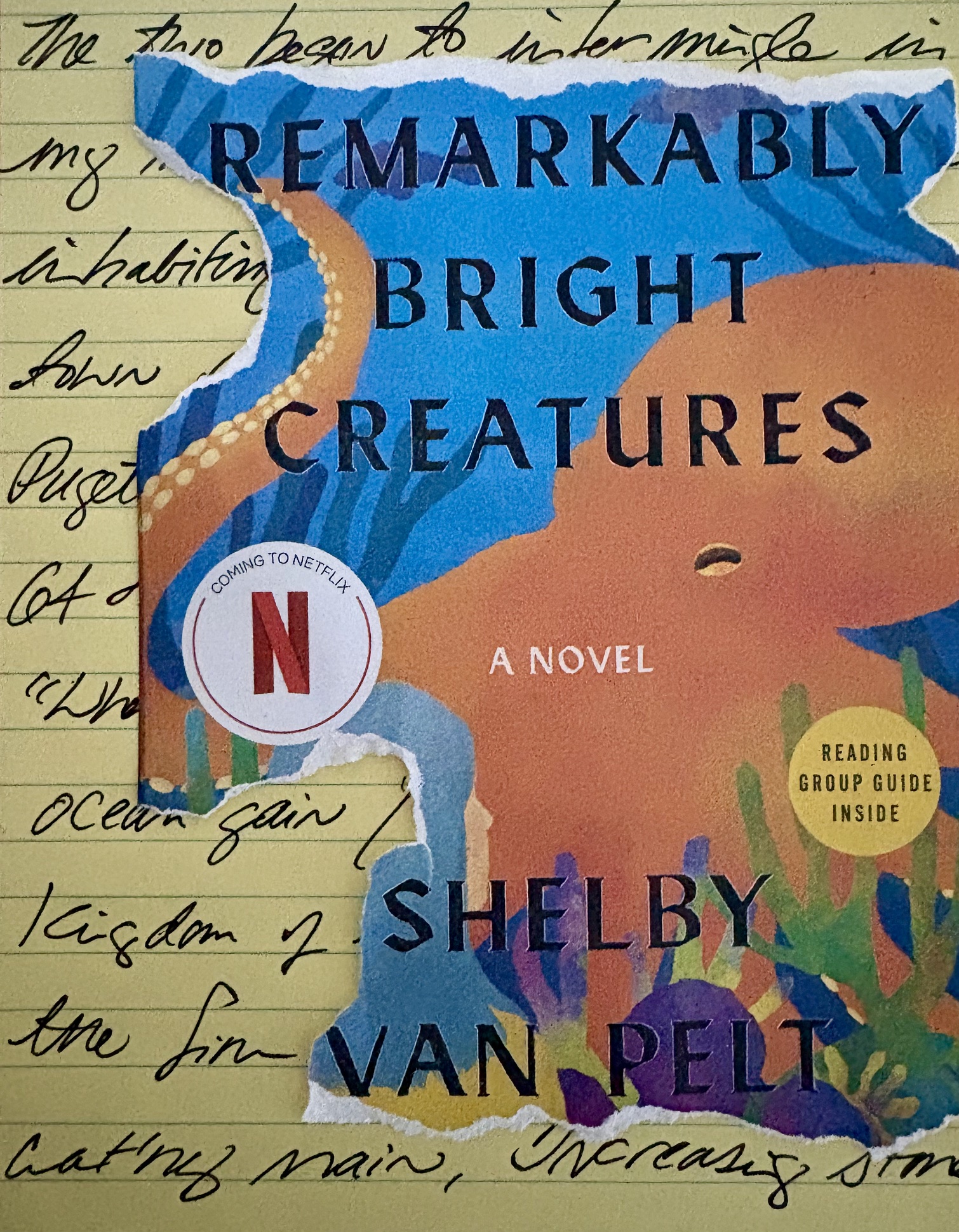
For weeks, my reading and writing have been limited almost exclusively to Shakespeare’s sonnets sixty-four and ninety-eight, along with parts of eighty-four, which I will perform at Creative Greensboro’s second annual Sonnet Fest, August 7-9.
I marvel at my actor friends who can sit backstage and lose themselves in the pages of a novel only minutes before they make another entrance and speak the words they have committed to memory. For me, those words I will speak on stage must remain in the forefront of my mind–a necessity I put at risk if I crowd my brain with the words of a book-length narrative.
The importance of focusing on the lines I will speak on stage grows greater when those words are Shakespeare’s. I am not a quick study, so learning lines is difficult for me and even more so when the diction and syntax are centuries removed from my own.
But after weeks of listening to my lines–in my car and on my morning walks–and writing and rewriting them in my journal, I once again witnessed the effects of the process that I am repeatedly doubtful of trusting.
With the knowledge that the hardest part of my line work was behind me, two days ago, as a birthday gift to myself, I began reading a novel I had avoided because of my focus on the lines.
To stave off a line backslide, I decided to return to my lines whenever I completed fifty pages of Shelby Van Pelt‘s Incredibly Bright Creatures, which found me toggling between late sixteenth-century England and early twenty-first-century Pacific Northwest.
The two began to intermingle in my mind. As I found myself inhabiting the small (fictional) town of Sowell Bay on the Puget Sound, the words of Sonnet 64 turned over in my head: “When I have seen the hungry ocean gain / Advantage on the kingdom of the shore, / And the firm soil win of the wat’ry main, Increasing store with loss and loss with store;” (lines 5-8).
For anyone who hasn’t read Van Pelt’s novel, I don’t want to spoil it, so I won’t offer any of the particulars I am tempted to detail. I will simply say this: If anyone had told me that I would be captivated by a narrator who is a giant Pacific octopus, I would have been incredulous. Then again, whenever I am faced with lines of iambic pentameter that are centuries removed from my own speech, I am similarly incredulous, convinced that I cannot learn them. And then slowly, I do, as I give them the attention they require.
Shakespeare would appreciate Marcellus, the octopus, and his human friend, Tova, both haunted by the same loss that pervades Sonnet 64. In his last brief chapter of narration, Marcellus reflects that “not a day passed when I did not ruminate on my own death” (349). I will stop there (to reveal no more) and turn to the bard’s words the octopus echoes. Meditating on the rise and fall of the tide, the poet notes that such “interchange of state” (9) has taught him “thus to ruminate, / That Time will come and take my love away” (11-12).
With the words he pens, Shakespeare strives to make sense of that loss. When Cameron, another of Van Pelt’s characters, asks Tova how she recovered from her own grief, she says, “You don’t recover. Not all the way. But you do move on. You have to” (346). Tova, too–a lover of language, like her non-speaking friend, Marcellus–is sustained in part what is written, spoken, and in one instance, etched: words.
Works Cited
Shakespeare, William. Sonnet 64. Poetry Foundation, https://www.poetryfoundation.org/poems/ 45096/sonnet-64-when-i-have-seen-by-times-fell-hand-defacd.
Van Pelt, Shelby. Remarkably Bright Creatures. 2022. Ecco, 2025.

